 EN
EN

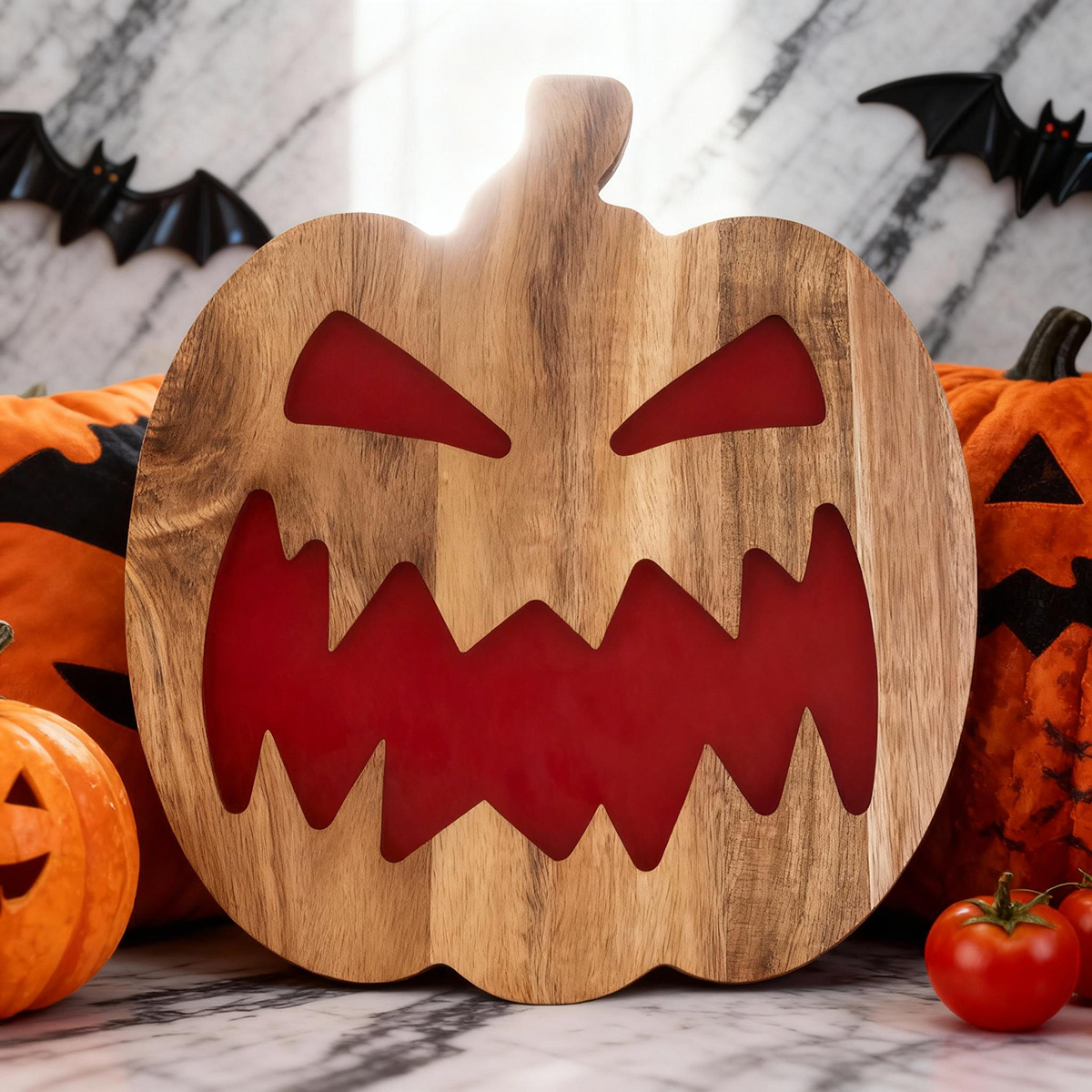
הגדרת היעדים שלכם ללוח חלבי מותאם אישית: מספר אורחים, סוג אירוע ומשך הזמן
התחילו בקביעת מספר האורחים, שכן זה משפיע ישירות על תכנון הכמויות וגודל הלוח. עבור קבוצות קטנות של 4–6 אנשים, לוח בגודל 12" × 7.5" יספיק עם 2 גבינות, 1 מבושל אחד ו-3 תוספות. עבור מסיבות גדולות יותר של 8–10 אנשים נדרשים 1–1.5 ק”ג של מבושלים וגבינות – בהתאם לגודל – ומומלץ להגיש על משטח בגודל 21" × 11" (Food Network).
שלב הבא – שקולו את רמת הפורמליות של האירוע. לערבוני משחק לא פורמליים מתאימות ערכות נועזות כמו "מאכלי מדיתרניים" עם חומוס וזיתים, בעוד weddings דורשים ערכות אלגנטיות הכוללות פרושוטו איכותי וג'ודה מבושלת. אירועים עסקיים יפיקו תועלת מבחירות מסודרות ונטולות ב mess – לדוגמה גבינות קשיחות, פירות יבשים ואוכל ארוז בנפרד.
לבסוף, קחו בחשבון את משך הזמן. אירועים הקצרים משתי שעות אינם צריכים תחזוקה רבה, אך עבור אירועים ארוכים יותר נדרשת תכנון אסטרטגי:
- הכינו מוצרים חד-פעמיים תוך שעה אחת לפני ההגשה
- החליפו שוב ושוב פריטים עדינים כמו פירות חתוכים כל 90 דקות
- העניקו יציבות לערכה באמצעות אלמנטים עמידים – אגוזים, קרקרים, בשרים מעושנים – כדי לשמור על מראה חזותי טוב וגוון טקסטורות
בסיס זה של הגדרת מטרות מבטיח שהערכה המותאמת אישית שלכם תתאים לצרכים המעשיים תוך מקסימום של הנאה עבור האורחים.
בחרו מרכיבים בצורה אסטרטגית לערכה מותאמת אישית
צלחת חלבונים מותאמת אישית עשויה היטב תלויה באיסוף מכוון של מרכיבים. בחירה מחושבת הופכת רכיבים פשוטים לחוויית אוכל שמתה, המאשרת את האורחים ומשלימה את גודל האירוע והנושא שלו.
בחירת הגבינות: איזון בין סוג החלב, גיל, טקסטורה ומראה לקהל
בעת הכנת לוח גבינות, שווה מאוד לערבב גבינות מסוגים שונים שמכסות טעמים מגוונים. התחלו עם גבינה רכה כמו בריא, הוסיפו גבינה חצי קשה כמו גודה, וסיימו בגבינה קשה ומבושלת, אולי מנצ'גו מתאימה לכך. אל תשכחו גם את מקור החלב – גבינות מחלב פרה, עז וכבשה כל אחת מביאה טעמים ייחודיים משלה. כדי להבטיח שכולם ייהנו מההצעה, שימשו בין המוכרים כמו צ'דר לאפשרויות אמיצות יותר כמו גבינת בלו, שיכולה להפתיע. וזכרו – חשוב גם על kếtשורה! גבינות קרמיות מצוינות לצד גבינות מחוספסות או כאלה שיש להן גבישים קטנים, ויוצרות ניגודים מעניינים שממשיכים למשוך את האורחים.
בשרים והשלמות: אפשרויות מאובנות, מעושנות ומאומתות עם לוגיקה של שילובי טעמים
בחרו שלושה או ארבעה בשרים מעושנים עם מאפיינים מובחנים — פרושוטו מלוח, צ'וריזו חריף ושריר ברווז מעושן יוצרים שכבות טעמים. שווزوا חתיכות שומניות באופציות רזות כמו פסטרמי הודו. למתנות המשלימות, תאמו את הלוגיקה של השילובים:
- מתוק : ריבה מהרימון מאטמת את החמוציות של החולבים
- حامץ : קרפדות קטנות מקלות על העושר
-
אומאמי : זיתים חמוצים מעצימים את העומק
הכניסו אגוזי מלך מעושנים או דבש גולמי לצורך הפתעות בשטחית.
ירקות, פירות, אגוזים ותבלינים: הוספת צבע, קראנצ'יות ושיווי משקל נקי לשיעור
הוספת צבעים לצלחות באמצעות ירקות עונתיים כמו שיזיפים אדומים בוהקים או ענבי גינה סגולים ממשיכה את המראה החזותי של הערמות. לצורך ניגודיות בטקסטורה, ניתן להוסיף אגוזים כמו פיסטוקים או אגוזי וולן שמספקים את הקראנץ' המבוקש. כשמדובר בהערות מתוקות, אפרסקים מיובשים פועלים פלאים לצד תותים טריים. התיבול הנכון יכול גם לאפס את תאי הטעם – חרדל גריסים עושה זאת בצורה מושלמת לאחר כל לقימה, בעוד משמשת השיזף מצליחה באופן מסויים לחבר בצורה חלקה בין טעמי הגבינה והבשר. סדרו את הכל בשלישיות או חמישיות במקום זוגות – כך זה פשוט נראה טבעי יותר בהצגה.
הרכיבו את לוח החארקוטרייה המותאם אישית עם זרימה חזותית וטקסטורלית מכוונת
האופן שבו אנחנו מסדרים את המזון מהוות את כל ההבדל ביצירת משהו באמת מושך לאכילה. התחל עם משהו קשיח במרכז, אולי גבינה איכותית כמו צ'דאר או גאודה – הן יחזיקו את הצורה ויספקו יציבות לaranżacja בלי להיראות עמוסה מדי. לאחר מכן, חשב על שילוב של kếtסטורות שונות. שים גבינת בריא ליד משהו פריך כמו קרקרים ביתניים או אולי אגוזים קלויים בצופרין. כשאנשים אוכלים נגיסה שמכילה תחושות שונות, זה מגביר את הטעמים וגורם לאכילה להיות מעניינת יותר עבור כולם.
הרמוניה צבעונית מגבירה את המראה החזותי באופן דרמטי. הניחו פירות זاهרים כמו פטליות או תאנים באופן אסטרטגית מול זיתים ירוקים או ארטישוקים מארמים. ניגנו קטעי שוקולד כהה נגד גזרות מנצ'גו בהירות. הסדר מכוון זה יוצר נקודות מרכזיות שמובילות את העין באופן טבעי לאורך ההצגה. זכרו:
- עטוף בשרים מעושנים לצורת רוזטות או קפלים כדי ליצור צורות אורגניות
- הצמדת פריטים תומכים – כמו אגוזים ליד גבינת שמנת כחולה – כדי להדגיש את סינרגיית הטעם
- השארת מרחב ריק כדי למנוע התcrowding ושהעיצוב ישמר על אופיו האלגנטי
לוח חטיפים מותאם אישית מאולחן היטב משקל בין אסתטיקה לפונקציונליות.ゲ스트 נוטים לנוע באופן אינטואיטיבי מהמלוחים למתוקים, מהצ'ביריים לחלקים, ללא צורך בהנחייה. זרימה מכוונת זו הופכת את הצריכה המקרית למסע גסטרונומי בלתי נשכח, שבו כל אלמנט ממלא תפקיד גם חזותי וגם חושי.
התאמות עונתיות וथמיתיות ללוחות חטיפים מותאמים אישית ש valets לחזרה
להפוך לוח חרטום מותאם אישית למשהו מיוחד תלוי במתאמה של התוכן על הלוח למה שמתרחש סביבו. כשהקיץ מגיע, אף אחד לא רוצה מאכלים כבדים על הצלחת שלו. תותים טריים עובדים מצוין, יחד עם פירות אגוזים וחלופות קלות יותר כמו גבינה עז או פטה. שילבו את אלה עם משהו קריר, אולי רוזה יפה אם יין הוא חלק מהתוכנית. כשהסתיו מגיע, הדברים משתנים. תאנים ואגסים מתחילים להופיע בשווקים, אז למה שלא נשים אותם על הלוח? גבינת צ'דר מבוגרת מתאימה לטעמים המתוקים האלה, בנוסף לאגוזים שטופלו בתבלינים ונקניקיות מטושטשות דבש. החורף מביא לילות קרים יותר ותאווה חזקה יותר. זה אומר שצריך להביא טעמים חזקים יותר – לדוגמה, גודא מעושן במקום גבינות עדינות, סלמי מרופק שמוסיף חריפות, ריבת אשכוליות שמביאה חומציות, ואגוזי שקדים מוצפים בשוקולד מריר שמסיימים את הסעודה בצורה נעימה.
כשאירועים מקבלים טוויסט תימטי, אנשים נוטים להשתלב יותר לעומק. לדוגמה, לוח קציר בסתיו לעתים קרובות כולל צלחות עץ לצד מיני חרדל יוקרתיים מחנויות מקומיות. בחגים, אנו רואים לוחות מעודדים עם פריטים אדומים וירוקים כמו פפדאווס וענפי שיזף, ולפעמים אפילו קרקרים בצורת פתיתי שלג. חברות שמבקשות להשאיר רושם החלו ליצור סידורים מתוקנים ממתקים אזוריים שמבליטים את עצמן. המספרים תומכים בכך – רוב האנשים שנשאלו אמרו שהם נהנים באמת לקבל מתנות תימטיות מסוג זה. על ידי שינוי תמונות באופן קבוע, מאנשי תכנון אירועים יכולים להימנע מהתחושה החוזרת של 'אותו דבר' שכל אחד מקבל אחרי שהשתתף בהרבה מדי התרחצויות דומות. האורחים מתחילים להיחשף למה שיבוא בהמשך, במקום פשוט לעבור על התנועות.
שאלות נפוצות
מה הגודל שאליו צריך להיות הלוח שלי למספרים שונים של אורחים?
עבור 4–6 אורחים, לוח בגודל 12" × 7.5" מספיק. עבור 8–10 אורחים, יש לשאוף ללוח בגודל 21" × 11". יש להתאים את הכמויות בהתאם לגודל הקבוצה כדי להשיג שביעות רצון מיטבית.
איך בוחרים גבינה ללוח שארקוטרי?
בחרו מגוון גבינות עם סוגי חלב ומרקמים שונים. שקולו לאזן בין גבינות מוכרות כמו צ'דר לבחירות עזות יותר כמו גבינת بلוא.
אילו תוספות מתאימות היטב לבשרים על לוח שארקוטרי?
שימשו בתבלינים כדי לאזן בין טעמים: ריבה מתוקה מסוכרי, חמוצי קורניקונים, וזיתים חמוצים עשירים באומאמי. אגוזי מלך מעושנים או דובדבן יערו יכולים להוסיף טקסטורות לא צפויות.
איך אפשר להתאים את לוח השארקוטרי לעונות שונות?
בקיץ, בחרו בתות שברירים טריים וגבינות קלות יותר. בסתיו, כללו תאנים ואגסים, ובחורף, בחרו בטasting חזקים יותר כמו גoudה מעושן וקומпот קרנברי.