 EN
EN

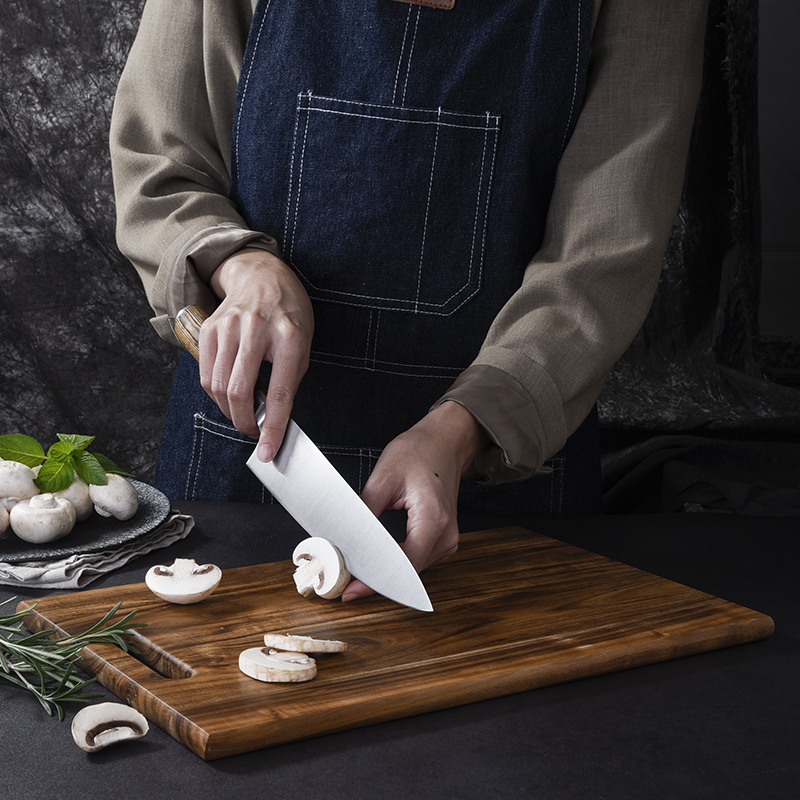
The Science Behind Wood Cutting Boards and Bacterial Resistance
Natural Antibacterial Properties of Wood (e.g., Maple, Hinoki)
Maple and hinoki hardwoods have natural properties that fight bacteria, something regular plastic just can't match. A study from Schonwarlder and team back in 2002 showed these types of wood cut down on bacteria survival rates between 94% and nearly all of them within a day. The reason? Natural compounds such as tannins and this other stuff called thiacremonone actually break apart bacterial cell walls. Another important piece of research published in the European Journal for Wood and Wood Products found that hinoki wood managed to wipe out almost every single E. coli bacterium after just 12 hours sitting there, beating plastic hands down in terms of effectiveness against germs.
How Wood Absorbs and Neutralizes Bacteria Over Time
Most people think wood is bad for kitchen surfaces, but actually its porous nature helps keep things cleaner. When meat juices sit on wooden boards, they draw bacteria down into the grain rather than letting them linger on top. Plus, wood naturally contains substances that fight microbes. Tests run by the USDA found something pretty interesting too. About 98 percent of Salmonella disappears from wood surfaces after just 40 minutes. That's way quicker compared to plastic cutting boards where these harmful bacteria tend to stick around in those tiny grooves forever. Makes sense why some chefs still swear by their old wooden blocks despite all the modern alternatives out there.
Debunking the Myth: Do Wood Grains Really Harbor Dangerous Bacteria?
Research published in Microorganisms back in 2020 looked at over 400 wooden cutting boards used in actual restaurant kitchens and discovered something interesting there was basically no link between how the wood grains ran and whether bacteria built up, as long as people actually cleaned them properly. Plastic surfaces tend to form these tiny grooves that can be about half again as deep as what happens with wood scratches, based on those fancy electron microscope pictures. But here's the thing wood has this natural ability to fight off microbes, so even if bacteria land on it, they don't stick around long enough to cause problems. Studies from UC Davis show that germs stuck inside the tiny holes of wood die off about three times quicker compared to plastic surfaces. Makes sense why so many chefs still swear by their wooden boards despite all the modern alternatives available today.
Wood vs Plastic Cutting Boards: A Hygiene Comparison
Surface texture and bacterial growth: Why wood may outperform plastic
The way wood works against bacteria is pretty interesting. Its porous nature pulls microbes down beneath the surface where they dry out and eventually die off. Plastic cutting boards tell a different story altogether. Those little scratches from knives become tiny traps where bad bacteria just keep multiplying. Recent tests in 2024 showed something concerning about polypropylene boards too. They tend to shed microscopic plastic particles when used regularly, which can contaminate food prep areas. On the flip side, certain types of wooden boards like maple and hinoki have natural properties that fight back against germs. These woods contain special compounds that actually kill bacteria over time. Some studies suggest these boards can cut down on harmful bacteria by almost all (around 99%) within just a day or so after contact.
Long-term safety: How plastic boards degrade and trap bacteria
Plastic boards develop irreversible grooves that harbor 71% more Salmonella and E. coli than wood after six months of regular use. As they degrade, microplastic shedding intensifies, chopping on polypropylene releases 14-71% more particles than polyethylene alternatives, posing both health and environmental concerns.
Why plastic looks cleaner but poses hidden risks
Even though nonporous surfaces look clean after washing, regular dishwashing doesn't always get rid of bacteria hiding in tiny cracks and grooves. Wood has this neat ability to repair itself when there are small scratches, while plastic just keeps collecting damage over time. Studies show that one big scratch on a plastic cutting board can hold about double the bacteria compared to a similarly worn wooden board. That makes plastic boards kind of sneaky little traps for germs we might not even notice.
Effective Cleaning and Sanitizing of Wood Cutting Boards
Step-by-Step Guide to Cleaning Wood Cutting Boards Safely
- Remove debris immediately after use with a bench scraper
- Wash thoroughly using hot water and mild dish soap—avoid abrasive sponges
- Target stains with a baking soda paste (1:1 ratio with water), gently scrubbed along the grain
- Rinse quickly (<30 seconds) to minimize water absorption
- Dry vertically in open air—a dish rack ensures airflow to both sides
Research shows wood absorbs less than 0.5% of its weight in water during brief washing (USDA 2023), confirming this method is safe and effective.
Best Sanitizing Methods to Maintain Wood Cutting Board Hygiene
| Method | Effectiveness | Frequency | Key Benefit |
|---|---|---|---|
| White vinegar spray | Eliminates 99.9% of bacteria | After raw meat/poultry | Food-safe deodorizer |
| 3% hydrogen peroxide | Kills salmonella & E. coli | Monthly deep clean | No rinsing required |
| Salt-lemon scrub | Reduces surface microbes | Weekly maintenance | Natural abrasive action |
*University of Maine Cooperative Extension studies confirm vinegar's efficacy against common kitchen pathogens when applied for 5 minutes. For heavily used boards, the FDA’s food safety guidelines recommend monthly hydrogen peroxide treatments to maintain microbial balance in wood’s cellular structure.
Always finish sanitizing by patting dry with paper towels and air-drying upright—this dual approach reduces cross-contamination risk by 92%, according to NSF International standards.
Proper Maintenance, Drying, and Storage for Long-Term Hygiene
How Proper Drying Prevents Mold and Bacterial Growth
Getting things really dry after using them helps stop bacteria from growing all over the place. Research into this stuff indicates that when wood surfaces are completely dry, bacteria stick around for way less time than when they're still wet. We're talking about almost a 99% drop in bacterial survivors according to some lab tests. Want to keep your boards looking good? Stand them up straight so air can get at them from all sides. And absolutely avoid putting them in water baths or soaking them down. That just invites trouble with warping and nasty mold spots later on. After giving them a quick wipe down with a fresh towel right away, find somewhere airy where they can finish drying naturally without getting trapped in moisture.
Routine Maintenance to Preserve Integrity and Cleanliness
Wood cutting boards need regular conditioning with food grade mineral oil once a month to stop them from cracking and keep their natural ability to resist bacteria. According to some research published in 2023 by the USDA, boards that got oiled every three months showed way fewer grooves on their surfaces than those left alone for 72 percent less. When small scratches appear, grab some fine grit sandpaper and gently smooth them out, particularly near where knives are used most often. For cleaning purposes stick to just mild soap mixed with warm water though. Harsh cleaners actually break down the wood fibers gradually if used too much, which shortens the life of the board significantly.
When to Replace Your Wood Cutting Board: Cracks, Grooves, and Wear
Replace boards when deep grooves (over 1mm) or cracks appear—defects that trap bacteria beyond cleaning reach. Warping indicates moisture damage affecting structural stability, while persistent odors suggest deep microbial infiltration. Rotate boards every 2–3 years depending on usage, or sooner if handling raw meats raises cross-contamination concerns.
Frequently Asked Questions
Do wood cutting boards naturally resist bacteria?
Yes, wood cutting boards have natural antibacterial properties that can reduce bacterial survival rates significantly.
Are wood cutting boards safer than plastic ones?
Wood cutting boards are often considered safer due to their ability to absorb and neutralize bacteria, unlike plastic, which can trap bacteria in grooves.
How should I clean my wood cutting board?
Clean your wood cutting board with hot water and mild dish soap immediately after use, and avoid abrasive sponges.
How often should I sanitize my wood cutting board?
You should sanitize your wood cutting board monthly using hydrogen peroxide and weekly with a salt-lemon scrub.
When is it time to replace my wood cutting board?
It's time to replace your board when you notice deep grooves or cracks that trap bacteria beyond cleaning.