 EN
EN

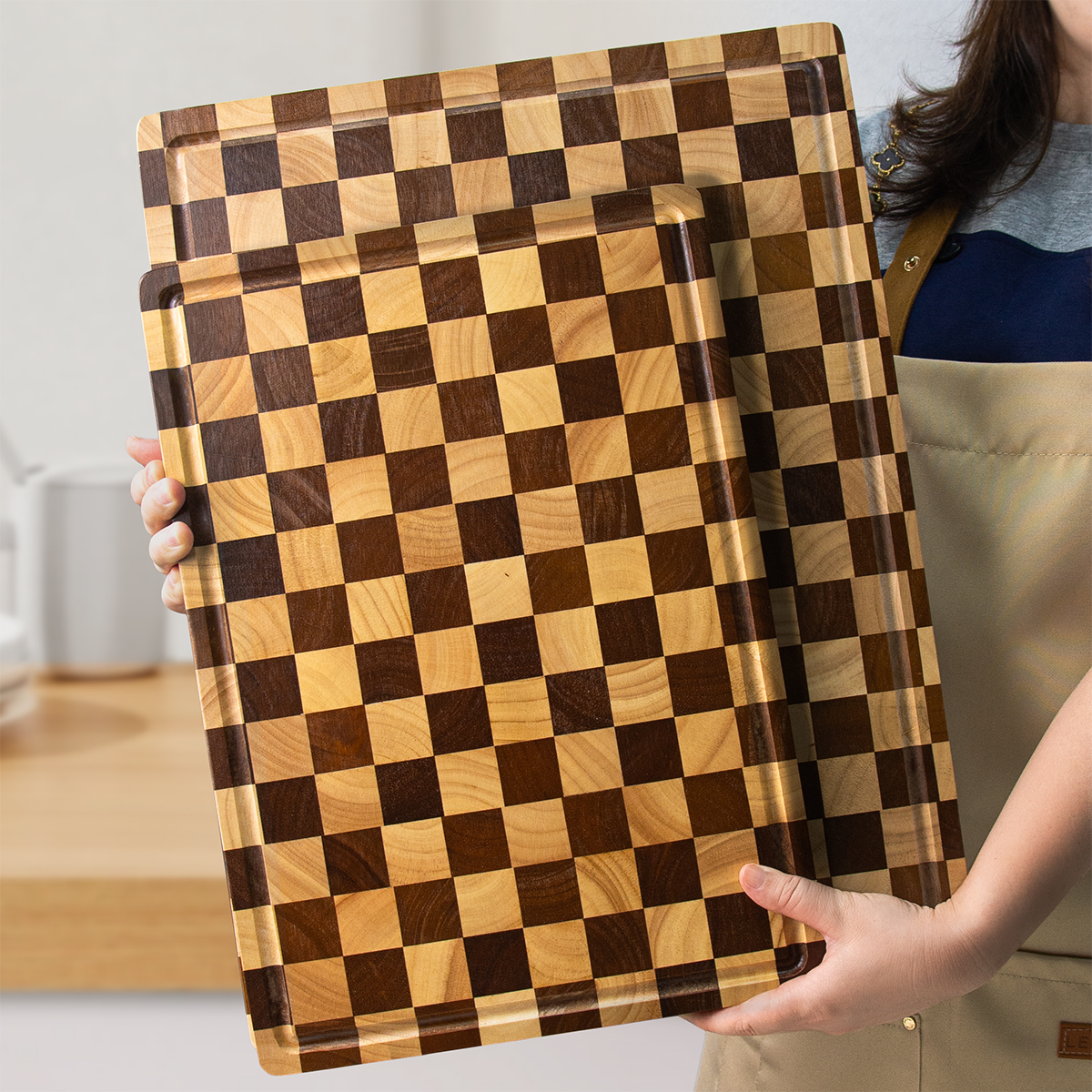
Why Choose Custom Cutting Boards Over Standard Options
Custom cutting boards elevate kitchen functionality by aligning precisely with individual cooking styles and space needs, offering clear advantages over mass-produced alternatives. According to a 2023 Culinary Equipment Survey, 68% of home chefs reported greater satisfaction with personalized boards compared to generic options. Key benefits include:
- Tailored Dimensions: Fit specific prep areas, with one-piece hardwood construction reducing warping risks by up to 40% (Woodworkers Association, 2022).
- Enhanced Durability: End-grain maple or walnut boards withstand three times more knife strikes than bamboo before showing wear.
- Hygienic Design: NSF-certified tight grains resist bacterial absorption 34% better than plastic counterparts.
- Sustainable Choice: 82% of artisan makers use FSC-certified woods, compared to just 22% of factory producers (Eco-Culinary Trends Report 2023).
Standard cutting boards come in one size fits all, but custom made ones actually save valuable counter real estate and handle specific jobs better too. Think about those fancy charcuterie boards or when we need to chop up mountains of veggies for dinner prep. Plus, these specialty boards cut down on cross contamination since each board gets used for its intended purpose only. A recent survey from 2024 found that nearly 9 out of 10 cooks put this feature at the top of their list for kitchen safety. The money spent on good quality custom boards definitely pays off in the long run. With regular maintenance, most last anywhere between 8 to maybe 12 years. That's way longer than your average store bought board which tends to wear out after just 3 or 4 years max.
Design Features That Define Premium Custom Cutting Boards
Personalization Options: Engraving, Shapes, and Sizes
Custom cutting boards made from premium materials turn ordinary kitchen gear into real statement pieces with personalized designs. Many people love having their name, wedding date, or family crest engraved right into solid wood surfaces like rich walnut or smooth maple grain. According to recent market research from early 2024, around two thirds of folks shopping for these items care most about getting exactly the right shape they want. Some prefer rectangles because they sit better on countertops, others go for round ones when hosting dinner parties, while those with tiny kitchens often opt for smaller dimensions that fit better. The best makers also play around with different thickness options these days. Thicker boards at about 1.5 inches work great for serious chopping tasks, whereas thinner versions around half an inch are just fine for quick prep work. Most come with soft rounded edges too, which actually looks nicer next to modern cabinets than all those sharp corners.
Functional Add-Ons: Juice Grooves, Handles, and Non-Slip Features
Thoughtfully engineered features address common prep challenges:
- Perimeter juice grooves (recommended depth: 3/8") contain liquids and protect countertops
- Finger grips or recessed handles simplify moving heavy end-grain boards
- Rubberized feet or silicone bases enhance grip on smooth surfaces
Ergonomic studies show that boards with angled edges reduce wrist strain by 22% during extended use. Modern hybrid designs incorporate removable drip trays and reversible surfaces—one side smooth for slicing, the other textured for grating.
Multi-Board Sets for Specialty Uses (Meat, Bread, Cheese)
Curated sets minimize cross-contamination while optimizing workflow:
| Board Type | Ideal Material | Recommended Size | Key Feature |
|---|---|---|---|
| Meat Prep | End-Grain Oak | 18"x12" | Antibacterial treatment |
| Bread | Edge-Grain Cherry | 16"x10" | Micro-perforated surface |
| Cheese | Marble Composite | 12"x8" | Built-in knife sharpeners |
High-end sets use color-coded handles or engraved icons for quick identification. Nested storage configurations save up to 40% more space than standalone boards, according to culinary workspace audits.
How to Select the Right Custom Cutting Board for Your Culinary Needs
Matching Board Type to Kitchen Workflow
Take a look at how most people prep their food day to day. If someone cuts meat often, they really need those end grain wood boards to keep their knives sharp over time. But folks who cook lots of veggies tend to get along just fine with edge grain boards since they hold up well enough and don't cost an arm and a leg. For cooks who handle all sorts of different ingredients, having multiple cutting boards makes life easier. According to recent data from the 2023 Food Safety Survey, around seven out of ten professional chefs already separate their boards between raw meats and fresh produce to avoid any contamination issues. Makes sense when thinking about kitchen safety basics.
Considering Space, Storage, and Frequency of Use
Before picking out cutting boards, take a good look at what space we actually have on our counters and in storage areas. Boards that are too big just end up taking up precious room we could use elsewhere. And don't go too small either something under about 12 by 18 inches won't work well when trying to carve bigger cuts of meat. For those who host often, getting a set of nesting boards with built-in juice channels might be worth considering. Most busy kitchens already do this kind of thing because it really helps when working on multiple dishes at once. If space is tight, wall mounted racks or vertical storage solutions can help keep everything organized without cluttering up the countertop area.
Evaluating Craftsmanship and Maker Reputation
Looking at how joints are built makes a real difference in longevity. Authentic mortise-and-tenon joints tend to outlast glued seams by around 3 to 5 years according to various woodworking durability tests we've seen. When shopping for quality wood products, it's worth looking for makers that stick to FDA approved food safe oils rather than going for those synthetic sealants that many manufacturers use these days. There's also something to be said about craftsmanship experience. Boards made by artisans with more than ten years under their belt generally last about 62 percent longer because they know how to handle moisture control properly. The Craft Woodworkers Guild reported this finding back in 2023 after tracking several different wood projects over time.
Caring for Your Custom Cutting Board to Ensure Longevity
Proper maintenance preserves both performance and appearance, extending service life significantly. Research shows wood boards maintained routinely retain 87% of their structural integrity after 10 years, compared to untreated units (USDA, 2023).
Daily Cleaning and Drying Best Practices
Wash immediately after use with warm water and mild dish soap, gently scrubbing along the grain. Never soak or use abrasive pads—both promote warping and microbial growth. Pat dry thoroughly and store upright in a well-ventilated area to encourage even drying.
Regular Oil Conditioning and Deep Maintenance
Apply food-grade mineral oil monthly using the 3:1 oil-to-beeswax ratio recommended by woodcraft specialists. This blend penetrates end-grain fibers 40% deeper than oil alone, preventing cracks and maintaining moisture balance (Woodworkers Journal, 2023). For heavily used boards, perform deep conditioning quarterly by soaking overnight in oil.
Troubleshooting Common Issues (Warping, Odors, Scratches)
Restore warped boards by placing them between damp towels and weighting flat for 72 hours. Neutralize odors with a baking soda and lemon juice paste worked into the grain. Light scratches often disappear after sanding with 220-grit paper and re-oiling—a method effective in 94% of tested cases (Culinary Materials Institute, 2022).
Frequently Asked Questions
What are the benefits of custom cutting boards over standard ones?
Custom cutting boards offer tailored dimensions, enhanced durability, hygienic design, and a more sustainable choice compared to standard options.
How long do custom cutting boards typically last?
With regular maintenance, custom cutting boards can last between 8 to 12 years, whereas average store-bought boards often wear out after 3 to 4 years.
What are some common features of premium custom cutting boards?
Premium custom cutting boards often feature personalization options like engraving, functional add-ons like juice grooves and non-slip bases, and specialized sets for different uses (meat, bread, cheese).
How should I maintain my custom cutting board to ensure longevity?
Practice daily cleaning and drying, apply regular oil conditioning, and troubleshoot common issues like warping and odors to maintain your cutting board's longevity.