 EN
EN

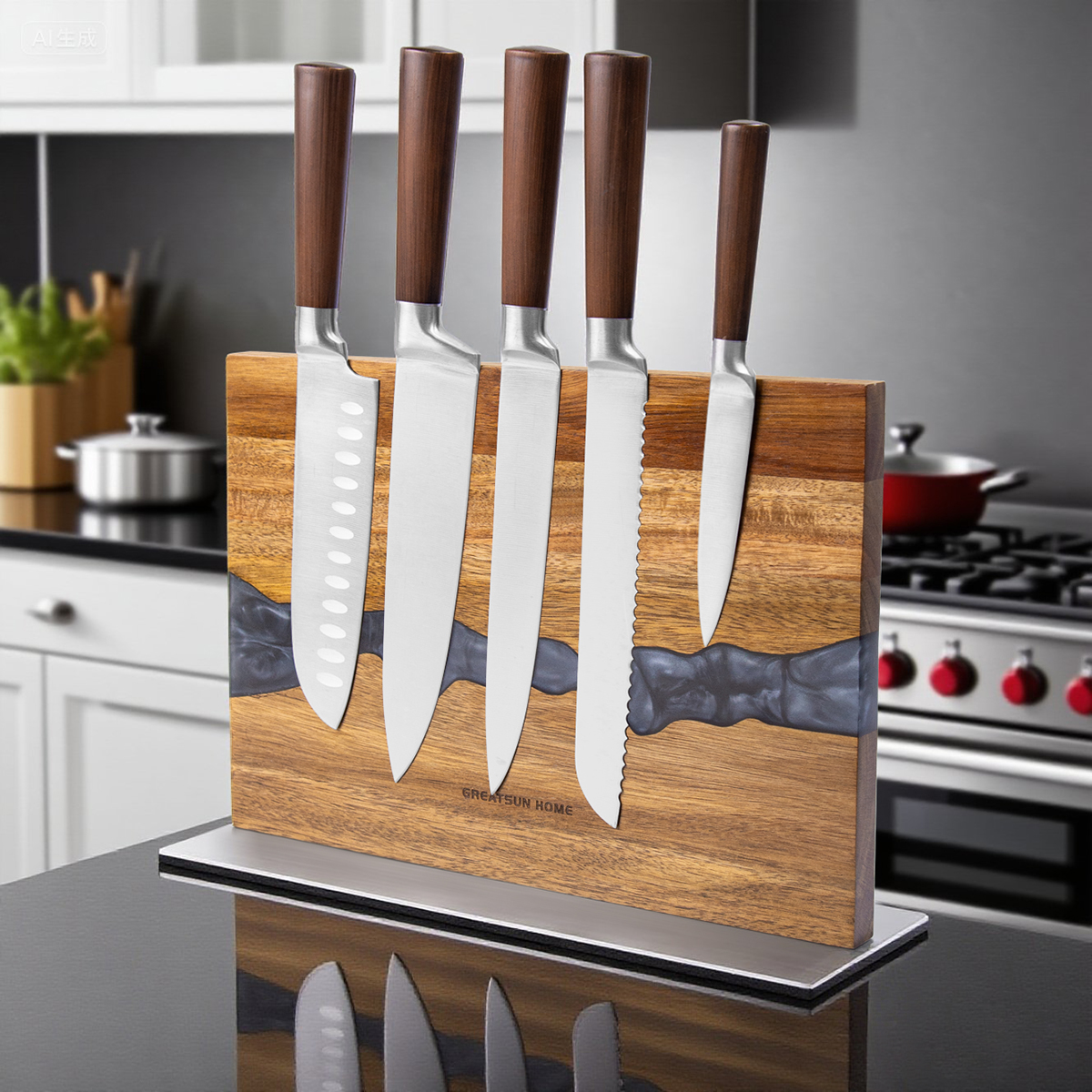
Why a Quality Knife Holder Matters for Safety and Efficiency
The Role of Knife Storage in Kitchen Safety and Organization
The CDC reports that good knife storage can cut down on blade accidents by about 32%, which helps tackle those 1.5 million emergency room trips related to knives every year. When we talk about kitchen safety, it's not just about preventing cuts either. Proper storage actually keeps germs from spreading between different blades since they stay separated and standing up straight. And let's not forget the time savings factor too. Households with organized knife setups reportedly spend around 18 fewer hours each year messing around with food preparation tasks, according to some recent findings from the National Safety Council on kitchen efficiency.
How Proper Knife Holder Selection Enhances Culinary Efficiency
Magnetic knife strips reduce meal prep time by 23% compared to traditional blocks, based on a 2023 Culinary Institute of America workflow analysis. This efficiency stems from three factors:
- Immediate visual identification of each blade
- Secure edge alignment that preserves sharpness
- Ergonomic access positioning that minimizes hand strain
Common Risks Associated with Improper Knife Storage
Loose drawer storage accelerates blade dulling by 40% (BladeTech 2023) and increases contamination risks through contact with other utensils. Overcrowded blocks cause edge damage, contributing to $740k in collective annual costs for premature knife replacements (Ponemon 2023). Most critically, unsecured knives account for 68% of childhood kitchen injuries, according to SafeKids Worldwide.
Types of Knife Holders: Magnetic, Countertop, and In-Drawer Options
Comparing Traditional Knife Blocks vs. Modern Magnetic Knife Strips
People still love traditional knife blocks because they look nice and protect blades, though magnetic strips have taken over in smaller kitchens where every inch counts. According to a recent survey on kitchen organization from last year, around three out of four respondents said they favored magnetic knife holders since these keep counters clear yet let cooks grab what they need quickly. The best ones now come with strong neodymium magnets inside that can hold even large chef's knives measuring about 10 inches or so without messing up the sharpness. This is actually pretty impressive compared to older versions which often left knives dull after just a few weeks hanging there.
In-Drawer Knife Organizers for Maximizing Kitchen Space
Putting knives in drawers with separate compartments can actually save around 1.2 square feet of valuable countertop real estate according to some studies. Organizational gurus have found that those fancy drawers with angled slots cut down on accidental cuts by nearly two thirds when compared to just tossing blades anywhere in a drawer. For folks who want their kitchen tools organized but still functional, look for drawers with rubber bottoms so everything stays put, plus dividers that can be moved around depending on what size knives are being stored. This helps keep things secure even when opening or closing the drawer quickly.
Wall-Mounted Knife Holders as Space-Saving Solutions
Magnetic strips or rail systems mounted vertically are great for making better use of walls that otherwise go unused, particularly helpful in small kitchens measuring less than 100 square feet. The best ones tested recently can hold onto an 8 inch chef's knife securely even when tilted at around 15 degrees from vertical, which matters quite a bit in regions where earthquakes happen frequently. When putting these up close to areas where people move around a lot, it makes sense to add those soft grip sheaths too so nothing falls off accidentally during daily activities.
Versatility in Storing Different Knife Sizes
While standard blocks typically fit 6-8 knives, modular systems now support everything from 3" paring knives to 14" slicers. Look for:
- Tiered slots in wood blocks for height variance
- Expandable magnetic strips with +2" mounting flexibility
- Drawer inserts with removable sections for custom layouts
Hybrid designs combining magnetized bases with protective bumpers achieved 92% user satisfaction in 2024 durability trials, outperforming single-material options.
Material Choices and Durability: Wood, Plastic, and Metal Compared
Wood, plastic, or metal: Evaluating materials of knife holders
How long a knife holder lasts really comes down to what it's made from. Wood looks great forever, no question about that, but needs constant care to prevent bending and warping issues, which makes wooden ones pretty bad choices for kitchens where humidity is a problem. Plastic options are light on the wallet and easy to carry around, but many start breaking down when left in sunlight or loaded with too many knives at once. Stainless steel stands out because it just doesn't rust and stays strong over time. Some studies indicate that metal knife blocks keep working properly for about 95 percent of their life span even after five years, while plastic versions drop to around 78 percent effectiveness by then. According to the latest findings from the 2024 Material Durability Report, steel can handle much heavier weights without failing, something kitchen owners should consider when they want to store big knives such as cleavers or those Japanese santoku blades that weigh quite a bit.
Hygiene and cleaning of knife holders based on material composition
When it comes to keeping things clean, non porous materials really stand out for storing stuff safely. Plastic containers and metal ones tend to be safe bets since they usually go through dishwashers just fine, which helps get rid of those pesky bacteria hiding in wood's grain patterns. Bamboo has this cool natural resistance against microbes, though folks need to remember to oil it once a week or so to keep water from getting into those vulnerable end sections. Textured plastic should probably stay on the no-go list too because those little scratches actually trap Salmonella bacteria for around four times longer compared to smoother surfaces according to tests done by NSF International.
Long-term wear and tear of magnetic knife strips versus traditional blocks
Magnetic knife strips help prevent the wear and tear on slots that happens so often with wooden blocks, keeping blades sharp since there's no rubbing against anything. But watch out for those cheaper magnets that aren't strong enough (anything below 12 Newtons really isn't good enough). They can let knives move around if there's any shaking going on, which is something folks should think about living in areas where earthquakes happen regularly. The better options are made from tough ABS plastic combined with those super strong neodymium magnets, and these beat out the basic steel alternatives that tend to get all pitted over time. Home cooks who deal with busy kitchens might want to look at hybrid models featuring stainless steel bases plus silicone covers for the blades. These setups cut down on cleaning and upkeep work by about a third when compared to regular wooden blocks according to research published last year in Engineering Materials.
Safety and Accessibility: Design Features That Protect and Serve
Knife Holder Safety Mechanisms to Prevent Accidental Cuts
Today's knife holders come with built-in safety features like non-slip bottoms, slots that cover the blades, and special angles for inserting knives so fingers stay away from sharp parts. A study by the National Kitchen Safety Institute found kitchens equipped with these modern storage solutions had about 41 percent fewer cuts than places where people just stuck their knives anywhere they could find space. The way these holders are designed keeps knives steady when someone reaches for them but still makes it easy enough to grab what's needed without strain on the hands or wrists.
Blade Protection Through Secure Slot Alignment and Magnet Strength
The right spacing between slots in knife blocks keeps blades from knocking against each other, which helps maintain sharp edges over time. When it comes to magnetic knife strips, look for those with NSF certification that can hold at least 15 Newtons of force so knives stay put even during busy kitchen moments. Some newer hybrid systems are getting pretty clever these days, blending vertical slots with horizontal magnets across the board. This setup works great for everything from heavy chef knives down to smaller paring tools without any wobbling or shifting around.
Child-Safe Options in In-Drawer Organizers and Wall-Mounted Units
Child safety has advanced beyond basic latches. Seventy-two percent of parents prioritize magnetic locks requiring simultaneous pressure points, according to the Green Packaging Council (2023). Drawer-mounted systems increasingly feature automatic retractable covers activated by adult hand spans, while wall units use recessed magnets undetectable to young children.
Quick Access vs. Secure Storage: Balancing Convenience and Safety
Commercial kitchens see real advantages when using knife holders with those 45 degree angled slots. They let staff grab what they need in one smooth motion without having to look first. Some studies actually found these setups can save around 8 seconds each time someone grabs a knife during busy periods. Home cooks tend to go for different solutions though. Most folks want their knives stored horizontally behind some kind of cover. A recent survey by NKSA showed that over half of homeowners listed avoiding accidental knocks as their main reason for choosing this style. That makes sense considering family life gets pretty chaotic sometimes. The good news is manufacturers are starting to offer modular systems these days. These let people switch back and forth between easy access configurations and safer locked positions depending on whether they're cooking alone or have kids running around.
Size, Space, and Maintenance: Practical Considerations for Long-Term Use
Storage Capacity and Knife Compatibility in Compact Versus Large Holders
Getting the right balance between storage requirements and actual kitchen space begins by taking stock of what knives are actually owned. Small knife racks with around six to eight slots work well for folks who only need basic cutting tools like regular chef knives and small paring knives. For those with more specialized equipment such as big bread knives or heavy duty cleavers, bigger wooden blocks tend to be better solutions. According to recent data from the Kitchen Efficiency Survey released last year, about three quarters of people surveyed say they gravitate toward modular systems that can handle oddly shaped blades without forcing them into awkward positions.
Size and Space Considerations for Knife Storage in Urban Kitchens
Urban kitchens, averaging 70 sq. ft., benefit most from vertical solutions. Magnetic strips reclaim 12-18 inches of counter space, while slim-profile in-drawer units (~3" height) integrate neatly beneath cutting boards. In galley kitchens, wall-mounted racks above prep zones reduce clutter by 40% compared to traditional countertop blocks.
Mounting Options for Knife Holders: Countertop, Wall, or Drawer Integration
Putting knives in countertop blocks gives quick access to cutting tools, but honestly takes up precious real estate that could otherwise be used for prep work or storage. This becomes a real pain point when dealing with kitchen islands that are less than four feet across. Wall mounted knife racks actually make sense for safety reasons since they keep sharp edges out of reach while also promoting cleaner conditions because air can circulate around the blades instead of getting trapped against them. There's another option too drawer inserts with those rubbery non-slip bottoms that stop knives from sliding around when someone is cooking. The catch here is these inserts need about five inches of vertical space inside cabinets, something that might not exist in older kitchens where cabinetry depth is limited.
Best Practices for Extending the Lifespan of Your Knife Holder
Wood cutting boards should get a good wipe down with mineral oil once a month or so to keep them from drying out and developing cracks. For those stainless steel magnetic knife holders, stick to pH neutral cleaners when giving them a clean otherwise they might start corroding over time. Don't overload these storage solutions either. Putting in just one extra knife beyond what's recommended can actually cause premature wear according to recent studies on kitchen tool longevity. Some folks report seeing damage increase around 35% when going past capacity limits. And don't forget about rotating drawer inserts every three months or so. This helps ensure all blades get equal pressure distribution instead of certain ones bearing the brunt of weight constantly.
FAQ
Why is it important to choose the right knife holder?
Choosing the right knife holder is crucial for ensuring safety and efficiency in the kitchen. A quality holder prevents accidents, reduces contamination risks, preserves blade sharpness, and saves valuable time during food preparation.
What types of knife holders are available?
There are several types of knife holders available, including traditional knife blocks, magnetic strips, in-drawer organizers, and wall-mounted systems. Each type serves specific needs based on kitchen space and knife variety.
How does improper knife storage increase risks?
Improper knife storage can lead to accelerated blade dulling, increased contamination risks, premature knife replacements, and injuries, particularly in households with children.
What materials are best for knife holders?
Stainless steel is highly recommended due to its durability and resistance to rust. Wood provides an aesthetic appeal but requires maintenance, while plastic offers affordability but may degrade faster under certain conditions.
How can knife holders improve kitchen efficiency?
Knife holders enhance efficiency by allowing quick and easy access to knives, preserving blade sharpness, and providing ergonomic positioning, which minimizes hand strain during food preparation.
Table of Contents
- Why a Quality Knife Holder Matters for Safety and Efficiency
- Types of Knife Holders: Magnetic, Countertop, and In-Drawer Options
- Material Choices and Durability: Wood, Plastic, and Metal Compared
- Safety and Accessibility: Design Features That Protect and Serve
- Size, Space, and Maintenance: Practical Considerations for Long-Term Use
- FAQ