 EN
EN

Durability and Longevity: Why Walnut Stands the Test of Time
Understanding the Janka Hardness Scale and Walnut’s Position
The walnut wood scores around 1010 on the Janka hardness scale, which puts it right where most people want their cutting board material to be. Hard enough so those pesky food items don't leave deep gouges in the surface, but not so tough that it starts wearing down expensive knives after just a few uses. A lot of pro chefs actually prefer walnut over other options, and folks like Ina Garten have been spotted using them regularly in their kitchens too. Food & Wine magazine mentioned this trend back in their 2023 roundup of kitchen essentials, though I think many home cooks discovered walnut boards long before that article hit shelves.
How Walnut Compares to Maple in Durability and Knife Compatibility
Maple sits at around 1450 on the Janka hardness scale, which sounds impressive but actually means it wears down knives pretty fast. Walnut is a bit softer than that, so blades tend to stay sharper longer when cutting through it. Tests show walnut cuts down on blade wear somewhere in the neighborhood of 15 percent over months of regular use, yet remains tough enough for most kitchen tasks. The wood's natural density works wonders for both the knife edge and the cutting board itself. For anyone serious about maintaining their knives, walnut boards represent a better buy in the long run even though they might cost a little more upfront.
Impact of Wood Finish (Oil vs. Wax) on Surface Longevity
According to a recent study published in Food Protection Trends (2023), walnut cutting boards finished with oil actually hold onto their moisture resistance better than those treated with wax by about 40%. When someone applies food grade mineral oil regularly, say once each month or so, it creates this tough barrier that stops the wood from drying out and cracking over time. Wax finishes aren't quite as convenient though. They need to be reapplied roughly every two or three weeks, and even more frequently when humidity levels rise indoors. For anyone looking for something that lasts longer without constant maintenance, oil seems like the smarter choice overall for keeping these wooden surfaces protected against damage.
Aesthetic Appeal and Customization Potential of Walnut Cutting Boards
The Visual Uniqueness of Black Walnut Grain Patterns
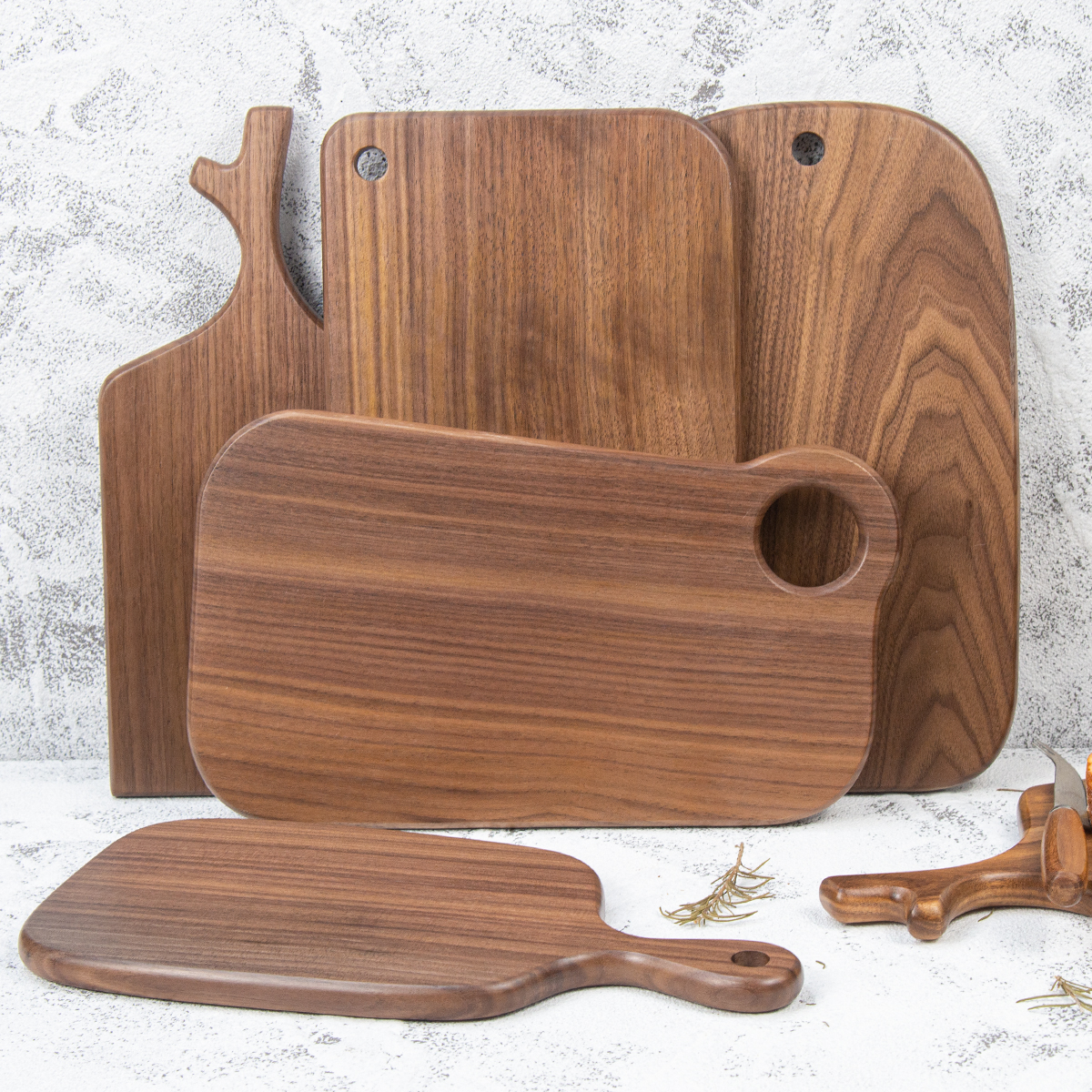
Black walnut has become really popular because of those amazing grain patterns it displays. The wood mixes rich brown colors with hints of purple and all sorts of swirling patterns that look completely natural. What makes it special are these natural variations, sometimes with little knots called burls that stand out even more. Nothing compares to this kind of visual interest when looking at something as plain as maple wood. When placed on display, each black walnut cutting board turns into something unique, almost like art instead of just another kitchen item. According to a recent study done in 2024, around 8 out of 10 chefs actually choose walnut boards specifically for their kitchens where customers can see them. Makes sense really since who doesn't want something beautiful sitting there while they cook?
Wood Texture and Natural Beauty That Enhances Kitchen Design
Walnut has this semi porous texture that strikes just the right chord between being smooth enough to work with and retaining that charming rustic look people love. The warm tones really stand out against stainless steel appliances and those sleek stone countertops we see so much these days in kitchens. What makes walnut special is how it changes over time too. As years pass, the wood picks up this beautiful patina that actually makes it look even better than when first installed. Speaking of trends, open concept spaces are all the rage right now. According to recent data, around two thirds of kitchen renovations from last year included cutting boards that double as statement pieces rather than just functional items hidden away.
Personalization Options: From Engraving to Serving as Decorative Pieces
Woodworkers love working with walnut because it carves so well, which is why we see so many custom laser engravings on cutting boards these days. Think monogrammed initials, fancy geometric designs, even old family crests getting revived on what would otherwise be just another kitchen tool. And when they're not busy handling knives and veggies, these boards double up nicely as serving trays for cheese boards or simply sit pretty on the dinner table. The latest kitchen gadget surveys from early 2024 show something interesting happening in the market too. Almost six out of ten homeowners now prefer their kitchen stuff to look good while still doing the job properly. Walnut seems to be winning this particular battle against other woods in the multi-use category right now.
Knife-Friendly and Antimicrobial: The Health and Safety Advantages
Balancing Softness and Density: How Walnut Protects Knife Edges
The wood structure of walnut sits somewhere between maple and bamboo in terms of density. While not as hard as maple, it packs more substance than bamboo does, making it great for keeping knives sharp during regular use. Plastic cutting boards and those made from composite materials tend to wear down blades pretty fast, but walnut has just enough give in it so that small cuts from knives actually heal themselves after some time passes. The board basically repairs itself between uses, so knife edges stay sharper longer and the board lasts much better without developing deep grooves where food gets stuck. Most home cooks will find they don't need to sharpen their knives as often when working on a walnut board compared to cheaper alternatives.
Scientific Evidence of Antimicrobial Properties in Walnut Surfaces
Studies show that walnuts naturally resist microbes growing on them because they contain tannins and have a tight grain pattern that doesn't hold much moisture. According to a recent USDA study from 2023, properly cared for wood cutting boards actually stop bacteria from spreading just as good as plastic ones do. When scientists tested this in labs, walnut surfaces cut down E. Coli levels by almost all (about 98%) after only three hours sitting there. That's better than what happens on regular old plastic boards that haven't been treated at all. So folks who worry about keeping their kitchen safe might want to think twice before reaching for another plastic board next time.
Food Safety: Suitability for Meat, Produce, and Hygiene Maintenance
Walnut cutting boards work great for most foods, but the FDA still recommends keeping one specifically for raw meat and another for fruits and veggies. If kept well oiled, the surface doesn't absorb much juice from meats, and those tiny cuts from knives don't become breeding grounds for germs because the wood seals itself over time. To clean it, just run warm water mixed with dish soap over the board - no need for strong chemicals like bleach that plastic boards typically require. Regular applications of mineral oil every few months keep things sanitary while making sure the board stays eco friendly too. And here's something else people love about walnut boards: they can be sanded down when worn out instead of being thrown away, which means these boards can last generations with proper care.
Versatility and Functionality in Modern Kitchen Use
From Chopping Block to Charcuterie Board: Seamless Transition
Walnut cutting boards work just as well for slicing veggies as they do for laying out cheese and crackers on the counter. The wood is tough enough to stand up to regular knife work but still keeps that nice smooth look that makes it great for showing off food arrangements. Plastic and bamboo boards tend to get those annoying deep cuts over time, which means they can't really be used for different tasks without risking cross contamination. But walnut doesn't score as easily, so after giving it a good wash, it's ready for whatever comes next. Plus, since walnut has those natural bacteria fighting qualities, most people find they don't need half as many specialty boards sitting around the kitchen anymore. Just one good walnut board does the trick for most folks.
Trending Use as a Serving Centerpiece for Entertaining
Modern kitchens are all about getting more out of fewer tools these days. According to recent research from the Hospitality Design Institute back in 2023, around two thirds of people hosting events actually look for stuff that does double duty in their entertaining areas. Take walnut for instance it really stands out when placed next to ceramic dishes or shiny metal utensils. That's why so many folks choose it as a foundation for arranging cheeses or setting out fancy desserts. The wood feels solid under hand when serving guests, which is great for keeping things steady. Plus, those surfaces treated with oil clean up fast between courses, making the whole dinner party experience much smoother without all the fuss.
Sustainability and Care: Eco-Friendly Benefits and Maintenance Tips
Eco-Friendliness: Sourcing Practices and Biodegradability of Walnut
The majority of walnut found in kitchen products these days comes from forests certified by the Forest Stewardship Council. A recent 2023 report actually puts this number at around 80%, which means most walnut is harvested sustainably. When walnut items reach the end of their useful life, they break down naturally over about 20 to 30 years and actually help improve soil quality. Plastic cutting boards tell a different story though they stick around for hundreds of years without decomposing at all. Walnut has another advantage too its natural ability to fight off microbes makes it less reliant on harsh cleaning chemicals. According to some USDA findings from last year, even raw walnut surfaces can kill nearly all E. coli bacteria within just six hours. That kind of performance really adds to why walnut remains such a good choice for environmentally conscious consumers.
Best Practices for Oiling, Cleaning, and Preventing Cracks
Proper maintenance ensures longevity:
- Oil monthly with food-grade mineral oil to maintain moisture resistance
- Clean promptly after handling raw meat, using 3% hydrogen peroxide for sanitization
-
Store upright to promote airflow and prevent warping
Minor cracks (under 1/16”) often close naturally through seasonal expansion. Deeper splits can be repaired with a walnut dust-epoxy blend. With consistent care, a walnut cutting board typically lasts 15–25 years before needing replacement.
Debunking Myths: Are Wooden Cutting Boards Sanitary?
A 2023 Journal of Food Protection study found properly maintained walnut boards host 55% fewer bacteria than plastic after repeated knife scoring. Capillary action draws microbes into the wood, where dehydration and natural compounds neutralize them. For best results:
- Reserve one board exclusively for raw proteins
- Never place in the dishwasher—rapid drying causes warping and microfractures
- Sand annually with 220-grit paper to renew the surface and restore its self-sealing ability
FAQ
What makes walnut a popular choice for cutting boards?
Walnut is popular for cutting boards because of its balance on the Janka hardness scale, being durable without dulling knives, its unique grain patterns, and its natural antimicrobial properties.
How often should I oil my walnut cutting board?
It is recommended to oil a walnut cutting board monthly with food-grade mineral oil to maintain its moisture resistance and longevity.
Are walnut cutting boards sustainable?
Yes, most walnut used for cutting boards is harvested from FSC-certified forests, ensuring sustainable sourcing. Walnut is also biodegradable, improving soil quality after its useful life.
How does walnut compare to other woods like maple for cutting boards?
Walnut is a bit softer than maple, which helps to keep knives sharper over time and results in less wear on blades, making it a preferred choice for frequent use.
Can walnut cutting boards be used for serving in modern kitchens?
Yes, walnut cutting boards are versatile and can seamlessly transition from a chopping block to a charcuterie board, often serving as aesthetic centerpieces in modern kitchens.
Table of Contents
- Durability and Longevity: Why Walnut Stands the Test of Time
- Aesthetic Appeal and Customization Potential of Walnut Cutting Boards
- Knife-Friendly and Antimicrobial: The Health and Safety Advantages
- Versatility and Functionality in Modern Kitchen Use
- Sustainability and Care: Eco-Friendly Benefits and Maintenance Tips
- FAQ