 EN
EN

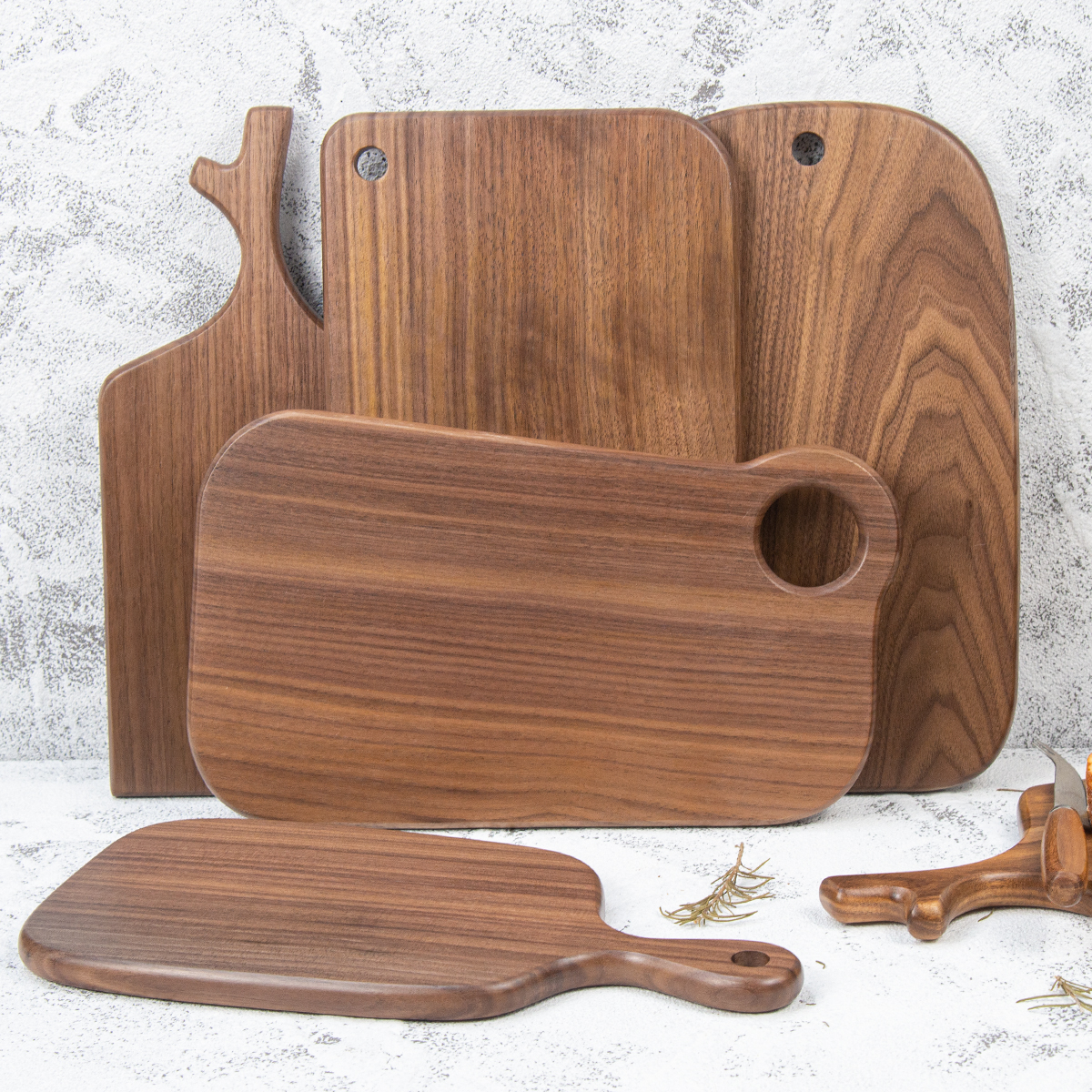
Why Seasoning Wood Cutting Boards Is Non-Negotiable
The Science of Wood Hydration and Surface Sealing
Wood cutting boards are hygroscopic—they constantly absorb and release moisture from their environment. This causes microscopic wood fibers to swell and contract, creating stress points that weaken structural integrity over time. Seasoning fills these porous structures with food-grade oils, forming a hydrophobic barrier that prevents water intrusion while allowing the board to “breathe” naturally during humidity fluctuations. When oil polymerizes within the wood cells, it creates a flexible, breathable seal that maintains optimal moisture content (8–12%), preventing cracking, warping, and surface degradation.
Risks of Skipping Initial Seasoning: Cracking, Warping, and Bacterial Harbor
Neglecting to season a new wood cutting board invites three critical failures:
- Structural damage: Rapid, uneven moisture loss causes wood fibers to shrink unpredictably—leading to deep cracks and warping that compromise stability and safety.
- Bacterial colonization: Unsealed surfaces absorb juices from raw meats and produce, creating ideal breeding grounds for pathogens like Salmonella and E. coli within the wood’s capillaries.
- Reduced lifespan: Unseasoned boards require replacement up to three times faster than properly maintained ones, according to durability studies cited in the Wood Science Journal (2023).
Crevices in dried, unsealed wood harbor up to 300% more bacteria than sealed surfaces—transforming cutting boards into persistent contamination risks. Regular seasoning eliminates this threat by sealing microscopic grooves where pathogens proliferate.
Step-by-Step Seasoning Process for New Wood Cutting Boards
Pre-Oiling Prep: Cleaning, Sanding (If Needed), and Thorough Drying
Begin by washing your board with mild soap and warm water to remove manufacturing residues. Rinse thoroughly under running water while scrubbing gently with a soft brush to clear debris from the grain. For rough patches or splinters, lightly sand with 220-grit sandpaper—always following the natural grain direction. Then air-dry vertically in a well-ventilated area for at least 24 hours. Confirm dryness with a moisture meter reading below 12% before proceeding; residual moisture inhibits oil absorption and encourages bacterial growth.
First Application: Saturating with Food-Grade Mineral Oil
Pour approximately ¼ cup of food-grade mineral oil per square foot onto the board’s surface. Using lint-free cloths, spread the oil evenly along the grain to drive it deep into the wood fibers—paying special attention to edges and corners, where cracking most commonly begins. Reapply oil whenever dry spots appear, maintaining saturation for 4–6 hours. After 24 hours, wipe away all excess oil. Proper saturation forms a durable moisture barrier that reduces warping risk by 73% compared to untreated boards (Wood Science Journal, 2023).
Finishing Layer: Beeswax-Mineral Oil Blend for Durability and Sheen
For long-term protection and enhanced water resistance, apply a finishing blend of four parts food-grade mineral oil to one part melted beeswax. Warm the mixture slightly (do not boil), then apply in thin, circular motions using cheesecloth—covering all surfaces, including the underside and edges. The beeswax forms microscopic plugs in wood pores, while the oil preserves flexibility. This dual-action layer repels liquids three times longer than oil alone (Food Safety Research, 2023). Cure for 48 hours at room temperature, then buff vigorously with a clean cloth to reveal a smooth, water-beading sheen.
Selecting the Best Oil for Your Wood Cutting Boards
The oil you choose directly impacts both longevity and food safety. Common kitchen oils—like olive, canola, or vegetable oil—oxidize and turn rancid within weeks, creating sticky residues that attract bacteria and degrade wood. In contrast, food-grade mineral oil is non-toxic, odorless, and shelf-stable. It penetrates deeply without spoiling, forming a protective barrier that blocks moisture absorption—the primary entry point for 72% of bacterial contamination in unsealed boards (Food Safety Research, 2023). For optimal results, combine mineral oil with beeswax to enhance durability and water resistance. Avoid walnut or other nut-based oils unless verified allergen-free and cold-pressed, as oxidation risks remain high even in “natural” alternatives.
Ongoing Care: When and How to Re-Season Wood Cutting Boards
Monthly Maintenance Routines and Early Warning Signs of Dryness
Consistent re-seasoning preserves structural integrity and hygiene. Monthly conditioning with food-grade mineral oil replenishes lost moisture and sustains the protective barrier. Watch for these early warning signs that signal immediate re-seasoning is needed:
- Surface dullness, especially loss of natural luster
- Visible lightening of wood grain (a sign of dehydration)
- Water absorption within 10 seconds of droplet contact
Apply oil generously during low-humidity months or in heated indoor environments, when boards dehydrate fastest. Always ensure the board is completely dry—both on the surface and internally—before applying oil; damp wood prevents deep penetration and invites microbial growth. Boards used daily may benefit from bi-weekly treatment if dryness signs emerge early.
Frequently Asked Questions
Why is it essential to season a wood cutting board before using it?
Seasoning a wood cutting board seals its porous surface, preventing cracking, warping, and bacterial harboring. It extends the board's lifespan and ensures food safety.
How often should I re-season my wood cutting board?
Re-season your board monthly or bi-weekly if you notice dryness signs like dullness, grain lightening, or rapid water absorption.
Can I use olive oil or other kitchen oils for seasoning?
No, cooking oils like olive, canola, or vegetable oil oxidize and turn rancid, which can degrade the wood and attract bacteria. Always use food-grade mineral oil.
What are the signs that a cutting board needs immediate re-seasoning?
Look for surface dullness, lightened wood grain, or water absorption within 10 seconds of droplet contact—these indicate dryness.