 EN
EN

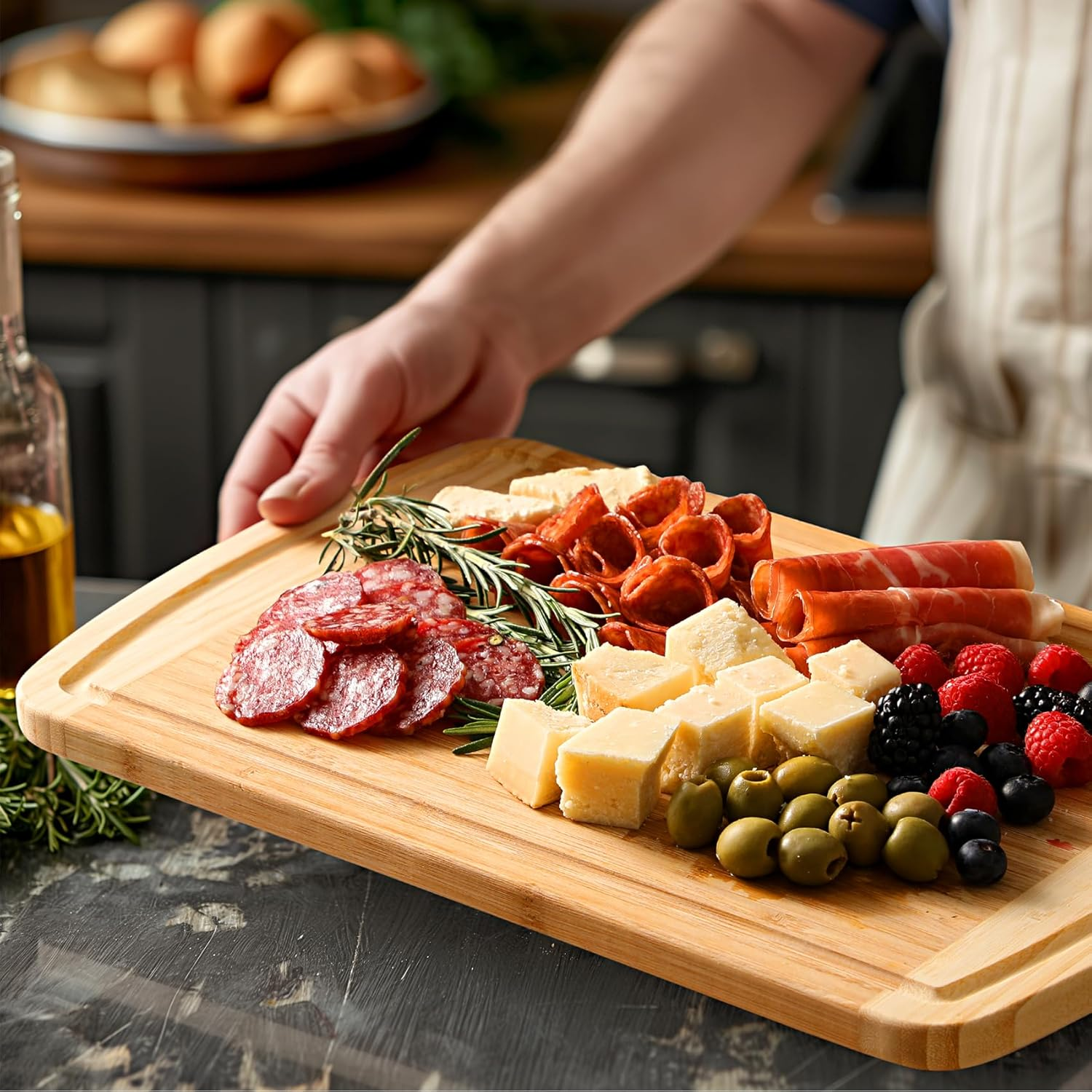
Choosing the Ideal Base: Materials, Sizes, and Shapes for Your Custom Charcuterie Board
The type of wood used for cutting boards really affects how it looks, works, and stays safe for food prep. Maple, walnut, and cherry hardwoods have long been considered top choices because they last longer, fight bacteria naturally, and just look nice on the kitchen counter according to recent research from Food Safety Journal. But there's a catch since these woods absorb liquids easily. Regular hand washing is necessary, plus applying mineral oil once a month helps prevent stains and cracks over time. If all that maintenance sounds too much, there are other options available that need less attention.
- Slate or marble: Non-porous, dishwasher-safe, and ideal for wet or oily components like olives or tapenade
- Bamboo: Renewable and lightweight, but susceptible to warping with repeated moisture exposure
- Acacia: Dense and scratch-resistant, with dramatic grain patterns that add visual depth
Size should align with your gathering:
| Gathering Size | Board Dimensions | Capacity |
|---|---|---|
| Intimate (2–4) | 12" x 7.5" | 2 cheeses, 1 meat, 3 accompaniments |
| Medium (6–8) | 16" x 10" | 4 cheeses, 3 meats, 5+ accompaniments |
| Large (10+) | 21" x 11" | Full thematic spreads with layered textures and garnishes |
Shape guides flow and interaction:
- Rectangular boards support structured, formal arrangements
- Circular designs encourage shared, communal grazing
- Oval or contoured profiles create natural focal points and intuitive serving zones
- Grooved edges help contain dips, oils, or loose items like nuts and olives
Prioritize thickness—boards ≥0.75" resist warping over time. When serving juicy fruits or cured meats with high fat content, juice grooves are both practical and elegant. Boards with subtle surface texture (Janka hardness 900–1500) also provide better ingredient grip than ultra-smooth finishes—enhancing stability without compromising aesthetics.
Curating Balanced Components Using the 3-3-3-3 Rule
Cheese boards that follow the 3-3-3-3 guideline work really well for creating balance. Just grab about three different cheeses, pair them with three types of cured meat, add three starchy elements, and throw in three extra items to round things out. The result? A mix of textures, flavors that complement each other, and a visually appealing spread without everything getting too crowded on the board. According to research published by the Culinary Institute last year, people actually enjoy these thoughtfully arranged boards much more than random collections. Guests tend to rate their experience around 40 percent better when the board follows this kind of intentional arrangement rather than just whatever happens to be lying around.
Selecting Cheeses and Cured Meats by Flavor Profile and Dietary Needs
When building a cheese board, aim for different textures and intensities. Start with something soft like brie or chèvre, then add a semi-hard option such as gouda or havarti. Finish with a hard or aged cheese, maybe manchego or some good quality aged cheddar will work well. For meats, mix things up by including a delicate lean choice like prosciutto alongside something with more marbling like coppa or salami. Throw in a smoked or spiced variety too, chorizo is great or even smoked turkey if available. Don't forget about dietary restrictions either. Keep lactose-free options on hand for those who need them, and consider plant based alternatives for charcuterie when possible. Gluten free crackers or breadsticks should be part of the spread as well. The art of pairing matters. Salty meats really stand up against creamy cheeses. Tangy additions like goat cheese or cornichons help break up the richness and create space for some sweetness somewhere in there.
Pairing Textural Accompaniments: Fruits, Nuts, Crackers, Jams, and Olives
Accompaniments deliver essential sensory contrast. Use texture as your organizing principle:
- Fruits: Combine fresh (grapes, apple slices) and dried (figs, apricots) for juiciness and chew
- Nuts: Offer one crunchy (almonds, walnuts) and one buttery (macadamias, cashews)
- Crackers & breads: Mix neutral water crackers, seeded flatbreads, and certified gluten-free options
- Flavor bridges: Include jam (fig or quince), briny olives, and mustard for brightness and cut
Place each accompaniment near its ideal pairing—pepper jelly beside chèvre, honeycomb next to blue cheese, olives adjacent to salami—to guide intuitive tasting and elevate every bite.
Arranging for Visual Impact: Layout Principles That Elevate Your Custom Charcuterie Board
Arrangement transforms ingredients into an immersive experience—guiding the eye, inviting interaction, and reinforcing intentionality. A well-composed board balances artistry with usability.
Strategic Use of Focal Points, Negative Space, and Clustering
Start by placing one or maybe two eye-catching elements at the center of your display something like a beautiful wheel of blue cheese, some artfully arranged prosciutto roses, or a colorful fan made from seasonal fruits. Leave plenty of open space around these focal points too much clutter can actually make things look cheaper, plus it gets tiring for customers to stare at everything all at once. When restocking is needed, those empty spaces make it easy to spot where things go. For the other products, try grouping them together in threes this simple trick works wonders because our eyes naturally follow patterns of three when moving through displays, making it easier for people to find what they want without getting overwhelmed.
- Soft cheeses + fruit preserves + honey drizzle
- Sliced meats + folded crackers + grainy mustard
- Olives + pickled onions + antipasti skewers
These clusters simplify service while encouraging discovery.
Color, Layering, and Garnishes for Themed or Branded Presentation
Leverage color deliberately: radicchio’s deep purple against golden quince paste, blood orange wheels beside bright green pistachios, or ruby pomegranate arils scattered over creamy burrata. Build dimension with height variation:
- Mini wooden risers for honeycomb or cheese wedges
- Folded charcuterie ribbons for vertical interest
- Small ramekins elevating dips or mustards
Finish with intentional garnishes—rosemary sprigs for rustic elegance, edible flowers for weddings, or custom herb-dust monograms for corporate events. These details personalize the board without masking ingredients or compromising freshness.
Adding Unique Value: Branding, Engraving, and Thematic Customization Options
Personalization transforms a functional board into a meaningful object—whether as a keepsake gift, branded client touchpoint, or signature event element. Laser engraving names, dates, or short quotes directly onto wood creates lasting emotional resonance; consumer research shows 78% prioritize emotionally connected gifts over generic alternatives.
Thematic customization adds narrative depth:
- Seasonal motifs (snowflake etchings for winter, citrus carvings for summer)
- Cultural patterns honoring heritage or regional traditions
- Palette-driven designs aligned with wedding or brand colors
Laser engraving keeps things safe when it comes to food contact surfaces and delivers spot on accuracy too. Hand painted details using those FDA approved food safe colors bring in that handmade feel people love. Market research suggests these little touches can actually boost how valuable customers think something is worth, sometimes as much as 40 percent. Want to really tie everything together? Think about adding some matching items to the collection. Engraved knives for serving, custom cheese labels, even coasters that match perfectly all work together to create that sense of completeness and thoughtful design throughout the whole set.
FAQ Section
What materials are best for a charcuterie board? Maple, walnut, and cherry hardwoods are popular for their durability and aesthetics, but alternatives like slate, marble, bamboo, and acacia can also be considered based on maintenance preferences.
What size should my charcuterie board be? The size depends on the gathering size. Options range from 12" x 7.5" for small gatherings to 21" x 11" for larger groups.
How should I arrange items on my charcuterie board? Use visual impact principles by incorporating focal points, negative space, and clustering items in groups of threes for better visual flow.
What is the 3-3-3-3 rule? This rule suggests using three types of cheese, three types of cured meats, three starchy elements, and three additional items to achieve a balanced mix of flavors and textures.
Table of Contents
- Choosing the Ideal Base: Materials, Sizes, and Shapes for Your Custom Charcuterie Board
- Curating Balanced Components Using the 3-3-3-3 Rule
- Arranging for Visual Impact: Layout Principles That Elevate Your Custom Charcuterie Board
- Adding Unique Value: Branding, Engraving, and Thematic Customization Options
- FAQ Section