 EN
EN

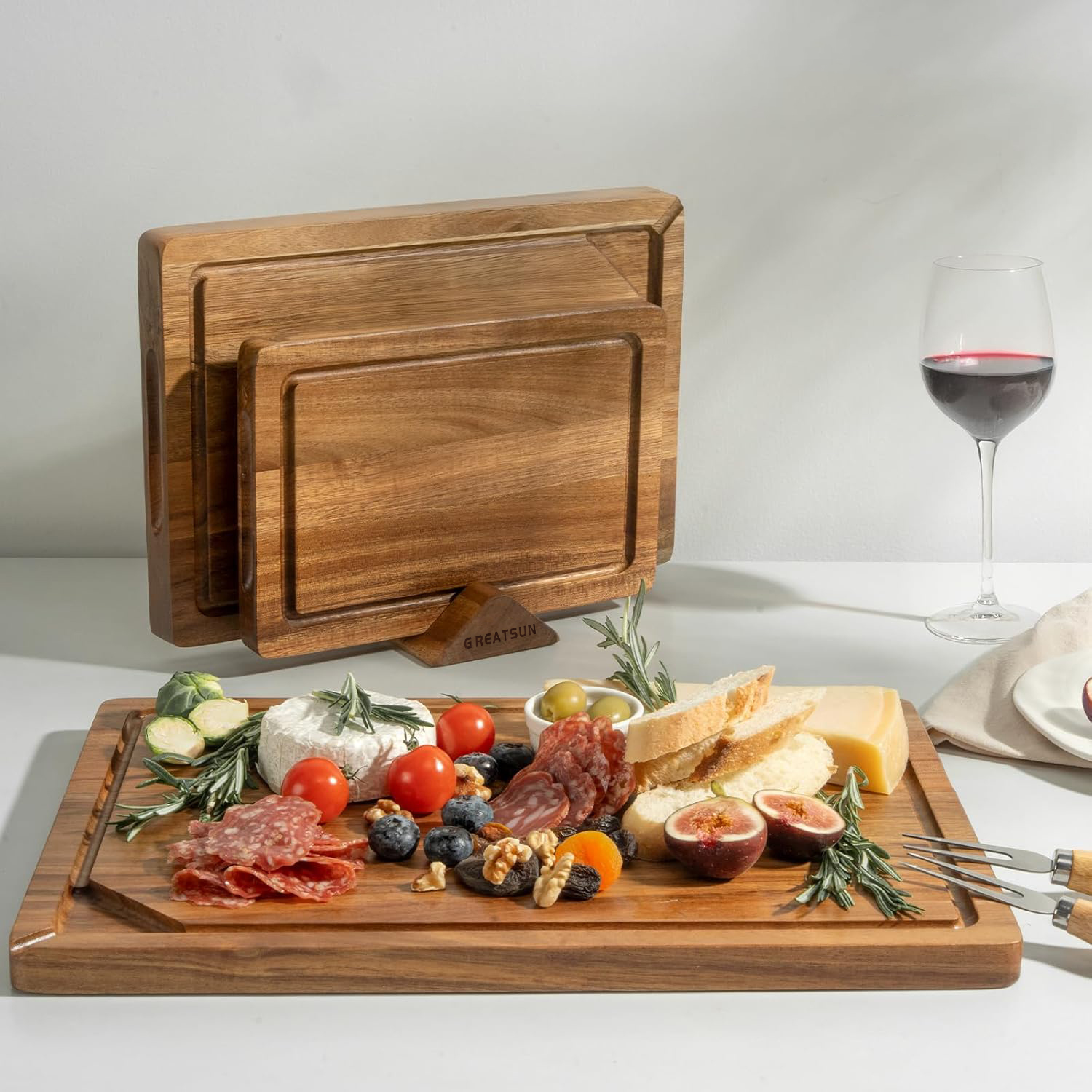
Wood Tray Materials and Finishes for Unified Room Aesthetics
Selecting appropriate materials and finishes for your wood tray bridges kitchen functionality with dining elegance—anchoring both spaces through coordinated wood species and surface treatments that echo existing decor.
Walnut, Maple, and Cherry: Matching Grain and Tone to Kitchen Cabinets and Dining Furniture
The rich chocolate tones of walnut really work well with those dark espresso stained cabinets. Maple wood has this light, consistent grain pattern that looks great alongside Shaker style furniture pieces. Cherry wood tends to develop a nice warm reddish color as it ages, which makes it match up nicely with traditional mahogany dining tables. When considering grain patterns, there are some interesting contrasts too. Tight swirling grains in maple can actually enhance modern minimalist spaces. On the flip side, the strong, pronounced streaks found in walnut help create balance in more rustic room settings where texture matters most.
| Wood Type | Kitchen Match | Dining Match | Visual Effect |
|---|---|---|---|
| Walnut | Dark cabinetry | Leather chairs | Earthy contrast |
| Maple | Whitewashed units | Oak tables | Light, airy flow |
| Cherry | Vintage hutches | Formal sideboards | Warm continuity |
Matte, Satin, and Oiled Finishes: Creating Visual Continuity Across Open-Concept Spaces
Matte surfaces tend to soak up light and hide those pesky fingerprint marks, making them great choices for busy kitchen areas. Satin finishes bounce back about twenty to forty percent of surrounding light, which helps tie together metal elements in the room and creates visual continuity throughout large spaces. Just apply these sheens consistently on items like serving trays, cabinet fronts, and table tops for that seamless look. When it comes to wood surfaces, oiling really brings out the natural grain patterns while also providing decent protection against spills. This matters a lot in areas where cooking happens right next to eating zones. Take for example how oiled oak trays placed near countertops treated with linseed oil create interesting textures that complement each other even though they're not made from identical materials.
Functional Wood Tray Design Elements That Bridge Kitchen and Dining Use Cases
Size, Proportions, and Handle Ergonomics for Seamless Multi-Room Utility
The ideal wood tray balances kitchen counter practicality with dining table presence. Standard lengths of 18"–24" suit most serving needs and cabinet storage. Key proportions include:
- A width-to-length ratio near 1:1.6—visually aligning with tabletops and kitchen islands
- Side heights of 2"–3" to prevent spills while enabling easy access
Handles angled inward at 45°C with 1.5" finger clearance support secure one-handed transport—essential when moving beverages from kitchen to dining area. Curved grips reduce hand strain by 30% during frequent transfers compared to sharp-edged alternatives, per ergonomic research. These details transform a simple tray into a dual-purpose tool—equally effective as a kitchen organizer and dining service piece.
Shape Psychology: How Rectangular, Oval, and Latticed Bases Serve Dual-Space Styling Goals
Tray shapes subtly reinforce spatial unity through pattern recognition and functional resonance:
| Shape | Kitchen Association | Dining Connection | Spatial Effect |
|---|---|---|---|
| Rectangular | Cabinet alignment | Table symmetry | Enhances structured modernity |
| Oval | Countertop flow | Social interaction | Softens transitions |
| Latticed | Ventilation needs | Rustic charm | Adds textural depth |
Square trays help maintain those sleek lines so many modern kitchens crave, plus they match up nicely with most rectangular dining tables. When oval shaped items come into play, they bring some natural flow to the space, connecting where people cook with where they actually sit down for meals. The latticed bottoms on these pieces do double duty too they let steam escape during cooking but also give the table setting a handcrafted look when serving food. What makes this stuff really work is how one simple wooden tray can fit right into different parts of home life, looking good whether stacked next to pots in the kitchen or displayed with plates at dinner time.
Strategic Wood Tray Placement to Anchor Cohesive Kitchen-to-Dining Styling
The 3-Step Transition: From Coffee Bar Organizer to Table Centerpiece
A quality wood tray bridges kitchen utility and dining elegance through intentional placement—acting as both functional tool and design anchor. Follow this seamless transition:
- Kitchen Anchor: Position near appliances as a coffee station organizer—corral mugs, beans, and brewing tools while reinforcing cabinetry tones and minimizing visual clutter.
- Serving Transition: Carry refreshments effortlessly to the dining area. The tray’s balanced proportions and ergonomic handles ensure stability and stylistic continuity during transit.
- Table Centerpiece: Repurpose as a curated focal point—arrange candles, seasonal botanicals, or textured objects atop it to unify both spaces under a shared aesthetic theme.
In open-concept homes, the tray’s consistent material and finish become a subtle, unifying thread—elevating an everyday object into a deliberate design element that connects culinary function to dining ambiance.
FAQ
What types of wood are best for kitchen and dining trays?
Walnut, maple, and cherry are popular choices due to their compatibility with various kitchen cabinets and dining furniture. Each wood type offers unique grain patterns and colors that complement different design styles.
How does finish affect the visual continuity in open-concept spaces?
Finishes like matte, satin, and oiled surfaces contribute to consistency across areas by reflecting light differently and enhancing material textures. They help maintain visual coherence from kitchen to dining settings.
What is the ideal size for a wood serving tray?
The standard length ranges from 18” to 24”. Proportions such as a width-to-length ratio near 1:1.6 and side heights around 2”-3” are recommended for balance and ease of use.
How do tray shapes influence styling in kitchen and dining areas?
Rectangular, oval, and latticed shapes each serve unique spatial and functional roles, reinforcing unity and style through pattern recognition and resonance with other design elements.