 EN
EN

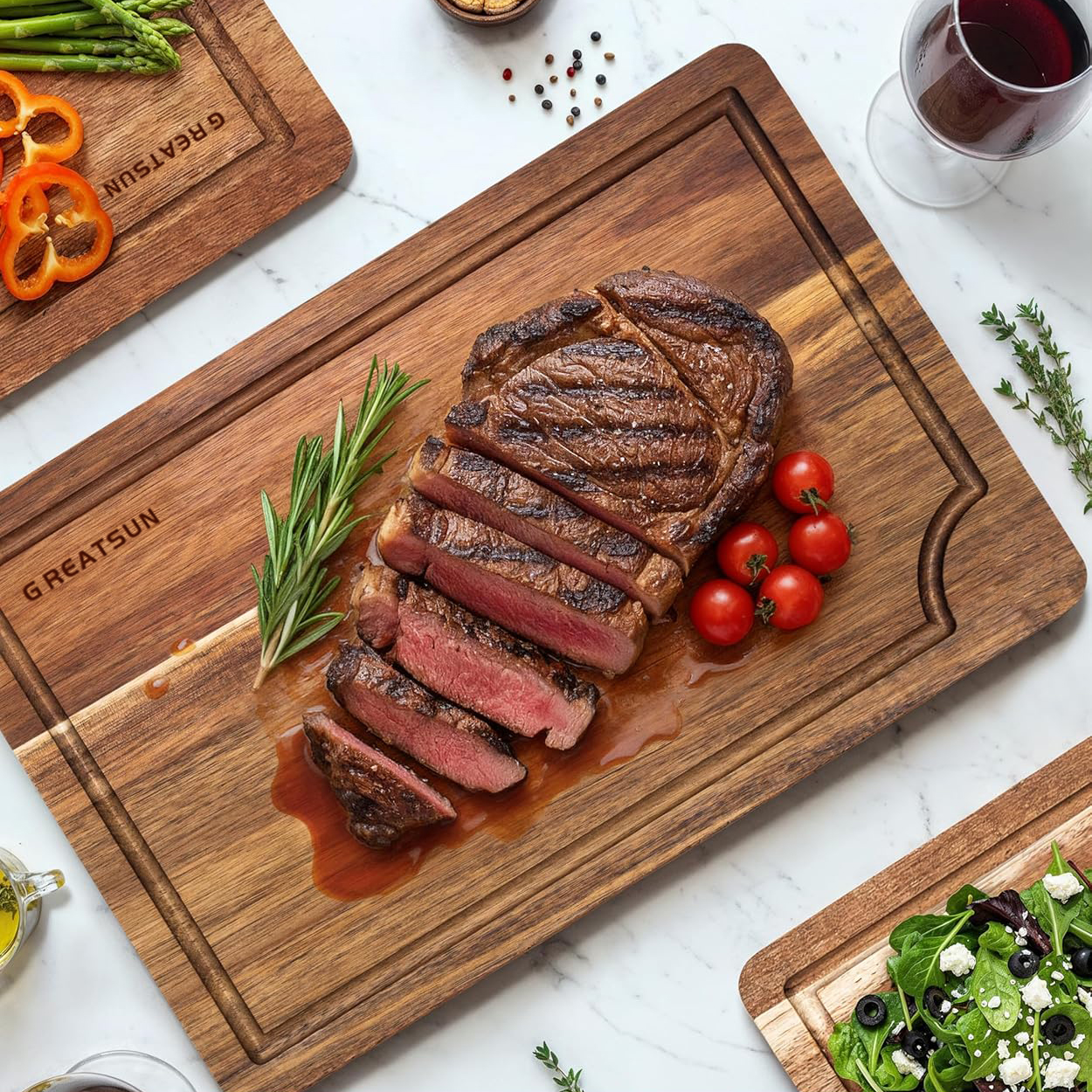
Closed-Grain Woods and Moisture Resistance: Key to Preventing Bacterial Growth
How Maple, Cherry, and Walnut Limit Moisture Absorption and Microbial Harbor
Hardwoods with closed grain patterns including maple, cherry and walnut don't let liquids seep in easily because their cells are packed tightly together with pores smaller than 30 microns across. The tight structure stops moisture from getting into the wood when it comes into contact with things like cheese residue or cured meats. Without enough moisture, dangerous germs like Salmonella and Staph just cant grow properly. Research indicates that these less porous woods soak up about half as much water compared to open grained options, making them much less hospitable for microbes. Walnut has another trick up its sleeve too the fibers inside actually shrink as the wood dries out, closing any tiny cracks on the surface naturally without needing chemicals. Plus, these types of wood are super dense, often measuring over 1,000 on the Janka hardness scale, so they stand up better against knife marks that would otherwise become hiding spots for bacteria.
USDA Data Insights: Porosity, Density, and Real-World Sanitation Performance
Research from USDA labs shows there's a clear link between wood density and how quickly pathogens disappear. When looking at dense woods with tight grain patterns, bacteria levels drop nearly 99% within just a few hours. Take cherry wood for instance, which has around 5.2% porosity. This makes it better than most other woods because it doesn't hold onto moisture so well, something microbes need to survive. Hard maple boards that weigh over 40 pounds per cubic foot tend to keep 30% less bacteria after regular cleaning routines. Restaurant owners have noticed these benefits too. In busy commercial kitchens where food prep happens constantly, switching to low-porosity cutting boards cut down cross contamination problems by about 22% according to independent food safety checks. These numbers make sense when we think about what actually happens in real kitchen environments day after day.
Food-Safe Finishes: Balancing Protection, Penetration, and Rancidity Risk
Beeswax, Mineral Oil, and Plant-Based Waxes Under Microbial and Oxidative Stress Testing
The right finish is essential for maintaining both sanitation and structural integrity in charcuterie boards. Each option presents distinct trade-offs under microbial and oxidative stress:
- Mineral oil penetrates deeply but retains 18% more bacteria than wax-based finishes in accelerated USDA FSIS (2023) lab testing. Its non-drying nature demands frequent reapplication to sustain an effective moisture barrier.
- Beeswax forms a robust surface seal, cutting moisture absorption by 31% compared to oil-only treatments. However, its organic composition exhibits variable oxidative stability under heat or UV exposure, potentially shortening maintenance intervals.
- Plant-based waxes—including carnauba and candelilla—demonstrate the strongest antimicrobial performance, inhibiting Listeria monocytogenes growth by 89% in controlled trials. Their hydrophobicity minimizes rancidity risk but may limit deep penetration into ultra-dense woods like maple.
For optimal long-term protection, a blend of food-grade mineral oil with 20–30% natural wax delivers balanced pore sealing, flexibility, and durability. Monthly conditioning preserves finish integrity and prevents degradation that compromises sanitation—especially critical for charcuterie applications where freshness and safety are inseparable.
Odor, Stain, and Flavor Retention: How Grain Structure Impacts Long-Term Freshness
What kind of wood goes into making a charcuterie board really matters when it comes to how much smell, stain, and leftover taste sticks around after use. Woods with closed grains like maple, cherry, and walnut have those tight little fibers packed together so liquids don't get absorbed too deeply. Wine spills, oil drips, and bits of cheese tend to stay on top instead of sinking all the way in. This makes cleaning easier and helps preserve the board's appearance for longer periods between maintenance sessions.
- Stains remain superficial and are easily removed with light sanding
- Volatile odor-causing compounds lack the porous depth needed to embed permanently
- Flavor transfer between uses is significantly reduced
Open grain woods such as oak and ash have bigger pores throughout them that tend to catch liquids and tiny bits of food. These trapped substances become breeding grounds for microbes and can leave lingering bad tastes behind. Even when someone takes good care of these surfaces by wiping them right away and applying mineral oil from time to time, they still don't seal as well as finer grains do. The real difference comes down to what kind of wood was chosen initially. Going for fine grain hardwood goes beyond looking nice on the countertop. It actually helps prevent different foods from mixing together and keeps flavors from getting messed up during cooking sessions. That means every dish made on it should taste exactly how it was meant to be enjoyed.
FAQ
What are the advantages of using closed-grain woods for charcuterie boards?
Closed-grain woods like maple, cherry, and walnut resist moisture absorption, reducing bacterial growth and maintaining long-term freshness in charcuterie boards.
How do food-safe finishes affect the sanitation of wooden boards?
Food-safe finishes like beeswax or plant-based waxes help seal the wood, reducing moisture absorption, and limiting bacteria retention, thus enhancing sanitation.
Why is regular maintenance necessary for wooden boards?
Regular maintenance, including conditioning with mineral oil and wax, helps maintain the integrity of the wood, preventing degradation and ensuring safe food preparation.
Are open-grain woods suitable for charcuterie boards?
Open-grain woods can absorb more moisture and food particles, making them less suitable due to higher risks of microbial growth and flavor retention.