 EN
EN

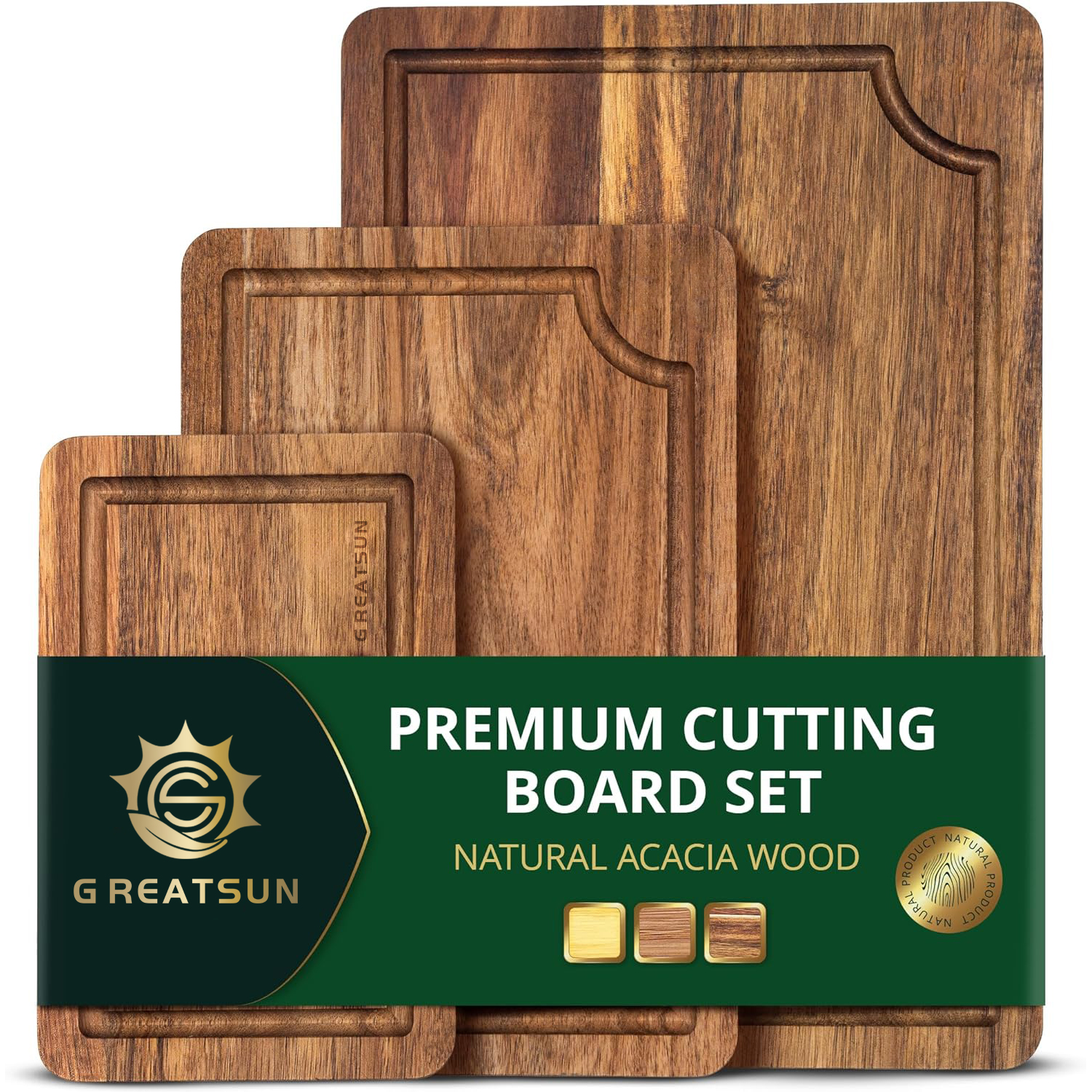
Selecting the Ideal Wood Tray
Matching Shape, Size, and Grain to Room Function and Scale
When choosing a tray, think about how its shape, size, and wood grain will work with what it needs to hold and where it'll sit. Long rectangular trays around 18 inches or so are great for coffee tables where they can support arrangements of books and decorative objects. Smaller oval or round trays tend to fit better on bathroom vanities or those narrow side tables we all have somewhere. The grain matters too. Straight grain patterns really highlight modern, clean looks in contemporary spaces. But if someone wants something with more character, trays with swirling or uneven grains bring an earthy feel that works well in country style rooms or mixed decor settings. Proportion counts for a lot. A good rule of thumb is to leave some breathing room at the edges. Trays that take up most of the table space but still allow for movement around them usually look best. Big trays can make small tables feel crowded, while tiny trays just disappear against large surfaces like entryway consoles.
Wood Species and Finish: Balancing Warmth, Texture, and Decor Cohesion
When picking out wood types, think about how they'll look and stand up to use over time. Walnut has those rich colors and striking grain patterns that really shine in formal rooms where people want something elegant. Oak and bamboo are great alternatives if the vibe is more laid back and modern since they bring in that warm, light feel without being too overpowering. For spots where things get rougher like kitchen countertops or front door frames, go with harder woods that can take a beating. Teak and sheesham work wonders here because they handle water spills, scuff marks from keys, and all sorts of daily punishment without showing damage. The finish matters too when matching with existing decor styles. Matte or satin options tend to blend better with minimalist spaces or Scandi-inspired rooms, whereas shiny finishes pop against traditional woodwork in older homes or transitional designs. Always check for even grain throughout any quality furniture piece. Fewer knots and sapwood patches means better craftsmanship and creates a smoother overall appearance throughout different pieces placed together in a room.
Fundamental Styling Principles for a Wood Tray
Achieving Visual Balance with Height, Texture, and Negative Space
Creating good visual balance really comes down to knowing when to contrast things and when to hold back. Mix different heights around the space something like putting those tall candlesticks next to some short ceramic coasters or maybe a flat metal tray. Texture matters too try placing glossy porcelain bowls alongside rough linen napkins, or cold marble surfaces against warm rattan pieces. And don't forget about leaving empty spaces somewhere between 30 and 40 percent of the area should stay open. These gaps actually help prevent eye strain, guide where people look first, and keep the beautiful wood grain from getting lost in all the clutter. People tend to find spaces with these thoughtful empty areas feel more put together, relaxing somehow, and just plain nicer to look at overall.
Layering Techniques: Anchor, Accent, and Fill for Dimensional Impact
A good way to create those really nice looking vignettes is through what I call the three layer approach. Start with something big and heavy as your base point. Think stacks of art books, maybe a large ceramic bowl sitting there, or even some kind of stone sculpture placed just a little bit away from center so it catches the eye better. Next comes the middle stuff. These are things like candles with nice smells, tiny photo frames, or shiny metal objects that bring in colors we don't usually see around here and tell stories about who lives in the space. Finally add those soft touches on top. Things like eucalyptus branches, some dried lavender bunches, little ceramic beads scattered around, or pieces of folded linen draped over surfaces. All these layers work together to give depth and make everything look more put together than if we just threw random items anywhere. And remember, changing out seasonspecific items throughout the year keeps things interesting while still maintaining that cohesive look everyone wants.
Curating Decor Elements That Elevate Your Wood Tray
Proportion- and Palette-Driven Pairings: Books, Candles, Plants, and Functional Accents
When arranging things on surfaces, start from the back and work forward. Put those tall stuff like stacked books, pillar candles, or long vases at the back first. They create depth and help frame whatever is smaller in front. For mid height stuff, think about adding some texture with succulents in interesting pots, maybe some stone coasters around them, or small bud vases scattered here and there. Colors matter too. If walls are warm tones, get something rusty looking ceramic piece. Sage green plants look great next to gray furniture. Don't forget about practical items that still look good. Brass match strikers, little clocks, handmade soaps all work well without making everything feel too decorative. Keep groups small though — three to five items max. People tend to see these collections as cohesive statements rather than messy piles. And remember to leave plenty of empty space on wooden surfaces. At least a third should stay clear to let the wood itself shine through.
Room-Specific Wood Tray Styling Strategies
Coffee Table Vignettes, Vanity Displays, Entryway Statements, and Kitchen Counter Organization
Wood trays can be styled differently for each room while still keeping things cohesive. For coffee tables, create little scenes with different heights like candles stacked on top of books next to plants. Mix textures too ceramic bowls alongside wooden items and soft linens, leaving some empty spots so it doesn't look cluttered. The tray becomes something special rather than just another shelf. Bathroom vanities work best when kept simple and elegant. Put out perfume bottles neatly arranged with a folded hand towel nearby and maybe one decorative item such as a wooden box carved with intricate designs or a smooth stone dish. Entryways need trays that do two jobs at once they catch stuff people drop but also make a good first impression. Try putting keys and mail together with something heavy like a bronze paperweight or tiny sculpture, plus some fresh flowers or greenery during certain seasons. Kitchens are great places for practical tray use too. Keep cooking essentials grouped near the stove area, or show off citrus fruits or apples close to where coffee gets made. Always match these setups with what already exists in terms of colors and materials throughout the kitchen space. When thinking about how wood trays fit into any space, maintaining similar proportions, color schemes, and allowing enough open space around them helps keep the tray feeling like part of the whole design rather than just something placed there randomly.
FAQ
What is the best shape for a coffee table wood tray?
Long rectangular trays, around 18 inches, are ideal for coffee tables as they can hold arrangements of decorative items effectively.
How do I maintain the wood finish on my tray?
Use a damp cloth to gently wipe the tray and avoid harsh chemicals. Occasionally, apply a wood conditioner or oil to enhance the finish.
Can I use any wood tray in the kitchen?
Select harder wood varieties like teak or sheesham that can withstand water and daily wear when choosing trays for kitchen use.
How can I style small trays effectively?
On small trays, focus on a few key items like a candle, small pot plant, and a decorative object to create a cohesive look without overcrowding.