 EN
EN

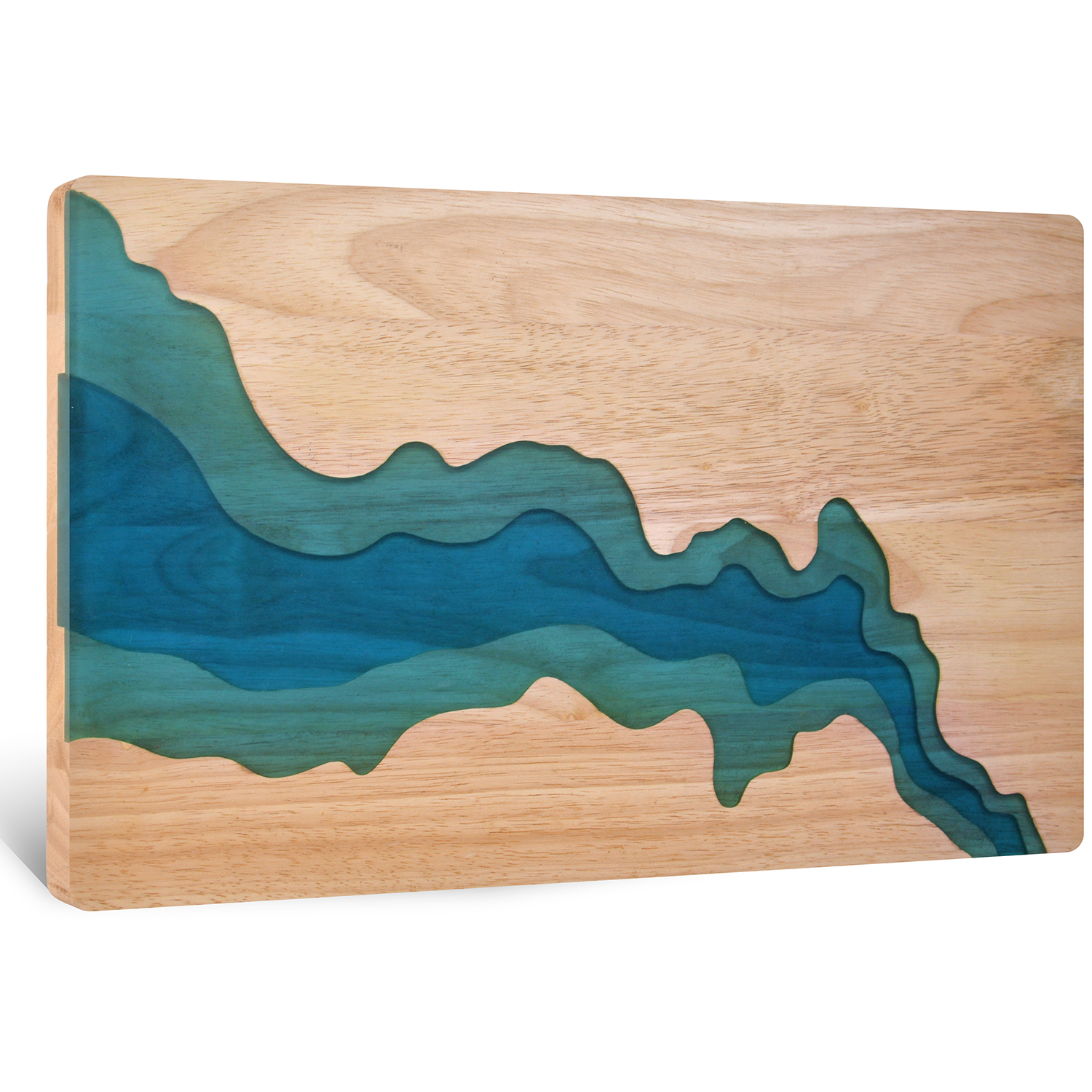
FDA Compliance and the Reality of 'Food-Grade' Resin Cutting Boards
Decoding FDA 21 CFR 175.300: What It Covers—and What It Doesn’t
Regulation 21 CFR 175.300 from the FDA actually governs adhesives and coatings when used as indirect food additives, not the finished cutting boards themselves. The rule allows certain resin components to touch food surfaces only after passing through very strict chemical migration tests conducted in controlled lab environments where everything is properly cured first. What's important here is that these standards don't actually mean a product gets certified as "food grade" for everyday kitchen use. When we look at what happens in real kitchens, things get complicated fast. Think about all those times knives hit the surface repeatedly, or when lemon juice sits on it for hours, or temperature changes cause expansion and contraction. These regular wear and tear factors aren't covered by the regulation at all. And worse still, if the resin hasn't fully cured or starts breaking down over time, there are safety concerns that simply weren't considered when creating this regulatory framework.
Why Most Resin Cutting Boards Lack Valid Food-Contact Certification
The FDA doesn't actually certify finished resin cutting boards as safe for food contact. Some companies do use resins that meet requirements from 21 CFR 175.300, but these standards only cover the raw materials themselves, not what happens after they're mixed, shaped, hardened, or put into actual kitchen use. Most cutting boards never go through proper third party tests like those required by NSF/ANSI 51 standards. These tests check how much stuff might leach out over time, how tough the board remains after years of chopping, and whether bacteria can survive on its surface during normal cooking activities. When manufacturers make 'food grade' claims without this kind of testing behind them, they're really just talking about paper specs rather than real world safety for consumers who actually use these boards daily.
Chemical Safety Risks: Leaching, Off-Gassing, and Curing Integrity
The Critical Curing Window: Why 7–30 Days Isn’t Just a Recommendation
Most resin cutting boards need around 7 to 30 days just sitting around to fully harden through polymerization, which basically means those tiny molecules lock together into something stable and non-reactive. If someone skips this waiting period or rushes it, there are still these leftover chemicals hanging around that can actually leach into whatever gets cut on the board when exposed to heat, oil, or acidic foods. Labs have tested this stuff and found that undercooked resin boards release about twelve times more VOCs right after being used compared to properly cured ones. These include things like formaldehyde and styrene, substances the EPA has flagged as possibly cancer-causing. Natural woods like maple or bamboo don't have this problem because they're already stable from the start. But with resin, we're talking about achieving real chemical stability only once everything settles down at the molecular level.
Evidence of BPA and VOC Migration Under Realistic Use Conditions
Fully cured cutting boards still show signs of chemicals moving out when used regularly in kitchens. When exposed to heat above 140 degrees Fahrenheit, say from hot meat or soup, or when cut with acidic items like lemon juice, the BPA tends to seep out more, maybe around 65 to 80 percent higher than normal. Small cracks made by knives make this problem worse since they create little highways for harmful substances to get into our food something that doesn't happen with boards that remain unscratched. Tests done to simulate what happens after many years of regular use found levels of phthalates reaching 9.3 parts per million, which is actually over what the FDA considers safe for long term contact. These bad chemicals tend to stick to greasy foods particularly well, making a mockery of the cleanliness benefits that plastic board manufacturers promise their products will bring.
Functional Performance vs. Food Safety: The Non-Porous Surface Myth
Resin boards are often promoted as “non-porous” for superior sanitation—but this claim collapses under functional scrutiny. Routine knife use inevitably creates micro-cracks, invisible to the naked eye, that compromise surface integrity and transform smooth resin into a bacterial reservoir.
Micro-Cracks from Knife Use Create Hidden Bacterial Harborage Zones
When knives cut into surfaces, they leave behind tiny cracks and grooves where bad bacteria like Salmonella and E. coli can hide even after regular cleaning routines. Resin surfaces just don't hold up as well as those composite materials found in hospitals and labs, which means germs tend to stick around longer in these damaged spots. Research published back in 2021 by the Journal of Food Protection showed something pretty alarming too. After cleaning, areas of resin with knife marks had three times more bacteria compared to parts of the same surface that remained intact. This becomes a real problem when handling things like raw meat or cutting boards for fresh vegetables that people eat without further cooking.
| Surface Type | Bacterial Retention After Cleaning | Knife Damage Impact |
|---|---|---|
| Intact Resin | Low | N/A |
| Micro-cracked Resin | High | Harbors pathogens |
| Solid Surface | Negligible | Minimal |
Given that most resin boards lack food-contact certification—including durability testing against bacterial infiltration—this vulnerability remains unmitigated by design or validation.
Resin Cutting Board Design Intent: Aesthetic Overlay, Not Food-Contact Surface
Most resin cutting boards start life as decorative items rather than actual kitchen tools meant for food prep. They showcase flowers, colorful pigments, or fancy layered designs instead of focusing on what matters most for food safety. The real issues here are things like being non porous, free from harmful chemicals, and able to withstand regular wear and tear. Industry rules draw a clear line between surfaces that touch food (which need proper safety checks) and purely decorative parts that don't have to meet those same standards. Even when manufacturers claim their resin is sealed, these boards still crack easily after lots of knife cuts. And once those tiny cracks form, they become hiding spots for bacteria and chemicals to get into food. Marketing might call them "food safe" or talk about special seals, but that doesn't change the basic fact that they weren't designed for this kind of heavy duty kitchen work.
FAQ
Are resin cutting boards FDA approved for food contact?
No, the FDA does not certify resin cutting boards for food contact. The FDA regulation 21 CFR 175.300 only covers adhesives and coatings as indirect food additives, not the completed product like cutting boards.
Why do resin cutting boards pose a safety risk in kitchens?
Resin cutting boards can leach harmful chemicals like BPA and VOCs, especially if not fully cured. Knife cuts create micro-cracks that harbor bacteria, compromising food safety.
How long should resin cutting boards cure before use?
It is recommended that resin cutting boards should cure for about 7 to 30 days to ensure complete polymerization and stability, reducing the risk of leaching harmful substances.
Do resin cutting boards have any certifications for food safety?
Most resin cutting boards do not undergo rigorous third-party testing like NSF/ANSI 51 standards that other food-contact surfaces do, making their 'food-grade' claims often unreliable.
What is the primary purpose of resin cutting boards?
Resin cutting boards are primarily designed for decorative purposes, showcasing aesthetic elements rather than being optimized for food safety and durability in kitchen use.