 EN
EN

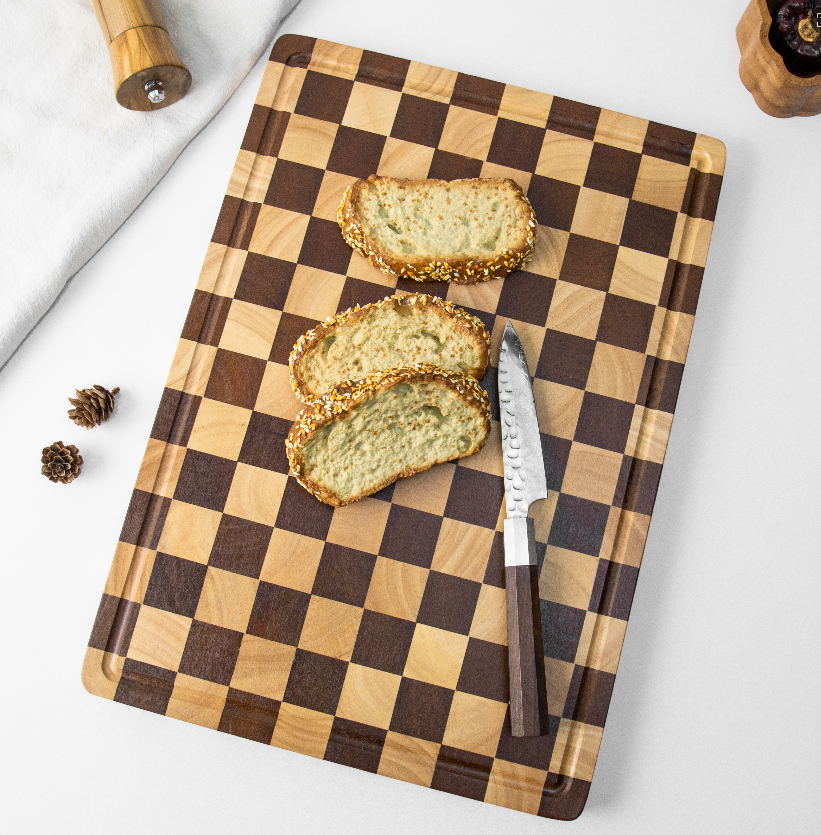
Core Food Prep Applications for a Large Cutting Board
Pizza and Flatbread Assembly: Stretching, Topping, and Transferring on One Continuous Surface
Big cutting boards give chefs that continuous work space they need when making pizza and flatbreads. No more constantly moving the dough around while stretching it out. Toppings get placed just right without everything getting crowded together, and then whole pizzas can slide right onto the oven peeler all in one smooth move. Restaurants report saving about 30 minutes less prep time overall when using these larger surfaces instead of regular sized ones, based on recent kitchen efficiency reports from last year. During busy lunch rushes or dinner peaks, having enough room to stack several pizzas at once really makes a difference in keeping up with customer demand.
Sandwich and Hoagie Production: Enabling Linear, High-Volume Workflow on a Single Large Cutting Board
In busy sandwich shops where they're making hundreds of subs all day, bigger cutting boards make a real difference. Workers can line up ingredients in order across the board - bread first, then meats, veggies, sauces at the end. No need to jump around or stretch too far when everything is right there in front of them. Most places report being able to knock out around 60 sandwiches an hour with this setup, which means the difference between keeping customers happy or watching them leave during lunch rushes. The heavy duty boards stay put even after hours of constant slicing thanks to those non slip bases, though some folks still like to double check by placing a small towel underneath just to be safe.
Bulk Salad and Garnish Prep: Leveraging Size for Multi-Zone Organization of Washed Produce, Herbs, and Dressings
Big cutting boards create separate work areas that really help when prepping large amounts of cold food items. Kitchen staff find it much easier to organize their space with washed greens over here, chopped veggies there, fresh herbs bundled up nearby, and dressings ready to go all on one big surface. This setup cuts down on moving stuff around between different stations, which actually lowers the risk of cross contamination by about half compared to using multiple smaller boards according to research from Food Safety Journal back in 2022. When making those big batches of salads or grain bowls that restaurants love so much these days, having plenty of room means cooks can chop while someone else mixes and another person starts plating without getting in each other's way. Plus, keeping certain delicate ingredients at proper temperatures becomes much simpler with everything laid out together.
Performance Features That Maximize Large Cutting Board Utility
Juice Grooves and Raised Edges: Containing Liquids During Raw Protein or Citrus Prep
The deep juice channels around the edges, usually about a quarter inch deep, catch all that messy runoff when cutting up raw meat or breaking down citrus fruits. These industrial strength grooves can hold around 12 ounces of liquid while someone is prepping food in bulk, which keeps work surfaces cleaner and cuts down on those nasty cross contamination issues. The sides are raised just enough to serve as extra protection against spills when moving cut up ingredients into storage containers. With built in fluid control features, cleaning up after switching between different protein batches becomes much easier throughout the day. Restaurants that process dozens of chicken breasts or fish fillets every hour find this feature particularly valuable during busy service times.
Non-Slip Bases and Structural Weight: Ensuring Stability During Repetitive, Force-Intensive Cuts
When working with an 18 by 24 inch cutting board, good design matters if we want to avoid dangerous sliding while making strong knife movements. The silicone corners create enough grip that feels roughly like 8 pounds per square inch pushing down on the surface, which keeps everything firmly in place when tackling tough jobs like slicing through squash or handling large meat portions. How the weight is spread across the board also plays a big role here. Boards that are about 2 inches thick with end grain construction tend to stay put even after being hit hard, according to those NSF tests most manufacturers mention. Putting these two factors together means no more annoying board movement during intense chopping or fine slicing techniques like julienne or chiffonade. This not only preserves the quality of what's being cut but also makes kitchen accidents much less likely.
Material Selection for Commercial-Grade Large Cutting Boards
HDPE, Rubber, and Fiberwood Compared: Durability, Sanitization Efficiency, and Task-Specific Suitability
Choosing the right material directly impacts safety, workflow efficiency, and equipment longevity. Three materials dominate commercial kitchens: High-Density Polyethylene (HDPE), rubber, and wood-fiber composites (fiberwood). Each offers distinct advantages:
| Material | Durability | Sanitization Efficiency | Ideal Use Cases |
|---|---|---|---|
| HDPE | Resists warping/scratches | Dishwasher-safe; withstands bleach | Raw protein prep, high-moisture tasks |
| Rubber | Self-healing surface; shock-absorbent | Non-porous; tolerates industrial cleaners | Butchery, repetitive chopping |
| Fiberwood | Moderate durability (avoids deep grooves) | Hand-wash only; limited chemical tolerance | Bakery, vegetable prep |
High Density Polyethylene (HDPE) stands out when it comes to lasting power in busy kitchens where equipment gets used all day long. The material has a smooth surface that doesn't absorb anything, so it can handle thousands upon thousands of cleaning sessions without showing signs of wear and tear. When talking about cutting boards specifically, rubber surfaces actually help protect knives from damage. Tests show that blades last around 40 percent longer on rubber compared to harder materials. Both HDPE and rubber products carry NSF certification which means they're safe for machine washing in areas where raw meats are handled. That makes life much easier for kitchen staff dealing with strict hygiene regulations. Fiberwood boards have their advantages too with layers that feel good under knives, but there's a catch. Those same layers create tiny spaces where bacteria might hide if not cleaned thoroughly by hand after every use. Most professional chefs find themselves spending extra time making sure those grooves are spotless.
Task-specific suitability is key:
- Use rubber where slip-resistance matters (e.g., deboning stations)
- Choose HDPE for juice containment during citrus or poultry prep
- Fiberwood suits low-moisture tasks like herb chiffonading where knife-edge preservation is prioritized
A 2023 Cornell Hospitality Study found kitchens using material-matched large cutting boards reduced cross-contamination incidents by 34% and equipment replacement costs by 22%. When selecting, prioritize NSF/ANSI 2 certification and verify thickness (>1.5 cm for HDPE/rubber; >2 cm for fiberwood) to ensure structural integrity under heavy use.
Cross-Contamination Control Through Strategic Use of Large Cutting Board Size
Large cutting boards offer plenty of space to create different zones which helps stop bad germs from spreading around, especially important when dealing with raw meat stuff. Most pros divide their board into sections - maybe one corner just for raw meat, another spot for veggies after washing them, and somewhere else for things that are already cooked or ready to eat. Keeping these areas separate stops all sorts of unwanted mixing between foods that shouldn't touch each other. Many kitchens also use colored tools as a visual reminder system, like red knives for meat cutting and green ones for chopping veggies. This color coding makes it easier to stay organized without constantly stopping what we're doing. We spend less time switching boards mid-prep, so there's fewer chances for cross contamination. Boards made from smooth materials such as HDPE clean up much better overall than smaller ones with lots of cracks and corners where bacteria can hide. Food safety experts say this method cuts down on contamination problems by roughly three quarters compared to those cramped kitchen setups where everything gets mixed together.
FAQ
Why are large cutting boards preferred for pizza and sandwich making?
Large cutting boards provide a continuous surface that allows for easy stretching, topping, and transferring of pizzas and sandwiches, reducing prep time and allowing high-volume workflows.
What are the key materials for commercial-grade cutting boards?
The key materials are High-Density Polyethylene (HDPE), rubber, and fiberwood, each offering distinct benefits related to durability, sanitization efficiency, and task-specific suitability.
How do juice grooves in cutting boards help during food prep?
Juice grooves help contain liquids such as runoff from raw meat or citrus fruits, keeping the work surface clean and reducing cross-contamination risks.
How does using large cutting boards help control cross-contamination?
Large cutting boards allow for the creation of separate zones for different food types, reducing the risk of cross-contamination by keeping raw and cooked foods apart.
Table of Contents
-
Core Food Prep Applications for a Large Cutting Board
- Pizza and Flatbread Assembly: Stretching, Topping, and Transferring on One Continuous Surface
- Sandwich and Hoagie Production: Enabling Linear, High-Volume Workflow on a Single Large Cutting Board
- Bulk Salad and Garnish Prep: Leveraging Size for Multi-Zone Organization of Washed Produce, Herbs, and Dressings
- Performance Features That Maximize Large Cutting Board Utility
- Material Selection for Commercial-Grade Large Cutting Boards
- Cross-Contamination Control Through Strategic Use of Large Cutting Board Size
- FAQ