 EN
EN

Cutting Board Materials: Wood, Plastic, Bamboo, and Beyond
Wooden cutting boards: Natural durability and aesthetic appeal
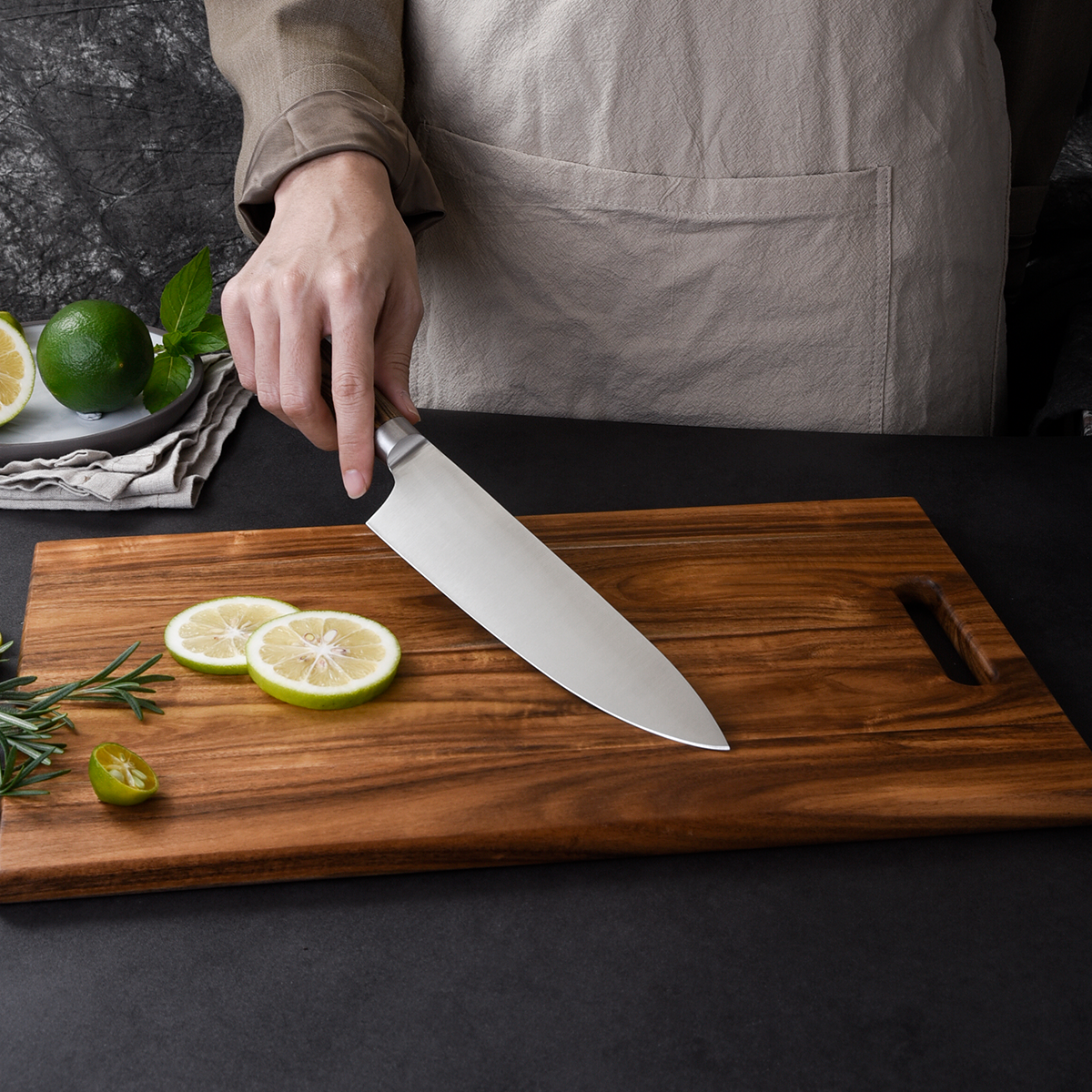
Wooden cutting boards still hold their place in most kitchens because they tend to last longer and look nicer than other options. The harder woods such as maple or walnut actually close up those little cuts from knives better than softer woods do, so the board doesn't show damage as quickly. Some research published last year showed that real wood has these natural properties that stop germs from growing on it if someone takes care of it right. They need some maintenance though – folks should oil them every now and then. But good quality wooden boards really stick around for years and years. That makes sense for anyone cooking at home who wants something that looks great while also doing its job well without breaking the bank too often.
Plastic cutting boards: Lightweight and dishwasher-safe options
Most commercial kitchens rely on those lightweight polyethylene cutting boards because they're cheap and easy to clean. The dishwasher safe feature means no more elbow grease for scrubbing, but there's a catch worth knowing about. Tests have shown that those deep knife grooves actually trap around three times more bacteria compared to smooth surfaces. For better food safety practices, many chefs now prefer BPA free plastic boards that come in different colors. This helps keep raw meat separate from veggies during prep time. A good rule of thumb is to replace these boards once a year since worn out edges and cracks can become breeding grounds for pathogens over time.
Bamboo cutting boards: Sustainable but hard on knives
The fast growing nature of bamboo means it stands out as a greener option compared to regular hardwoods. But there's a catch worth mentioning here. Bamboo is actually about 20 percent harder than maple wood, which tends to wear down knives pretty quickly over time. Even though bamboo isn't as porous as most woods, it still needs some kind of sealant applied regularly if we want to stop it from warping when exposed to moisture. That said, for simple kitchen jobs such as slicing veggies, bamboo cutting boards strike a decent middle ground between being environmentally friendly and getting the job done properly.
Alternative materials: Marble, glass, and composite boards
| Material | Best For | Drawbacks | Maintenance |
|---|---|---|---|
| Marble | Charcuterie | Dulls knives, heavy | Wipe clean |
| Glass | Pastry work | Slippery surface, loud | Dishwasher-safe |
| Composite | Raw meat prep | Higher cost, limited sizes | Non-porous design |
Glass and marble excel as serving surfaces but damage knife edges during food prep. Composite boards combine wood fibers and resin for knife-friendly surfaces that resist bacterial absorption, though their durability trails traditional wood options.
Types of Wooden Cutting Boards: Edge-Grain, End-Grain, and Butcher Block
Edge-Grain Cutting Boards: Balanced Strength and Affordability
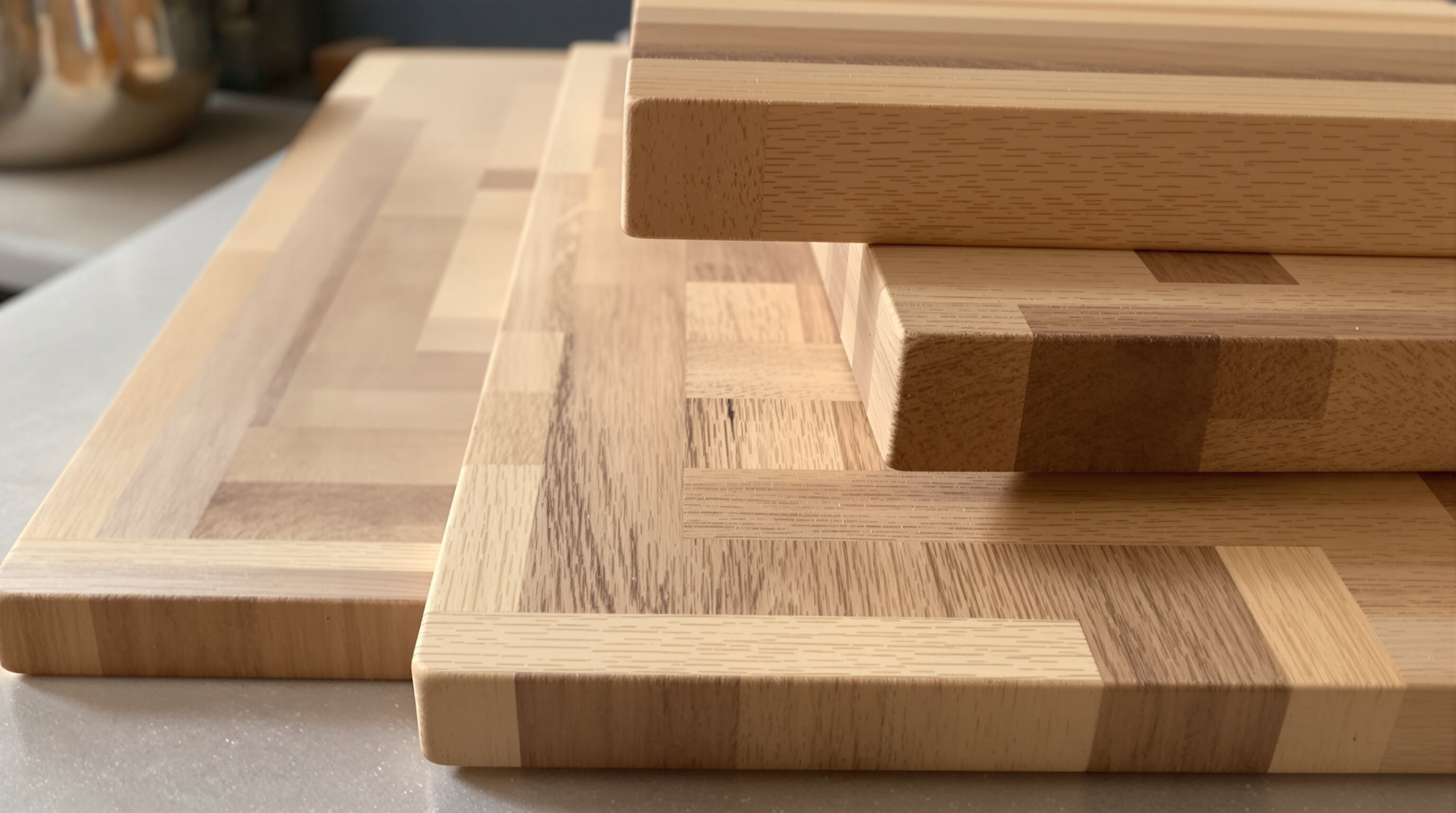
Cutting boards made with edge grain have become pretty popular among home chefs because they last longer and don't break the bank as much as other options. These boards are basically made by stacking wooden planks vertically and gluing them together so the horizontal grain shows through. This construction method actually helps prevent those annoying warp issues that happen with regular solid wood boards. Some research done last year looked at different kitchen tools and apparently edge grain boards held up against dents about 35 percent better than bamboo ones did. Sure, they'll still get some knife marks after heavy use, but most people find that the $50 to $150 price tag is totally worth it when compared to pricier alternatives. For folks who want something durable without spending a fortune on their kitchen gear, these boards seem like a smart choice.
End-Grain vs. Edge-Grain: Structure and Performance Differences
The orientation of wood fibers creates distinct performance characteristics:
| Feature | End-Grain | Edge-Grain |
|---|---|---|
| Knife Impact | Self-healing fibers reduce edge wear | Can cause 20% faster blade dulling |
| Surface Maintenance | Hides scratches naturally | Requires occasional sanding |
| Typical Cost | $150–$400 | $50–$150 |
End-grain boards (with vertically oriented fibers) excel in durability, as their structure allows knife edges to slide between fibers rather than cutting across them. However, edge-grain’s simpler construction reduces weak points at seams.
Butcher Block Cutting Boards: Heavy-Duty Construction for Professionals
Butcher blocks merge multiple hardwood layers for exceptional impact resistance. Their thickness (typically 2–4 inches) withstands meat cleavers and prolonged prep sessions. Research by culinary institutes shows professional kitchens using butcher blocks report 60% fewer replacements compared to standard boards over 5 years.
Popular Wood Types: Teak, Maple, and Walnut Compared
- Maple (1,450 Janka hardness): Scratch-resistant for heavy chopping
- Walnut (1,010 Janka): Naturally antimicrobial but prone to water stains
- Teak (1,155 Janka): High silica content accelerates knife dulling by 18%
Are End-Grain Cutting Boards Worth the Premium Price?
End grain cutting boards definitely come with a bigger price tag, about three times what edge grain ones cost, but serious cooks know they're worth it in the long run. Woodworking pros have found that these boards can last anywhere from 15 to 25 years if maintained properly, whereas edge grain versions typically only make it 8 to 12 years before needing replacement. Anyone who chops vegetables multiple times a day will appreciate how much less maintenance is needed on knives used on end grain surfaces. The initial expense might seem steep at first glance, but when considering how many meals get prepared on them over time, most experienced chefs find the extra cost completely worthwhile.
Wood vs. Plastic vs. Bamboo: Performance, Safety, and Sustainability
Hygiene and Bacterial Resistance Across Cutting Board Materials
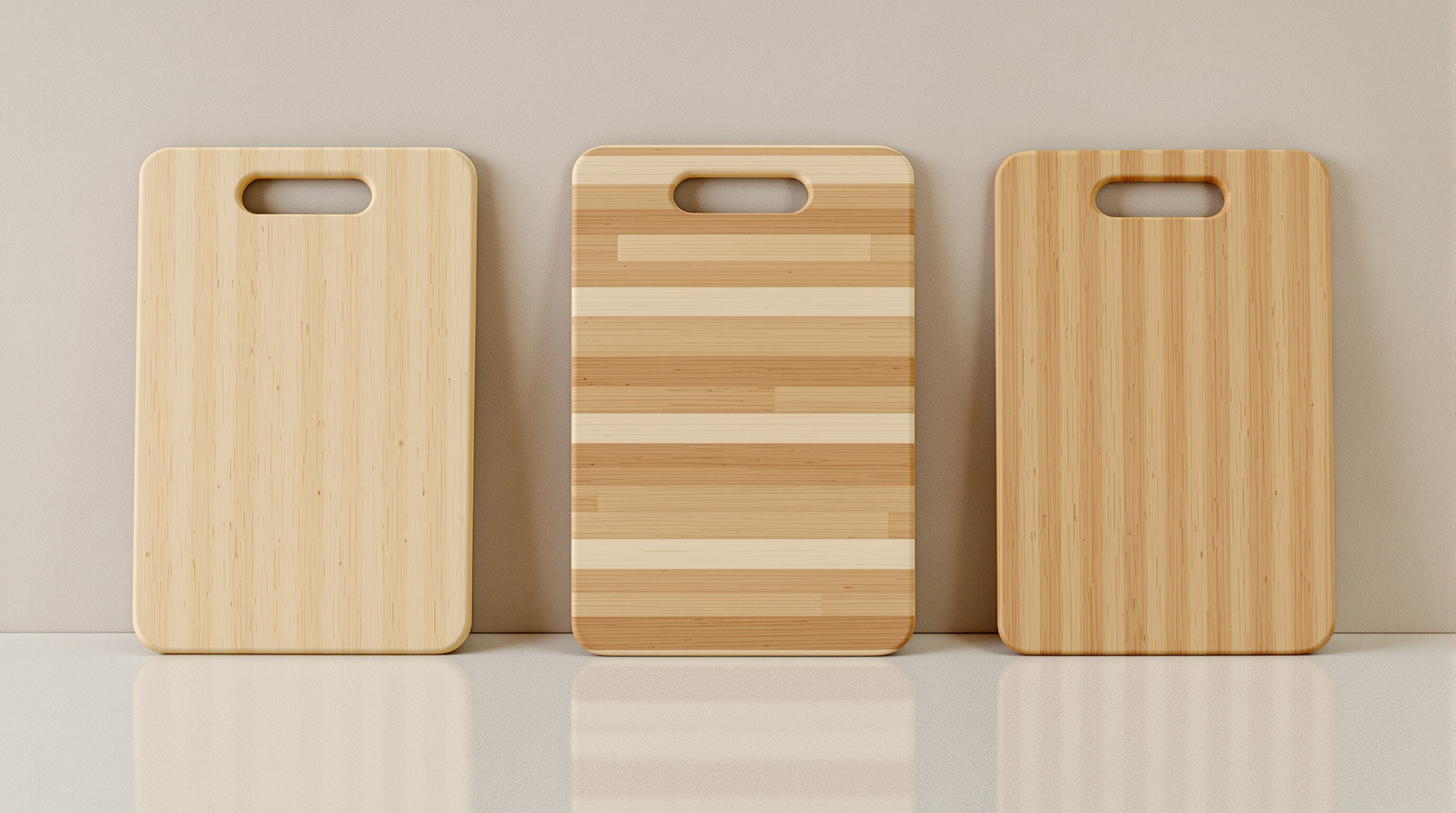
Most plastic cutting boards claim they're non-porous and safe for dishwashers, but research indicates otherwise. A study from University of Michigan back in 2022 found that those little knife marks actually hold about 14% more bacteria compared to wood counterparts. Wooden boards have something going for them naturally - certain types contain compounds that kill off microbes pretty effectively, sometimes cutting down on bacteria by nearly all if kept clean regularly. Bamboo falls somewhere in between regular wood and plastic. Its tight grain helps resist some bacteria buildup, although it's harder so doesn't develop those same deep grooves where nasties like Salmonella might hang out. For plastic boards, don't forget to give them a good wipe down with bleach solution once in a while (about a tablespoon mixed into a gallon of water works fine). And anyone using wooden boards should probably apply some food-safe oil every month or so to keep those tiny pores sealed up tight.
Knife-Friendliness and Long-Term Durability Comparison
Edge retention varies dramatically across materials:
| Material | Knife Dulling Rate | Average Lifespan | Maintenance Needs |
|---|---|---|---|
| Hardwood | Low | 10–15 years | Monthly oiling, sanding |
| Plastic | Moderate | 1–3 years | Dishwasher cycles |
| Bamboo | High | 5–8 years | Hand-wash only |
Wood’s forgiving surface preserves knife sharpness 3x longer than bamboo, according to Culinary Institute of America tests (2023). Plastic boards develop irreparable scars after 200+ uses, while bamboo’s rigid fibers accelerate blade wear.
Environmental Impact: Bamboo Renewability vs. Plastic Waste vs. Wood Sourcing
The bamboo plant grows about 36 inches every single day, which means it can be considered around thirty times more renewable compared to oak trees. However, most commercially available bamboo products actually need some kind of epoxy resin treatment to stay stable over time. Let's talk about plastic boards too they're part of this massive problem where we generate approximately 400 million tons of plastic waste each year according to the United Nations Environment Programme in their 2023 report. Only about nine percent gets recycled worldwide, so there's clearly room for improvement there. When looking at sustainable options, wood that comes from responsibly managed forests certified by the Forest Stewardship Council does help trap carbon dioxide from the atmosphere. Still worth noting though that these hardwood trees take anywhere between forty to eighty years before they reach maturity again after being cut down. Whenever feasible, going with locally sourced wood varieties along with plastic boards made from previously used materials seems like the smartest choice overall.
Best Uses for Each Cutting Board Type
Matching materials to tasks: Chopping, slicing, carving, and serving
Selecting the right cutting board material depends on your culinary task and food safety requirements. Use this comparison to optimize performance and hygiene:
| Material | Best Uses | Limitations |
|---|---|---|
| Wood | Chopping vegetables, fruits, bread | Avoid raw meat; high-maintenance |
| Plastic | Raw meats, poultry, fish (dishwasher-safe) | Prone to deep knife grooves |
| Bamboo | Light prep (herbs, cheese), serving | Hard surface dulls knives |
| Composite | Heavy-duty carving, multi-purpose use | Less heat-resistant |
Most chefs will tell home cooks to keep wooden cutting boards away from raw meat since wood tends to soak up bacteria pretty easily. Plastic boards are better for handling proteins because they don't absorb stuff, especially after a good wash in the dishwasher on hot cycles. Serious cooks often reach for end grain maple butcher blocks when doing lots of chopping throughout the day those ones actually protect knife edges instead of wearing them down. Bamboo boards look great on tables serving cheese boards or fresh bread, though many professional kitchens still prefer the durability of maple for daily use despite the higher price tag.
Color-coded plastic cutting boards for food safety and cross-contamination prevention
Commercial kitchens and home cooks alike use color-coded plastic boards to prevent cross-contamination. This system assigns specific colors to food groups:
- Red: Raw meats
- Yellow: Raw poultry
- Blue: Raw fish
- Green: Fruits/vegetables
- White: Dairy/baked goods
According to food safety groups, kitchens that implement color coded cutting board systems cut down on cross contamination dangers by around 72% when compared to regular single board setups, according to research published in the 2023 Food Safety Study. When those plastic boards start showing deep grooves from years of use, it's time to replace them since those little cracks can trap bacteria no matter how thoroughly someone washes them. Home cooks don't need the full color spectrum either. Just having one board dedicated to raw meat and another for fruits and veggies offers pretty much the same level of safety without all the extra colors cluttering up the counter space.
Care and Maintenance Tips for Long-Lasting Cutting Boards
How to Maintain Wooden Cutting Boards: Oiling, Drying, and Sanding
Wood cutting boards need regular maintenance if they're going to last. Monthly conditioning with food grade mineral oil or beeswax keeps them from getting dry and cracked over time. After washing, it's best practice to let them dry standing upright rather than lying flat on a counter, which helps prevent those annoying warp issues. For those deep knife gouges that just won't go away, a quick sanding job will restore the board's smooth feel while also sealing up those tiny pores where germs might hide. According to research published in Food Safety Journal back in 2024, well cared for wooden boards typically make it about five to seven years before needing replacement, whereas neglected ones don't even get close to that lifespan. So putting in a little effort now really pays off down the road when it comes to both how long the board lasts and keeping kitchen surfaces clean.
Cleaning and Replacing Plastic and Bamboo Cutting Boards
Dishwasher friendly plastic cutting boards are convenient but they need replacing when those deep grooves start showing up since these crevices become perfect spots for bacteria to grow. Bamboo options are better for the environment though they demand careful hand washing with just some mild soap to avoid them splitting apart. The truth is both types will eventually wear down. For plastic boards check them every year looking out for any discoloration spots. With bamboo watch for cracks developing over time. According to research from NSF International in 2024, around one fifth of plastic cutting boards still in use after two years actually contained dangerous germs. That's why it really pays off to replace them before they become health hazards.
FAQ
What are the best cutting board materials for knife preservation?
Wooden cutting boards, especially those made from harder woods like maple or walnut, are best for preserving knife sharpness due to their forgiving surface.
How often should I replace my plastic cutting board?
It's recommended to replace plastic cutting boards annually, especially when deep grooves or cracks appear, as these can harbor bacteria.
Why are color-coded plastic boards important in kitchens?
Color-coded plastic boards are essential for preventing cross-contamination by assigning specific colors to different food groups like meats and vegetables.
Is bamboo a sustainable choice for cutting boards?
Yes, bamboo grows rapidly and is a more renewable resource compared to hardwoods. However, bamboo boards can dull knives faster.
How should I maintain a wooden cutting board?
Regular oiling with food-grade mineral oil, ensuring full drying after washing, and occasional sanding will maintain the board's condition and finish.
Table of Contents
- Cutting Board Materials: Wood, Plastic, Bamboo, and Beyond
-
Types of Wooden Cutting Boards: Edge-Grain, End-Grain, and Butcher Block
- Edge-Grain Cutting Boards: Balanced Strength and Affordability
- End-Grain vs. Edge-Grain: Structure and Performance Differences
- Butcher Block Cutting Boards: Heavy-Duty Construction for Professionals
- Popular Wood Types: Teak, Maple, and Walnut Compared
- Are End-Grain Cutting Boards Worth the Premium Price?
- Wood vs. Plastic vs. Bamboo: Performance, Safety, and Sustainability
- Best Uses for Each Cutting Board Type
- Care and Maintenance Tips for Long-Lasting Cutting Boards
- FAQ