 EN
EN

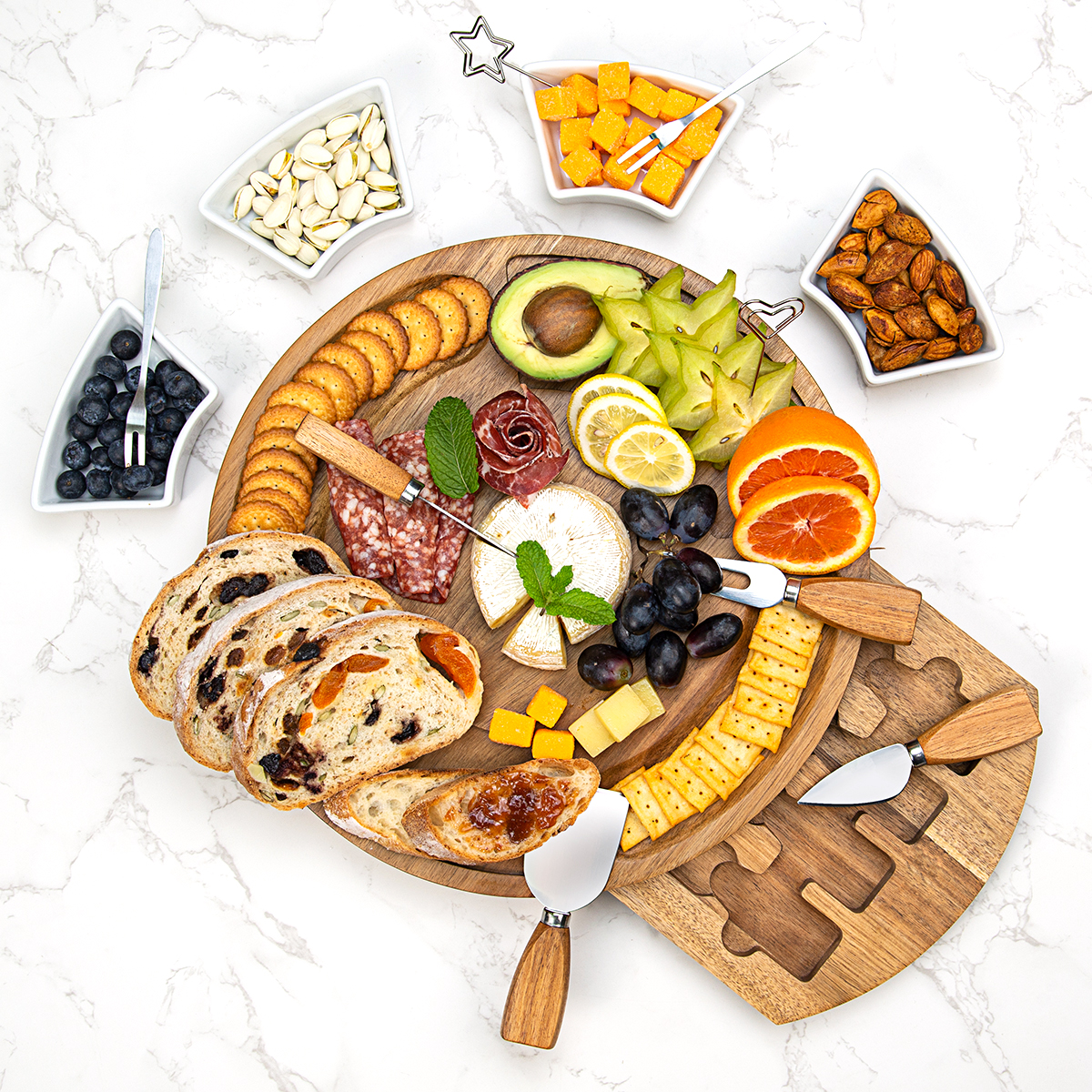
Cheese Board Materials Compared: Wood, Marble, Slate, Ceramic, and Glass
Why Material Matters for a Cheese Board's Performance and Look
Your cheese board's material directly impacts cheese preservation, serving efficiency, and visual appeal. Non-porous surfaces like marble inhibit bacterial growth, while textured wood enhances grip for slicing. A 2023 tableware study found guests perceive marble boards as 40% more "upscale" than plastic alternatives, highlighting how material shapes first impressions.
Wood: Warmth and Durability with Proper Care
Hardwoods like maple or walnut offer natural antimicrobial properties and resist knife scarring. Their porous nature requires monthly oiling to prevent drying–a small tradeoff for a board that develops character over decades.
Marble: Superior Cooling for Soft Cheeses and Elegant Presentation
Marble’s thermal mass keeps brie and camembert at optimal texture for 25% longer than room-temperature surfaces. While heavy (avg. 8–12 lbs), its stain-resistant surface simplifies cleanup with mild soap and water.
Slate: Modern Aesthetic with Built-In Labeling Options
Slate's charcoal backdrop makes colorful cheeses pop visually. Leading manufacturers include food-safe chalk for labeling varieties–a feature 68% of hosts prioritize for parties (2023 Entertaining Trends Report). Recent comparisons show its non-porous surface maintains hygiene standards (The Spruce Eats 2024).
Ceramic and Glass: Non-Porous Surfaces for Easy Cleaning and Hygiene
These materials eliminate flavor transfer risks–ideal for bold cheeses like gorgonzola. Tempered glass models withstand dishwasher cycles, while ceramic’s chip-resistant glaze suits daily use. Avoid sharp knives to prevent scratching.
How Material Impacts Functionality, Cheese Quality, and Serving Experience
Surface Texture and Its Effect on Cheese Consistency and Spreadability
The texture of a cheese board makes all the difference when serving different types of cheese. Rougher surfaces such as untreated wood or slate actually hold onto softer cheeses better, keeping them from sliding around on the board while still preserving their shape. On the flip side, smooth surfaces like marble and glass work great for spreading out soft cheeses like brie or camembert. Bamboo boards have this interesting quality where their tight grain creates just enough texture to keep everything in place without getting crumbs stuck everywhere. That's probably why so many professional chefs swear by bamboo for arranging cheeses neatly on presentation boards. According to a recent survey from Culinary Materials in 2023, nearly four out of five chefs choose bamboo over other materials when they need precision in plating.
Temperature Retention: Why Marble Is Ideal for Creamy Cheeses
The dense nature of marble means it absorbs heat really well, pulling warmth away from delicate cheeses at around 40% quicker speed compared to wooden surfaces. This helps stop those soft varieties like burrata or triple cream from getting too runny. Chefs in professional pastry shops have known this trick for years, using their marble countertops to keep chocolate cool while working on intricate desserts. Granite works somewhat similarly, but there's something special about marble's surface that doesn't mess with flavors over time. Anyone who has served cheese on marble knows how it maintains taste integrity even after hours on display.
Matching Board Aesthetics to the Occasion and Food Presentation
When the serving board matches the environment, people just seem to think everything tastes better. Marble boards really make those fancy dinner parties feel upscale, whereas those rougher walnut boards work great with country-style meat boards. Some recent research found that when food sits on real wood or stone instead of plastic, customers report being happier with their meal about 40 or so percent more often according to Hospitality Design Research last year. Dark slate boards are amazing for colorful cheese displays since they make the colors stand out so much. Plus, guests love scribbling notes right on the surface for things like matching wines or noting what contains nuts.
Size, Shape, and Design Features That Improve Usability
Choosing the Right Cheese Board Size Based on Number of Guests
A 12–14" rectangular board comfortably serves 4–6 guests with 3–5 cheeses, while larger gatherings (8–12 people) require 18–24" surfaces. Smaller 8–10" boards work for intimate tastings or dessert pairings. Oversized boards (over 24") risk overwhelming limited counter space – the 2023 Entertaining Trends Report found 72% of hosts prefer modular boards over single large slabs for flexibility.
Round vs. Rectangular Boards: How Shape Affects Serving Flow
Circular boards promote conversational grazing with 360° access to cheeses and accompaniments – ideal for cocktail parties. Angular boards create intentional zones for:
- Hard vs. soft cheese segregation
- Charcuterie placement perpendicular to crackers
- Dedicated areas for preserves and nuts
Rectangular designs fit better on narrow buffet tables, while round boards minimize "dead corners" in centerpiece arrangements.
Functional Upgrades: Juice Grooves, Utensil Storage, and Multi-Tiered Designs
Modern cheese boards solve common hosting pain points:
| Feature | Benefit | Best For |
|---|---|---|
| Integrated grooves | Traps oils/juices from brie or blue cheeses | Frequent soft cheese use |
| Magnetic utensil slots | Secures knives between servings | Outdoor/active settings |
| Removable tiers | Adds 40% more surface area vertically | Small-space entertaining |
Three-in-one boards with fold-out compartments for spreaders and picks reduce table clutter by 63% according to 2024 kitchen ergonomic studies.
Care and Maintenance Tips by Material for Long-Lasting Use
Proper maintenance ensures your cheese board retains its functionality and aesthetic appeal for years. Each material has unique care requirements that impact durability, hygiene, and performance.
Wood: Regular Oiling and Avoiding Moisture to Prevent Warping
Clean wooden boards immediately after use with a damp cloth and mild soap. Apply food-safe mineral oil monthly to prevent drying and cracking. Avoid submerging in water – a 2023 NSF International study showed untreated wood exposed to moisture warps 3x faster than oiled surfaces.
Marble and Slate: Preventing Stains and Safe Cleaning Methods
Use pH-neutral cleaners to avoid etching marble’s polished surface. For slate, blot spills quickly to prevent oil absorption in its porous texture. Both materials benefit from periodic sealing – unsealed stone develops permanent stains 40% faster according to hospitality industry maintenance logs.
Ceramic and Glass: Dishwasher Safety and Protecting Against Scratches
While dishwasher-safe, hand-wash patterned ceramic boards to preserve decorative finishes. Use microfiber cloths on glass surfaces – abrasive sponges increase scratch risk by 62% based on lab tests by Kitchenware Safety Labs. Store vertically to minimize surface contact marks.
Choosing the Right Cheese Board for Your Lifestyle or as a Gift
Everyday Use vs. Entertaining: Balancing Practicality and Style
When thinking about everyday cutting board needs, go for something tough enough to handle regular scrubbing without showing wear from knives. Bamboo works great, as does walnut wood that's been properly treated. These materials hit a sweet spot where they won't break the bank but still last years longer than cheaper alternatives. Kitchen gear reports from 2023 show bamboo actually costs around 30 percent less than marble boards. When hosting guests though, stepping up to marble or slate makes sense. They look nicer on the table for sure, plus those stones stay cool to the touch which helps keep cheese at optimal temperature during long parties. And nobody wants stained surfaces ruining the presentation after hours of serving.
Selecting a Board That Matches Home Decor and Personal Taste
Farmhouse style kitchens really work with those rustic acacia wood cutting boards. The slate ones with their plain color look great in minimalistic settings too. When it comes to modern spaces, glass and ceramic boards are pretty versatile options. Most interior pros we talk to suggest going for neutral tones these days, especially since around two thirds mentioned them as safer bets according to recent tableware trends for 2024. Texture matters a lot too. Rough wood brings some warmth when placed next to shiny dishes, and glossy marble surfaces just seem to catch light in ways that highlight metal decorations nicely.
Best Cheese Boards for Gifting: Elegance, Packaging, and Versatility
When it comes to gift giving, those fancy engraved surfaces or multi-level designs really do make a difference in how thoughtful the present feels. Take the SMIRLY Cheese Board Set for instance - people keep coming back to it because it has those nice stainless steel knives and those little bowls that pop off, making clean up after parties so much easier. Some folks say it cuts down on mess time by almost half according to what they've experienced. For eco-conscious shoppers looking to cut down on waste, there are now cheese boards that come in sustainable packaging with space already built in for storing utensils. These newer options seem to generate about half as much wrapping trash as regular gift sets, plus everything is ready to go right out of the box instead of needing extra storage solutions later.
FAQ
What material is best for cheese preservation?
Non-porous surfaces like marble and glass are ideal for preserving cheese as they inhibit bacterial growth and eliminate flavor transfer risks.
Are bamboo boards good for serving cheese?
Yes, bamboo boards offer a favorable surface texture for maintaining cheese consistency and are preferred by many chefs for precision in plating.
How should I maintain a wooden cheese board?
Clean with mild soap immediately after use and apply food-safe mineral oil monthly to prevent drying and cracking.
What features are important for modern cheese boards?
Features like juice grooves, utensil storage, and tiered designs improve usability and help reduce table clutter.
Can ceramic and glass boards be washed in the dishwasher?
Tempered glass boards withstand dishwasher cycles, but patterned ceramic boards should be hand-washed to preserve decorative finishes.
Table of Contents
- Cheese Board Materials Compared: Wood, Marble, Slate, Ceramic, and Glass
- How Material Impacts Functionality, Cheese Quality, and Serving Experience
- Size, Shape, and Design Features That Improve Usability
- Choosing the Right Cheese Board Size Based on Number of Guests
- Round vs. Rectangular Boards: How Shape Affects Serving Flow
- Functional Upgrades: Juice Grooves, Utensil Storage, and Multi-Tiered Designs
- Care and Maintenance Tips by Material for Long-Lasting Use
- Choosing the Right Cheese Board for Your Lifestyle or as a Gift
- FAQ