 EN
EN

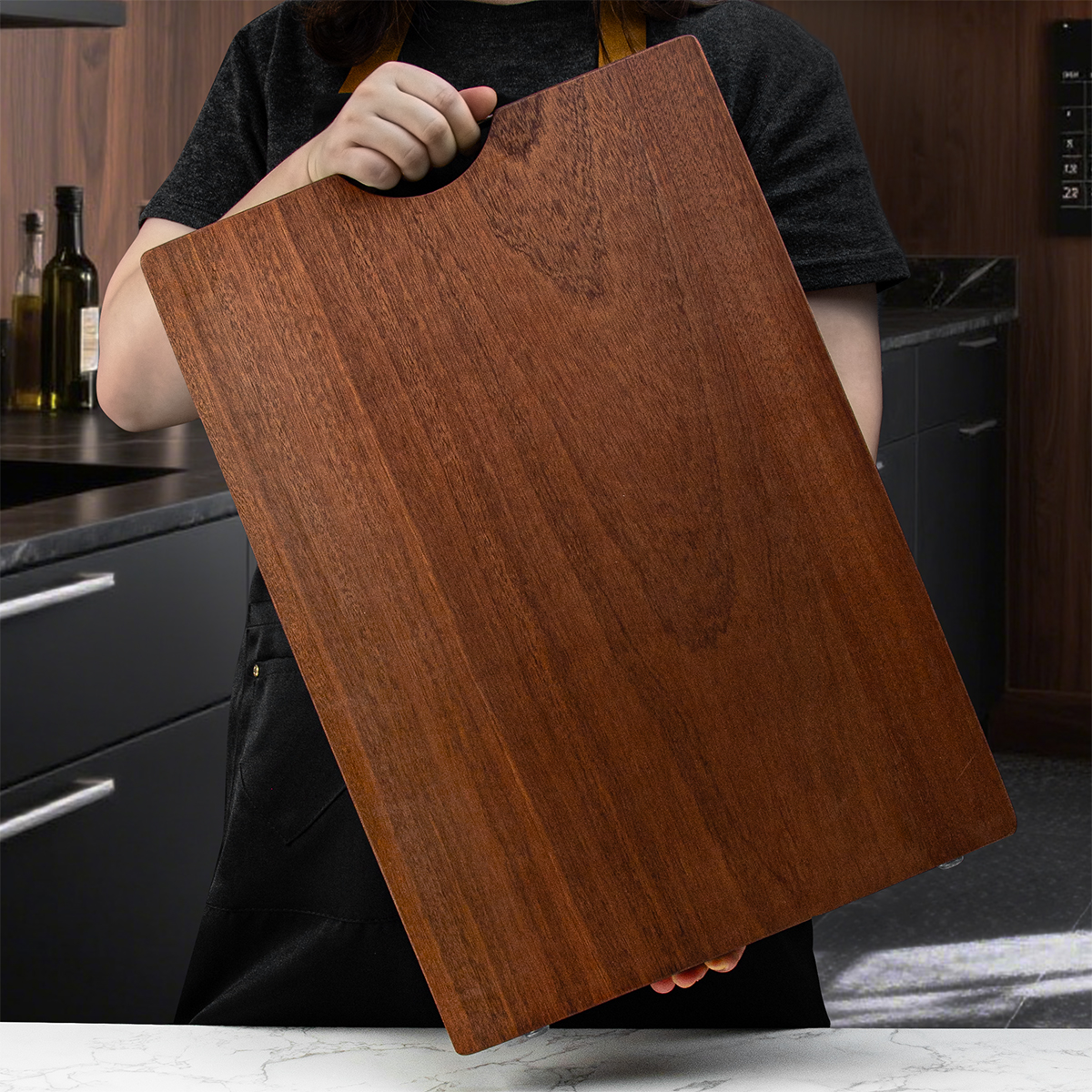
Hardwood Choices for Custom Chopping Boards: Durability and Safety
Maple, Walnut, and Cherry as Top Wood Choices for Durability and Aesthetics
When making custom chopping boards, most people go with maple, walnut, or cherry wood because these hardwoods last longer, are gentle on knives, and look great in any kitchen. Hard maple has this clean, light grain pattern that really suits contemporary kitchen designs. Walnut brings something different to the table with those deep, dark colors that create contrast and interest. Cherry wood is special too since it actually changes appearance as it ages, developing a warmer color that makes each board unique. These woods all check out on the Janka hardness scale which measures how tough wood is against damage. Cherry rates around 950 pounds per square inch, black walnut hits about 1,010 psi, and hard maple clocks in at 1,450 psi. What does this mean? Boards made from these woods resist knife scratches pretty well but won't ruin your blades either, striking a nice balance between protection and practicality.
Janka Hardness Scale and Ideal Ratings for Custom Chopping Board Materials
The Janka hardness test tells us how resistant different woods are to getting dented, and good chopping boards usually fall somewhere around 900 to 1500 on that scale. Woods that score lower than that, like pine for instance, tend to show every little mark from knives and cutting tools. On the flip side, woods that rate much higher than our sweet spot can actually wear down knife blades pretty fast over time. Hard maple comes in at about 1450 and black walnut hits around 1010, making both great options because they hold up well without being too harsh on sharp edges. Most serious woodworkers know this already, and many chefs who spend hours prepping meals day after day have discovered through experience that these woods just work better in the long run compared to other alternatives out there.
Closed-Grain Structure and Moisture Resistance in Hardwoods
Maple and cherry wood have what's called closed grain structures. Their fibers are packed closely together which makes them pretty good at keeping moisture out and stopping bacteria from taking hold. Open grained woods such as oak tell a different story though. The pores in these woods actually trap liquids and germs, creating real problems for cleanliness. Some research published in the Journal of Food Safety back in 2023 looked into this stuff. They discovered that closed grain cutting boards had about 78% less bacteria compared to bamboo boards after being used regularly for half a year. Makes sense why people who care about kitchen hygiene tend to prefer these types of woods, especially if they're kept clean and dry between uses.
Food-Safe Finishes and Non-Toxicity in Wood for Food Contact Safety
Safety starts with how we finish those custom chopping boards. Mineral oil or beeswax work great as food grade treatments that keep the wood from getting dry and cracked over time. Plus they meet all those FDA requirements for stuff that touches food directly. Now when it comes to wood types, watch out for some of those fancy exotics like teak or rosewood. They look nice but sometimes carry allergens or other stuff that just doesn't belong on our cutting surfaces. Better to go with domestic hardwoods that have been properly certified. Look for suppliers who actually specialize in culinary grade wood products rather than random lumber yards. The difference matters for both health reasons and long term performance.
End-Grain vs. Edge-Grain Construction: Impact on Performance and Longevity
How End-Grain Construction Enhances Durability of Custom Chopping Boards
Most serious cooks consider end grain construction the best bet for really good chopping boards. When the wood blocks are stacked vertically, knives actually cut between the grain fibers instead of going straight across them. This means the board can sort of heal itself after cuts and doesn't get those nasty deep gouges that ruin surfaces. Typically made from heavy woods such as maple, these boards resist splitting much better than other options. They also last longer for both the board itself and whatever knives get used on it. Some research indicates that after about five years of regular use, end grain boards only show about 60% of the deep grooves found on edge grain alternatives. Plus, blades tend to stay sharp around twice as long when cutting on this type of surface.
Edge-Grain Boards: A Stable and Cost-Effective Alternative
| Feature | End-Grain | Edge-Grain |
|---|---|---|
| Cost | 2-3x higher | Budget-friendly |
| Knife Impact | Self-healing surface | Moderate blade wear |
| Structural Weakness | Potential seam separation | Fewer weak points |
| Maintenance | Requires monthly oiling | Occasional conditioning |
Edge grain boards make sense as an alternative option since they're constructed from horizontal strips of wood stuck together side by side. The price difference is pretty substantial too around forty to eighty bucks compared to one hundred twenty to three hundred dollars for end grain counterparts. Plus these boards tend to stay stable dimensionally, so there's about thirty percent less chance they'll warp when exposed to moisture. Sure they won't repair themselves like some other materials might, but overall they hold up well enough day to day and aren't too much trouble to keep looking good over time.
Effect of Grain Orientation on Knife Edges and Long-Term Wear
How the wood grain is oriented makes all the difference when it comes to keeping knives sharp over time. With end grain cutting boards, the blade actually slides between those tiny wood fibers, which cuts down on those little chips we see so often. Some studies suggest this can extend how long an edge stays sharp by around 40%, though results may vary depending on what kind of steel was used. Edge grain boards work okay for basic tasks but they create more friction against the blade, basically wearing it down faster through constant rubbing and shearing forces. As far as maintenance goes, there's a noticeable difference too. End grain boards need oiling every other month or so to keep those exposed fiber ends from drying out and cracking. The edge grain ones aren't quite as demanding, usually needing just a quick conditioning once every three months if someone isn't doing heavy chopping all day long.
Bamboo and Plastic Options: Sustainability and Practicality Compared
Bamboo as an eco-friendly but knife-intensive material for custom chopping boards
Bamboo stands out as an eco-friendly option because it grows so fast, reaching maturity around three times quicker than most hardwoods, plus it locks away carbon pretty effectively. The wood has a Janka hardness rating of about 1,380 pounds force, which puts it on par with several types of hardwood in terms of durability. But there's a catch worth mentioning. The material's density actually wears down knives faster. Many professional cooks have noticed they need to sharpen their blades roughly 40 percent more often when working with bamboo cutting boards. Another issue comes from its fiber structure. Without proper lamination techniques, these boards tend to splinter, particularly if they're not made from quality materials.
Hygiene and bacterial resistance: bamboo vs. hardwood
While bamboo has natural antimicrobial properties, it absorbs nearly twice as much moisture as closed-grain hardwoods, increasing risk of swelling and microbial retention over time. According to a 2023 Food Safety Research Council study:
| Material | Bacterial Growth Rate (24h) | Moisture Absorption |
|---|---|---|
| Bamboo | 12% surface coverage | 1.8% weight gain |
| Hardwood | 5% | 0.9% |
| Plastic | 21% | 0% |
Proper sealing with food-safe mineral oil is crucial for both bamboo and wood. Bamboo’s silica content does offer inherent mold resistance, but this advantage diminishes if the board is not kept dry.
Plastic & synthetic boards: affordability, dishwasher safety, and scratch risks
Most plastic cutting boards these days are made from this stuff called HDPE, and they're pretty common in restaurants because they don't break the bank (usually between $15 to $40) and can go in the dishwasher. But wait, there's a catch. According to some tests by NSF International, when these boards get scratched more than half a millimeter deep, they actually hold four times as much bacteria compared to wooden boards. And it gets worse. The HDPE material tends to shed tiny bits of plastic too. We're talking about 0.03 grams worth after just 1,000 knife strikes, which isn't great for anyone's health or the environment. These boards can handle heat until around 248 degrees Fahrenheit, but after going through about 150 dishwashing cycles, they start getting all cracky and fragile. So while they seem convenient at first glance, their useful life gets cut short pretty quickly.
Maintenance Requirements by Material: Ensuring Long-Term Use and Hygiene
Oiling and Cleaning Routines for Wood and Bamboo Custom Chopping Boards
Wooden cutting boards need some TLC if they're going to last and stay sanitary. Mineral oil should be applied at least once a month to stop them from developing cracks. Maple and walnut tend to dry out faster than cherry wood because they don't hold onto oils as well naturally, so those might need an extra coating now and then. Bamboo is different though it's super dense but still needs attention too. A beeswax based finish works best for bamboo surfaces every six to eight weeks since it doesn't soak up oils like other woods do. When cleaning either type of board, use warm water mixed with gentle soap right away after use. Don't let them sit in water for long periods or they'll start looking terrible over time. Bamboo especially gets ugly water spots when left wet because of all that silica inside. According to research published in the latest Kitchenware Sanitation Report, boards that haven't been properly maintained actually collect around 28 percent more germs on their surfaces compared to ones that get regular maintenance.
Comparing Long-Term Upkeep Across Wood, Bamboo, and Plastic Materials
| Material | Annual Maintenance Time | Key Care Task |
|---|---|---|
| Hardwood | 4-6 hours | Sanding imperfections, deep oil treatments |
| Bamboo | 2-3 hours | Biweekly waxing, humidity control |
| Plastic | 20 minutes | Bleach sanitizing, scratch monitoring |
Plastic cutting boards are great for easy cleaning since most go in the dishwasher, no problem there. But these boards tend to get those annoying deep grooves over time, so folks usually end up replacing them maybe two or three times more frequently compared to good old hardwood options. Bamboo boards fall somewhere in between when it comes to upkeep. They're pretty low maintenance generally, though watch out if you live somewhere really dry without much humidity control at home because bamboo has this habit of splitting apart under those conditions. Wood boards that receive proper care can stick around for well over a decade sometimes even reaching 15 years or more. The main enemy here seems to be water exposure lasting too long, which causes boards to warp and bend. Culinary surface experts have noted that around seven out of ten failures happen because of this very issue.
Material Comparison: Balancing Durability, Hygiene, and Knife Safety
Durability and Lifespan of Wood, Bamboo, and Plastic Custom Chopping Boards
Maple and walnut hardwoods are pretty much the gold standard when it comes to lasting power. Their Janka ratings range from around 1,450 to 2,300 pounds per square inch, which means they can take quite a beating before showing damage. Bamboo might seem tough on paper since it has similar hardness ratings between 1,380 and 1,500 lbf, but real world tests from last year show something different. When subjected to stress, bamboo actually starts to crack about 22 percent quicker than these hardwoods because of its tendency to be brittle rather than flexible. Plastic materials offer decent dent resistance at first glance, but anyone who's used them knows the truth. After just a few months of regular knife work, plastic surfaces begin to develop those annoying grooves much faster than wooden counterparts do, sometimes three times as fast in fact.
| Material | Avg. Lifespan | Scratch Resistance | Maintenance Impact |
|---|---|---|---|
| Hardwood | 10-15 years | High | Requires oiling |
| Bamboo | 4-8 years | Moderate | Sensitive to moisture |
| Plastic (HDPE) | 2-5 years | Low | Dishwasher-safe |
Hygiene Factors by Material: Cleaning Ease and Bacterial Resistance
According to research from the USDA in 2023, when cleaned properly, hardwood cutting boards kill off around 94% more bacteria compared to plastic ones because wood naturally fights germs. Bamboo is somewhat better than plastic too, though it needs about 20% extra elbow grease to get rid of stuck-on food bits since the fibers tend to trap stuff. Plastic boards might seem easier to clean in the dishwasher at first glance, but they develop deep scratches after repeated use. These scratches become little hiding spots for bacteria to grow, which means all that convenience comes at a cost to kitchen hygiene in the long run.
FAQ
What is the Janka hardness scale?
The Janka hardness scale measures the resistance of wood to denting and wear, indicating durability for chopping boards.
Why are closed-grain woods preferred for chopping boards?
Closed-grain woods like maple and cherry resist moisture and bacteria due to their closely packed fibers, making them hygienic choices for chopping boards.
What is the difference between end-grain and edge-grain boards?
End-grain boards self-heal and are gentler on knives, while edge-grain boards are more budget-friendly and stable but can wear down blades faster.
How does bamboo compare to hardwood in terms of hygiene?
Bamboo absorbs more moisture than closed-grain hardwoods, risking microbial growth, but has natural antimicrobial properties.
What are the maintenance requirements for wood chopping boards?
Wooden chopping boards require regular oiling and cleaning to prevent drying and cracking, extending their lifespan and maintaining hygiene.
Table of Contents
- Hardwood Choices for Custom Chopping Boards: Durability and Safety
- End-Grain vs. Edge-Grain Construction: Impact on Performance and Longevity
- Bamboo and Plastic Options: Sustainability and Practicality Compared
- Maintenance Requirements by Material: Ensuring Long-Term Use and Hygiene
- Material Comparison: Balancing Durability, Hygiene, and Knife Safety
- FAQ