 EN
EN

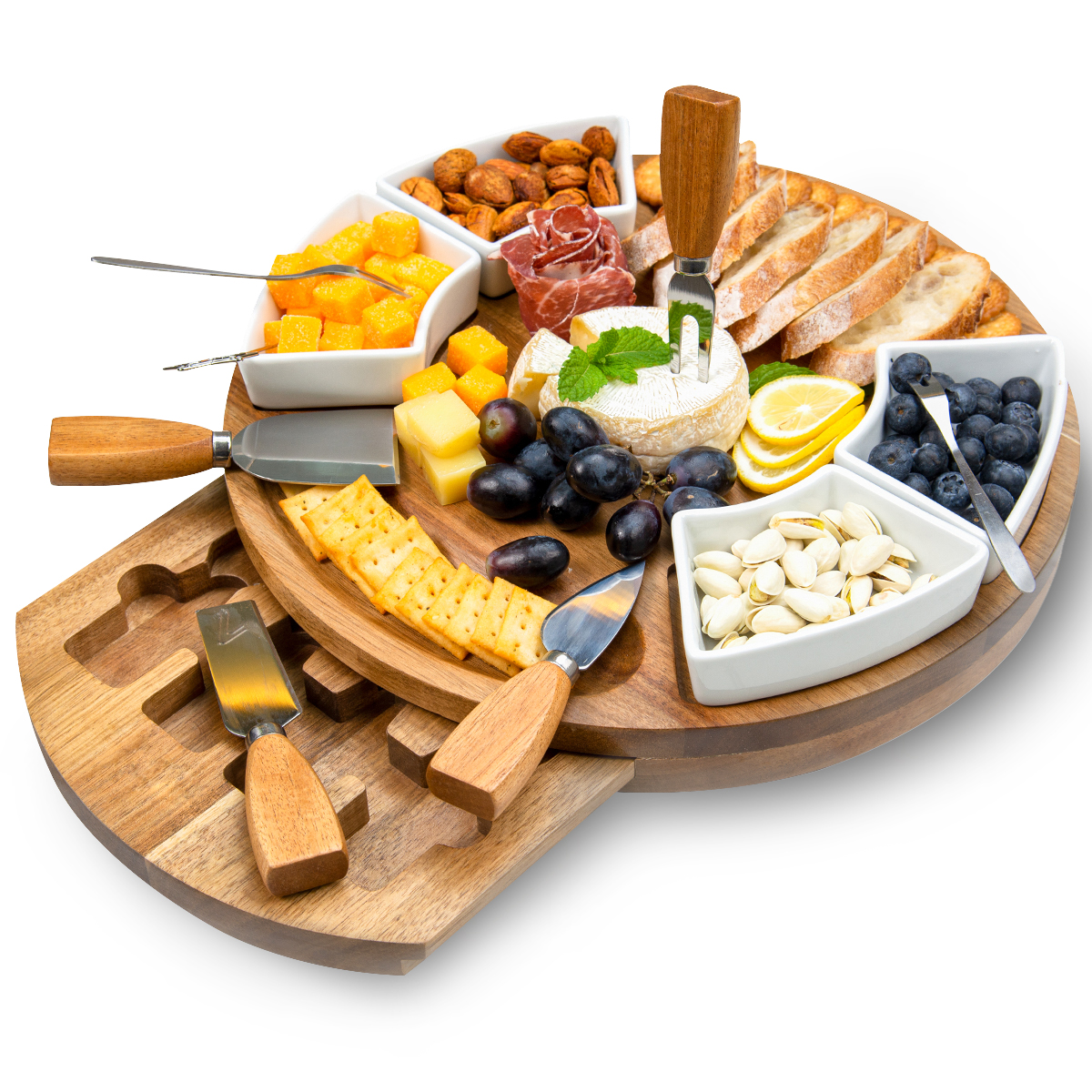
The Sensory and Strategic Impact of Wood Charcuterie Boards
How natural grain, warmth, and tactile contrast elevate perception of luxury
A wood charcuterie board is more than a serving platter—it’s a deliberate sensory tool. Research shows that touching wood lowers physiological arousal and increases feelings of pleasure within just 90 seconds—more so than materials like aluminum or marble. Its natural grain and subtle warmth create tactile contrast that signals authenticity and craftsmanship. When guests place prosciutto or aged cheese on wood, the slight give and thermal harmony make the food feel more artisanal. Visual variation—walnut’s rich streaks, cherry’s reddish hues, or maple’s pale evenness—adds depth no sterile ceramic or polished stone can replicate. This multisensory elevation directly shapes perceptions of luxury: a study on fine-dining environments found tableware material influences willingness to pay by up to 18%. By harnessing wood’s inherent textural and visual cues, restaurants turn a simple board into a narrative of quality and care.
Case study: a Michelin-starred restaurant’s seasonal walnut board pairings and guest experience metrics
A renowned three-Michelin-starred New York restaurant introduced seasonal walnut boards to accompany its fall cheese selection. Walnut’s rich, straight grain and medium hardness provided an earthy backdrop that complemented the nuttiness of aged Comté and the creaminess of triple-cream Brie. Guest feedback collected over two months revealed a 22% increase in positive comments about presentation and a 15% rise in dessert pairings ordered after the cheese course. Staff observed longer table dwell times and richer guest engagement—often centered on the wood’s origin and finish. Social media mentions featuring the board grew by 34%, with many guests posting photos of the surface. These metrics confirm that a thoughtfully selected wood charcuterie board doesn’t merely serve food—it amplifies the entire dining narrative, driving both satisfaction and revenue.
Hardwood Selection Science: Why Cherry, Walnut, and Maple Define Premium Wood Charcuterie Boards
The durability, safety, and visual appeal of a wood charcuterie board hinge on hardwood species. Cherry, walnut, and maple consistently outperform other options because each offers a unique balance of hardness, grain density, and aesthetic character—making them the standard in professional kitchens and artisan workshops.
Janka hardness, food-safe density, and visual rhythm — balancing durability with artistry
Janka hardness measures resistance to denting and wear. Cherry and walnut score approximately 1,000 lbf—firm enough to resist deep gouges yet soft enough to protect knife edges during slicing. Maple registers around 1,400 lbf, making it the hardest of the trio and ideal for high-traffic service. This calibrated hardness ensures lasting functionality without brittleness or cutlery damage.
Food-safe density stems from closed-grain structure, which limits moisture absorption and bacterial growth. All three woods are naturally antimicrobial, but walnut’s tight grain offers exceptional stain resistance, while cherry’s fine pores minimize liquid penetration. Density also contributes to weight—sturdier boards remain stable on the table, a practical advantage for charcuterie service.
Visual rhythm completes the selection criteria. Walnut’s deep chocolate tones contrast vividly with pale cheeses and cured meats. Cherry develops a warm reddish-brown patina over time, growing more beautiful with use. Maple provides a clean, light backdrop that brightens any spread. By aligning wood choice with a restaurant’s aesthetic, chefs extend culinary artistry into the serving surface—where science and design meet in every grain.
Wood Charcuterie Boards as Brand Anchors in Michelin-Starred Kitchens
In Michelin-starred establishments, wood charcuterie boards transcend function to become integral brand anchors. Their tactile warmth and organic grain patterns communicate craftsmanship and attention to detail—core values of luxury dining. This intentional presentation reinforces brand narratives through texture, contrast, and material authenticity. Selecting region-specific hardwoods like walnut or cherry extends culinary storytelling to include terroir, creating memorable touchpoints tied to the establishment’s identity. Consistent use across service sequences builds subconscious brand recognition—transforming serving surfaces into signature elements as distinctive as china patterns or glassware in elite dining environments.
FAQs About Wood Charcuterie Boards
Why are wood charcuterie boards preferred over other materials?
Wood charcuterie boards offer tactile warmth, natural grain patterns, and visual depth that elevate perceptions of luxury, authenticity, and craftsmanship in both casual and fine-dining settings.
What are the best wood choices for charcuterie boards?
Cherry, walnut, and maple are ideal due to their balance of durability, food-safe density, and visual appeal.
How does wood impact dining experience metrics?
Studies show that using wooden boards enhances guest satisfaction, increases dwell time, and generates more positive comments and social media activity.
What makes maple wood a popular option for high-traffic restaurant use?
Maple’s high Janka hardness ensures lasting durability in busy service environments while maintaining an attractive, clean aesthetic.
Are there hygienic concerns with wood charcuterie boards?
No, hardwoods like walnut, cherry, and maple have closed-grain structures and natural antimicrobial properties, making them safe for food service.