 EN
EN

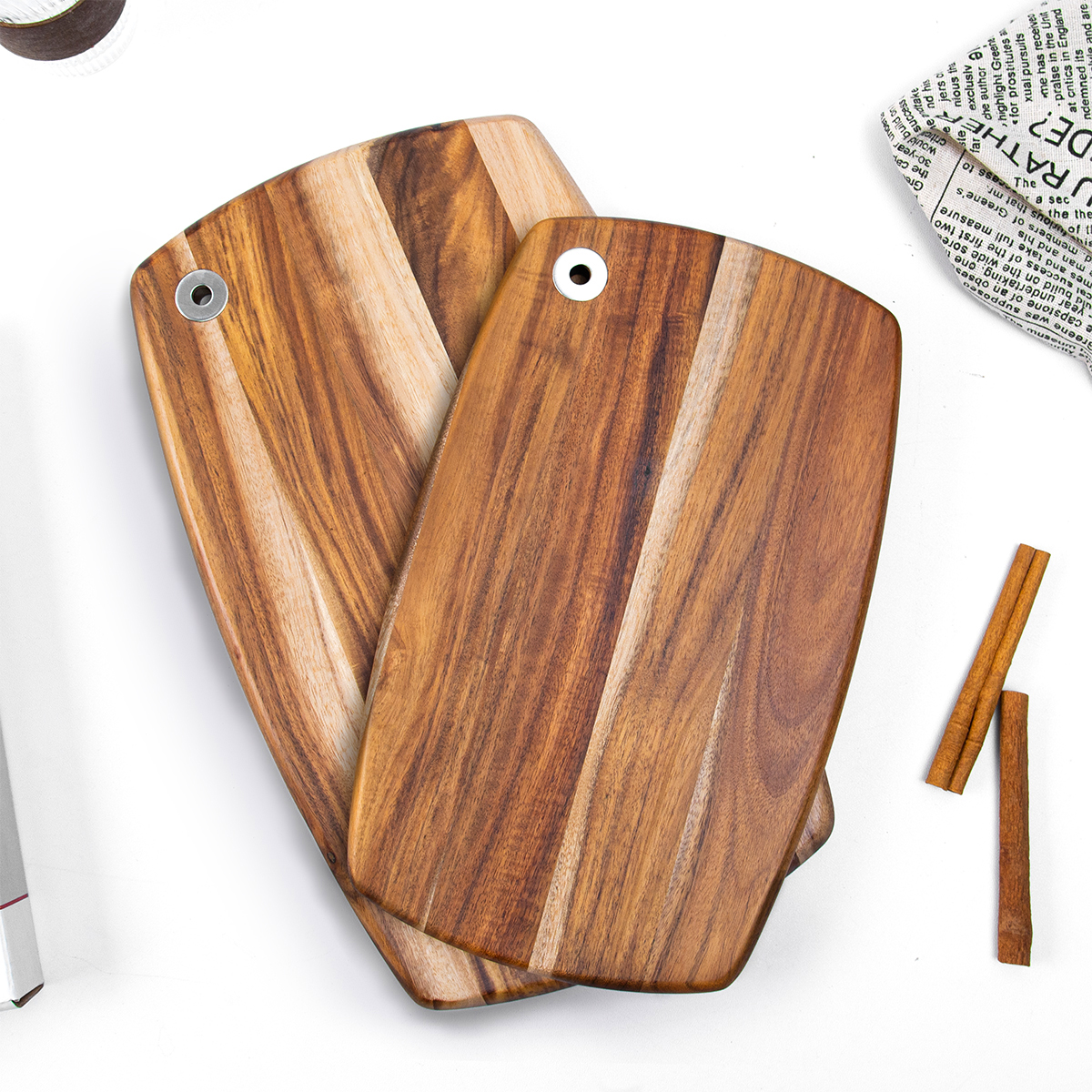
Key Wood Properties That Impact Custom Cutting Board Performance
When selecting wood for custom cutting boards, two structural characteristics dictate performance: wood density and grain composition.
Janka Hardness and Its Effect on Durability and Knife Edge Retention
The Janka hardness scale measures how tough different woods are against wear and tear from knives. Hard maple scores about 1,450 on this scale and holds up pretty well during heavy chopping without much surface damage. Walnut comes in lower at around 1,010 and tends to be easier on knife blades. Research published last year in the Journal of Food Safety found that woods above 1,500 Janka actually cause knives to dull faster by roughly 23 percent when compared to woods with medium density. For people who care about keeping their knives sharp but also want something durable enough not to get those deep gouges where bacteria might hide, moderately hard woods seem like the best choice overall.
Grain Structure and Porosity: Closed-Grain Woods for Enhanced Food Safety
Maple and other closed grain woods feature very tight cell structures with under 5% open pores, which makes them almost impossible for moisture or bacteria to penetrate. On the flip side, open grain varieties like oak soak up liquids much quicker actually around three to four times faster according to some studies, making them more prone to getting contaminated. The big difference in how porous these woods are explains why chefs and professionals stick with closed grain options when making cutting boards meant for food prep. Most high end butcher blocks and restaurant grade boards all come from these tighter grained materials because they just work better for keeping things clean and safe over time.
Top Food-Safe Hardwoods for Custom Cutting Boards
Maple: The Gold Standard for Durability and Sanitation
When it comes to making custom cutting boards, hard maple (Acer saccharum) stands out as the go to option for many woodworkers. The tree has a Janka hardness rating around 1,450 pounds per square inch which means it can take quite a beating but still works well with knives that aren't too dull. One thing people really appreciate is how the wood's tight grain structure doesn't let bacteria sneak in easily. Plus, the pale color makes those pesky food stains and bits of residue stand out against the background so cleaning becomes less of a guessing game. Most kitchen equipment manufacturers have run their tests and confirmed that properly finished maple surfaces meet all the necessary FDA requirements for safe food contact. While not exactly cheap compared to other woods on the market, these boards tend to last years longer than cheaper alternatives and require minimal upkeep over time, making them worth every penny in both home kitchens and commercial settings where reliability matters most.
| Property | Maple Performance | Industry Standard |
|---|---|---|
| Janka Hardness | 1,450 lbf | 1,000–1,500 lbf |
| Bacterial Resistance | Exceptional (closed grain) | Moderate |
| Knife Edge Impact | Minimal dulling | Variable |
Walnut and Cherry: Balanced Aesthetics, Workability, and Safety
Black walnut trees (scientific name Juglans nigra) and cherry trees (Prunus serotina) bring together looks and practical qualities that woodworkers love. Walnut wood has this impressive Janka hardness rating around 1,010 pounds per square inch. The color? Think deep chocolate brown tones that look amazing in finished projects. Plus, it's easier on cutting tools too. People who work with walnut report needing to sharpen their knives about 40% less often than with tougher woods. Cherry wood isn't far behind at approximately 950 lbf on the Janka scale. Over time, it develops those beautiful warm red tones that many find appealing. The grain pattern is pretty tight but not too tight, which helps resist moisture if kept well maintained. Both these woods are safe for contact with food items, so they work great for cutting boards made by artisans. Just one thing to remember though: compared to maple, walnut and cherry need more regular oil applications, especially when placed somewhere damp or humid. This extra care helps maintain their shape and keeps them from absorbing water damage.
Critical Food Safety and Toxicity Considerations for Custom Cutting Boards
When picking out wood for cutting boards, food safety should be at the top of mind. Stay clear of certain woods like yew, oleander, and rosewood because they have chemicals in them that might seep into whatever gets chopped on them. These substances can lead to stomach problems or even affect the nervous system in some cases. Better choices include closed grain hardwoods such as maple, walnut, and cherry. These types of wood actually fight off bacteria pretty well since their tight grain pulls moisture away from the board's surface naturally. Most folks find these options both safe and durable for everyday kitchen use.
What people often overlook when choosing materials is the importance of finishes and adhesives. Many petroleum based sealants release VOCs which aren't just bad for the environment but actually harmful to our health over time. For those concerned about safety, mineral oil and beeswax stand out as top choices since they're approved for food contact surfaces. When looking at how boards are put together, watch out for formaldehyde containing glues that could leach into what we eat. Always check labels to confirm FDA compliance for food contact applications. Keeping cutting boards clean isn't optional either. A quick wipe down with white vinegar works wonders, or try diluted hydrogen peroxide solution followed by thorough drying after each use. This simple routine goes a long way toward preventing bacteria from settling into those little grooves left behind by knives.
Practical Trade-Offs: Balancing Knife-Friendliness, Longevity, and Visual Appeal in Custom Cutting Boards
Softer vs. Harder Woods: Impact on Edge Preservation and Surface Wear
Picking out the right kind of wood for cutting boards means finding a middle ground between taking care of knives, how long it lasts, and what kind of maintenance it needs. Walnut is on the softer side (around 1,010 pounds per square inch) and actually helps keep knife blades sharper for longer periods, sometimes cutting down on sharpening frequency by about 40%. But there's a tradeoff - these softer woods tend to pick up scratches and dents pretty easily, so they need more regular sanding and refinishing work. Maple comes in much harder at approximately 1,450 psi and holds up better against daily wear and tear, keeping surfaces smoother over time. However, this hardness works against the knives, causing them to dull quicker than with softer options. The grain matters too. Open grained varieties like oak can catch food bits even though they're tough, whereas closed grain types such as maple or cherry just don't let stuff stick around as much, making cleaning easier overall.
| Wood Type | Edge Retention | Surface Longevity | Maintenance Frequency |
|---|---|---|---|
| Softer Woods | High (gentle on blades) | Low (shows wear quickly) | High (monthly oiling, annual sanding) |
| Harder Woods | Low (dulls blades faster) | High (resists scratches) | Medium (quarterly oiling) |
For heavy chopping, harder woods are more practical. For precision tasks, softer woods help preserve edge sharpness. The best choice aligns with your cooking style and maintenance willingness.
Cost, Sourcing, and Maintenance Realities for Custom Cutting Board Wood Selection
Availability, Sustainability, and Dimensional Stability of Common Species
Finding good quality, sustainably sourced wood makes all the difference when it comes to making cutting boards that last. Maple is a popular choice among domestic hardwoods since most American board makers can get their hands on it pretty easily these days about 8 out of 10 report no problems with supply chains anyway. Plus, much of this stuff comes with FSC certification which means the trees were harvested responsibly. Things get trickier with exotic woods though. Teak for instance has become harder to source because of import rules and ongoing issues with deforestation in certain regions. When picking wood for cutting boards, dimensional stability matters a lot too. Boards need to stay flat and not warp over time, especially after repeated exposure to moisture from cleaning.
| Wood Type | Stability Rating | Moisture Movement Risk |
|---|---|---|
| Maple | Excellent | 7% seasonal change |
| Walnut | Good | 12% seasonal change |
| Cherry | Moderate | 15% seasonal change |
| Acacia | Variable | 10-18% seasonal change |
Sustainable sourcing influences 68% of professional kitchen procurement decisions (Culinary Sustainability Report 2023), with locally sourced woods cutting transport emissions by 40% compared to imported alternatives.
Oil Conditioning Requirements and Long-Term Care by Wood Type
How often something needs maintenance really depends on what kind of wood we're talking about and how much it gets used. Hardwoods such as maple or walnut should get some mineral oil applied roughly every four to six weeks. This helps stop them from developing cracks or soaking up too much moisture. For woods that aren't quite so dense but still have decent porosity levels, think cherry or acacia, they might benefit from being conditioned about twice a month when humidity levels are particularly high. No matter which wood type someone has though, drying off cutting boards right away after cleaning is absolutely crucial. Leaving them wet leads to warping issues down the road plus creates conditions where bacteria can thrive. Just common sense really.
Boards maintained with monthly oiling last three times longer than those oiled quarterly (Food Safety Journal 2024). End-grain designs absorb 25% more oil than edge-grain but resist knife scarring 50% better, justifying their higher cost through extended durability and performance.
FAQ
Why is maple often chosen for cutting boards?
Maple is favored for cutting boards due to its high Janka hardness and closed-grain structure, which enhances durability and sanitation by resisting bacterial infiltration.
What factors should be considered when selecting wood for cutting boards?
Key factors include wood density, grain structure, Janka hardness, bacterial resistance, and the wood's impact on knife edge retention and maintenance needs.
How often should cutting boards be oiled?
Cutting boards should be oiled every four to six weeks for hardwoods like maple or walnut. Softer woods may require more frequent oiling, particularly in humid conditions.
Which woods are unsuitable for cutting boards?
Woods like yew, oleander, and rosewood are unsuitable due to potential toxicity and chemical leaching. Closed-grain hardwoods like maple, walnut, and cherry are safer choices.
Table of Contents
- Key Wood Properties That Impact Custom Cutting Board Performance
- Top Food-Safe Hardwoods for Custom Cutting Boards
- Critical Food Safety and Toxicity Considerations for Custom Cutting Boards
- Practical Trade-Offs: Balancing Knife-Friendliness, Longevity, and Visual Appeal in Custom Cutting Boards
- Cost, Sourcing, and Maintenance Realities for Custom Cutting Board Wood Selection
- FAQ