 EN
EN

Durabilitate superioară și rezistență naturală la umiditate
Tablourile de tăiat din lemn de acacie domină testele de durabilitate în bucătărie, depășind alternativele datorită a două avantaje fundamentate științific: duritate excepțională și o structură naturală cu pori închiși, cu absorbție scăzută.
Avantajul durității Janka față de bambus și lemnurile moi
Lemnul de acacie are o duritate Janka de aproximativ 2.300 PSI, ceea ce înseamnă că rezistă mult mai bine decât bambusul (1.380 PSI) la dărâmături și zgârieturi. De fapt, este de aproximativ trei ori mai rezistent decât lemnurile moi, cum ar fi bradul. Diferența reală devine evidentă în timp. Proprietarii de tăblițe de tăiat din acacie afirmă că acestea pot dura cu mult peste zece ani, dacă sunt îngrijite corespunzător. În schimb, tăblițele din bambus tind să se deformeze după doar cinci ani sau chiar mai puțin, în condiții similare de utilizare. Ceea ce face specială acacia este structura sa fină de fibre. Atunci când suprafața este zgâriată cu un cuțit, aceste mici urme tind să dispară, în loc să se transforme în canale permanente care rețin resturi de alimente între mese.
Structură cu pori închiși pentru utilizare igienică, cu absorbție scăzută
Comparativ cu lemnurile cu fibră deschisă, precum stejarul, acacia are fibre extrem de compacte, care în esență împiedică pătrunderea umidității. Rezultatele obținute în laborator sunt, de asemenea, foarte impresionante, arătând o absorbție a apei de doar aproximativ 0,3 %, valoare mult mai mică decât cea a nucului, care este de aproximativ 3,1 %. Deoarece nu absoarbe apa ușor, bacteriile nu pot pătrunde sub suprafață și nu apare umflarea atunci când cineva își spală mâinile pe ea. Majoritatea bucătarilor casnici afirmă că tablourile lor de tăiat se usuc complet în circa 15 minute după spălare — un fenomen care pur și simplu nu are loc la lemnurile care absorb mai multă umiditate. Acest lucru înseamnă că nu trebuie să se îngrijoreze de apariția mucegaiului, așa cum se întâmplă în cazul altor tipuri de lemn.
Suprafață prietenoasă pentru cuțite, care păstrează ascuțimea muchiei
Echilibru optim al durității: mai blândă decât maple-ul, mai rezistentă decât nucul
Clasificarea de duritate Janka pentru lemnul de acacie este de aproximativ 1700 de lire-forță, ceea ce îl plasează undeva între maple (circa 1450) și nuc (circa 1010). Această poziție intermediară îl face destul de potrivit pentru utilizare în bucătărie, deoarece nu îneacă cuțitele atât de repede ca un material extrem de dur, precum sticla sau piatra. În același timp, rezistă și zgârieturilor adânci, care pot deveni terenuri de reproducere pentru bacterii. Bambusul este însă diferit, deoarece conține siliciu, care, de fapt, erodează treptat tăișurile cuțitelor în timp. Fibrele acaciei dispersează impactul în momentul tăierii, astfel că, conform unor teste privind durabilitatea tăișurilor în condiții de utilizare obișnuită, frecarea exercitată asupra tăișului este cu aproximativ 40 % mai mică decât în cazul tablourilor de tăiat din plastic.
Feedback din practică: Cum experimentează gătitul casnic reducerea uzurii tăișurilor
Testimonialele utilizatorilor evidențiază două beneficii constante:
- Intervale prelungite între ascuțiri : 78 % dintre utilizatori raportează că își ascuțesc cuțitele cu 50 % mai rar după trecerea la acacie
- Economii de costuri : Cheltuieli reduse pe termen lung pentru întreținerea cuțitelor
După cum a observat un participant al unui forum culinar: „Lamele mele din oțel japonez alunecă fără efort, fără să vibreze — niciun micro-zimț după șase luni de utilizare zilnică.” Aceasta corespunde preferinței de lungă dată a bucătăriilor profesionale pentru suprafețele din lemn, care protejează investițiile în oțel cu conținut ridicat de carbon.
Estetică timpurie și versatilitate funcțională
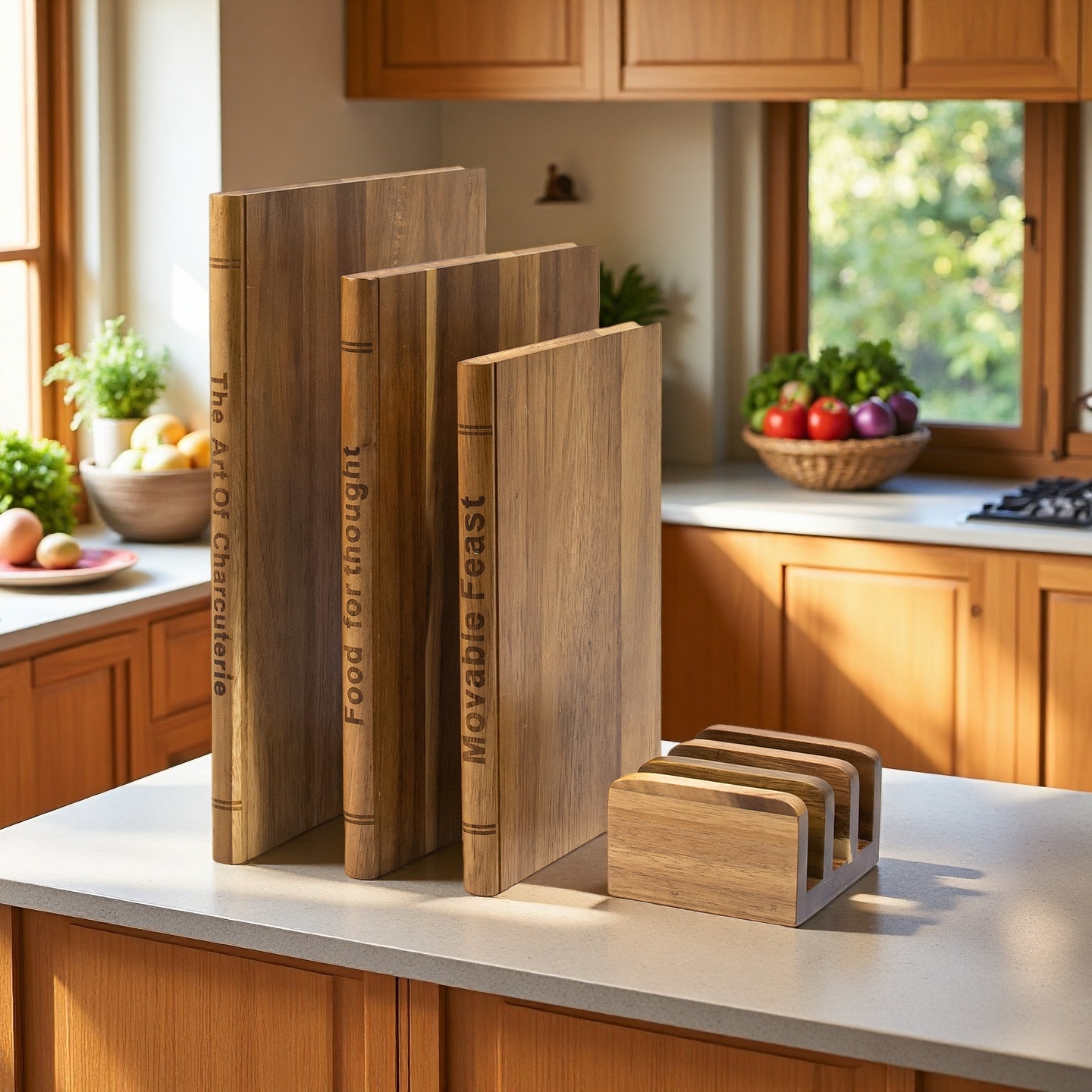
Tăblițele de tăiat din lemn de acacie aduc ceva special pe masa din bucătărie, combinând frumusețea naturii cu utilitatea practică în viața de zi cu zi. Lemele prezintă aceste nuclee uimitoare, cu spirale de maro-miel și dungi mai întunecate care străbat lemnul, creând o aspect cald, perfect potrivit pentru majoritatea bucătăriilor. Aceste tăblițe fac mult mai mult decât simpla tăiere a alimentelor. Având o duritate de aproximativ 2300 pe scara Janka, ele funcționează excelent ca tăblițe elegante pentru brânzeturile servite, protejează blatul bucătăriei de oalele fierbinți sau chiar pot fi folosite ca piese decorative de servire în timpul petrecerilor cu oaspeți. Tăblițele obișnuite din plastic tind să se zgârie ușor de la cuțite, dar lemnul de acacie ascunde, de fapt, destul de bine aceste urme în timp. Astfel, tăblița își păstrează aspectul estetic timp de ani de zile, în ciuda uzurii zilnice — ceea ce explică de ce atât de mulți oameni le consideră o achiziție valoroasă pentru dotarea bucătăriei lor.
Lux accesibil: Durabilitate, întreținere redusă și valoare pe termen lung
Comparație de costuri cu lemnurile dure premium — De ce acacia oferă mai mult pentru mai puțin
Lemnul de acacie rezistă la fel de bine ca și lemnurile dure luxoase, precum nucul și teakul, dar costă cu aproximativ 30–50% mai puțin. Majoritatea oamenilor știu că lemnurile exotice pot depăși ușor 120 USD pentru piese de dimensiune obișnuită în prezent. Ceea ce face acacia specială este rezistența sa zilnică în medii de bucătărie, fără să se îndoaie sau să se crăpe. Motivul acestei abordabilități? Acacia crește abundent în multe regiuni și nu este supusă acelorași prețuri determinate de raritate ca și lemnurile mai puțin răspândite. De aceea, mulți bucătari casnici care doresc un material robust, dar care nu vor cheltui o avere, aleg în cele din urmă acacia pentru tablourile lor de tăiat și pentru blatul bucătăriei.
Renovare rapidă și lanțuri de aprovizionare etic obținute
Pomii de acacie pot fi recoltați în aproximativ 7–10 ani, ceea ce înseamnă că cresc de circa trei ori mai repede decât arborii cu creștere lentă, cum ar fi stejarul. Deoarece se maturizează atât de rapid, acaciile contribuie la reducerea presiunii asupra pădurilor și se dovedesc foarte eficiente în metodele de agricultură regenerativă. Multe plantații certificate încep în prezent să urmărească operațiunile lor prin tehnologia blockchain. Această abordare este adoptată în principal pentru a demonstra că angajații sunt tratați corect și că livrările nu generează emisii excesive de dioxid de carbon. Astfel se răspunde preocupărilor majorității consumatorilor din zilele noastre. Conform unui studiu recent de cercetare de piață realizat în cadrul Indexului de Durabilitate pentru Produsele pentru Domiciliu 2025, aproximativ 74% dintre consumatori verifică în mod specific certificatele de durabilitate ambientală în momentul achiziționării articolelor pentru bucătărie.
Rutină simplă de întreținere: frecvența aplicării uleiului, cele mai bune practici de curățare și prelungirea duratei de viață
Îngrijirea unei tablă de tăiat din acacie nu necesită deloc mult efort. Este suficient să o ungeți o dată pe lună cu ulei mineral alimentar pentru a preveni uscarea ei și să curățați imediat orice varietate cu o soluție compusă dintr-o parte oțet și patru părți apă, care este foarte eficientă în eliminarea germenilor. Tablourile de tăiat din acacie rezistă mai bine stropirilor și vărsărilor accidentale decât multe alte lemnuri, care tind să se încovoaie atunci când se umezesc. Dacă respectați această rutină de bază de îngrijire, majoritatea persoanelor constată că tablourile lor rezistă mult peste opt ani, ceea ce depășește durata tipică de cinci ani observată la tablourile din bambus. Acest nivel de durabilitate face ca acacia să fie cu adevărat valoroasă pentru oricine dorește un produs care să reziste mulți ani de utilizare intensivă în bucătărie, fără a necesita înlocuire.
Întrebări frecvente
Ce face tablourile de tăiat din lemn de acacie mai durabile?
Tablourile de tăiat din lemn de acacie sunt semnificativ mai durabile datorită ratingului ridicat de duritate Janka, ceea ce înseamnă că rezistă mai bine la zgârieturi și loviturile care pot provoca depresiuni decât alte lemnuri, cum ar fi bambusul sau pinul.
De ce este lemnul de acacie mai bun în rezistența la umiditate?
Lemnul de acacie are o structură cu pori închiși care împiedică pătrunderea umidității, determinând o absorbție redusă a apei și reducând riscul de dezvoltare a bacteriilor sub suprafață.
Ajută lemnul de acacie la menținerea ascuțimii cuțitelor?
Da, duritatea optimă a lemnului de acacie oferă o suprafață blândă pentru tăișurile cuțitelor, menținând astfel ascuțimea pe termen lung și prelungind intervalele dintre ascuțiri.
Ce calități estetice are lemnul de acacie?
Lemnul de acacie are un aspect clasic, cu nuanțe de maro-miel și dungi întunecate distribuite uniform, adaptându-se bine diferitelor stiluri de bucătărie și putând fi folosit și ca piese atrăgătoare pentru servire.
Este lemnul de acacie prietenos cu mediul înconjurător?
Da, arborii de acacie se maturizează rapid și pot fi recoltați în mod durabil, sprijinind lanțuri de aprovizionare etice și emisii reduse de carbon.