 EN
EN

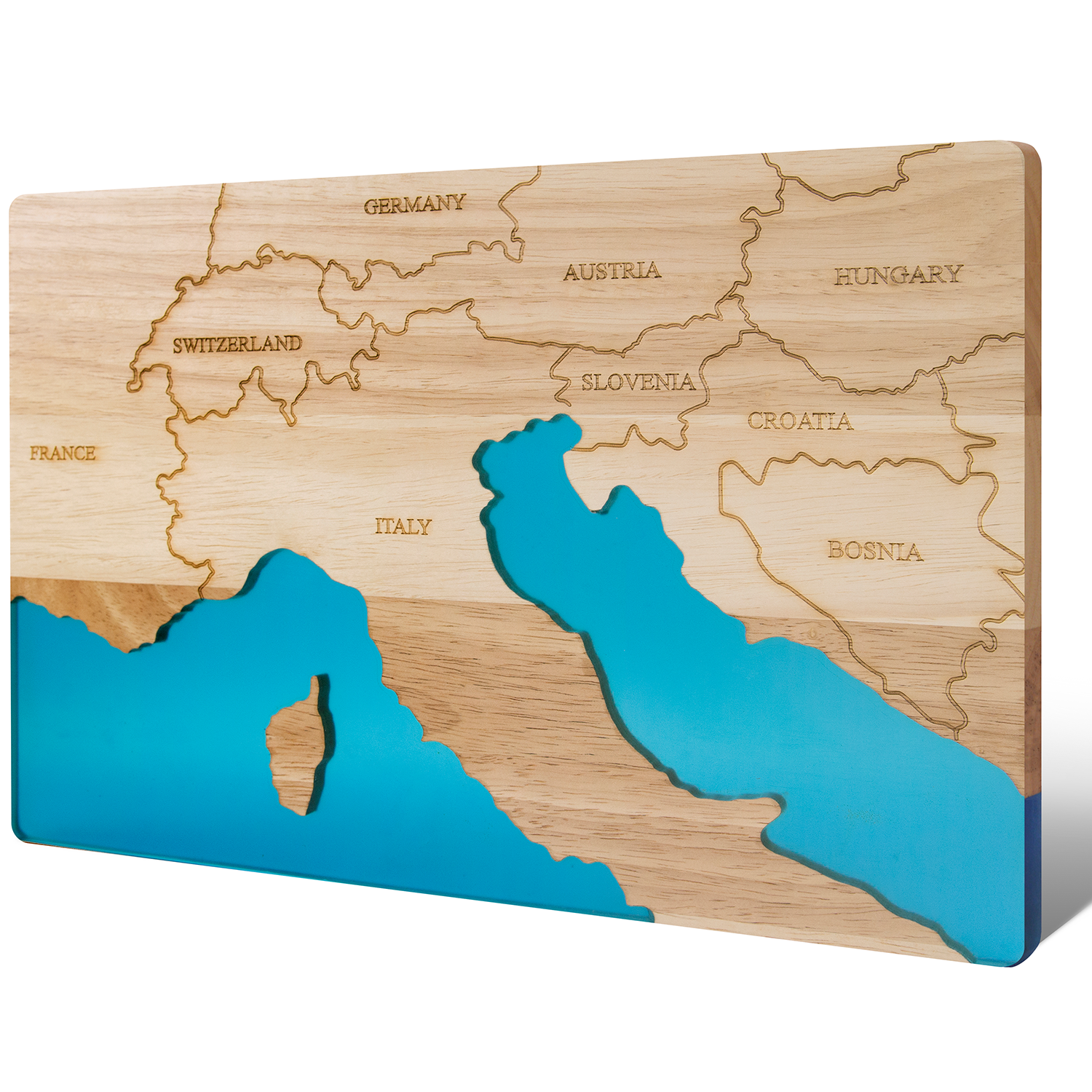
From Kitchen Tool to Functional Art: The Evolution of the Custom Chopping Board
Cutting boards started out as pretty basic tools back in Neolithic times but now they're right at the heart of modern kitchens. Back then people just used whatever was handy stone slabs or even old tree stumps basically anything that could chop stuff without getting damaged. These days though custom chopping boards do so much more than just cut food. They actually combine practicality with real artistry making meal prep something people actually enjoy looking at. Craftsmen these days take plain wood and turn it into something almost museum quality using things like computer controlled carvings and colorful resin inserts. But despite all this fancy work they still make sure the boards have those important practical bits too like channels for juices and comfortable handles that stop them sliding around when someone gets busy with their knife.
The shift toward multifunctional designs reflects evolving kitchen demands:
- Designer collaborations yield collectible pieces that double as charcuterie displays
- Sustainable reclaimed wood meets eco-conscious consumers’ zero-waste values
- Smart integration—such as embedded scales or timers—serves tech-forward home chefs
- Biodegradable materials respond to growing demand for environmentally responsible kitchenware
We're seeing something interesting happen with custom designs that connect what we actually need in our kitchens with what looks good on display. What used to be just a plain old cutting board has become something else entirely these days. People want them for real work but also love showing them off at dinner parties. Crafted boards really do fit modern living spaces better than ever before. The whole food scene is changing too, with folks getting more into cooking experiences rather than just quick meals. That's why custom chopping boards make so much sense right now they bring together old school methods with new ideas about how we cook and eat today.
Hardwood Selection as Artistic Language: Grain, Contrast, and Narrative in Custom Chopping Board Design
How Maple, Walnut, and Cherry Serve Dual Roles—Durability Meets Visual Storytelling
Different types of hardwood turn ordinary kitchen tools into something special. Maple has those tight, light grains that don't show knife marks much, making it great for people who want simple, clean looks in their modern kitchens. Walnut brings deep brown colors and just the right hardness so it can take knocks without breaking apart. The way the grain twists around makes walnut cutting boards look almost artistic. Cherry wood starts off with nice warm tones that get even richer as time goes on. Plus there's something interesting about cherry wood too — studies from Wood Science Journal back in 2023 showed it actually helps keep food safer because of natural bacteria fighting qualities. When choosing between these woods, most folks find they work well both practically and visually speaking.
- Maple: 1,450 Janka hardness; light background enhances ingredient contrast
- Walnut: 1,010 Janka hardness; dark tones mask stains and emphasize grain
- Cherry: 950 Janka hardness; develops a luminous patina through regular use
This synergy allows craftsmen to engineer boards where safety standards coexist with gallery-worthy visuals.
Natural Imperfections as Intentional Elements: Knots, Spalting, and Mineral Streaks in Composition
Today's woodworkers see what most would call flaws in timber as opportunities for storytelling. Those knot clusters? They transform into something like mountain ranges once we stabilize them using food safe epoxy. And then there's spalting those beautiful black lines created naturally by harmless fungi growing inside the tree. No machine can match this kind of organic pattern making. When trees absorb minerals from the soil while growing, they leave behind streaks that show up as stunning metallic blues or rusty reds after proper orientation and finishing techniques. What many dismiss as weak spots actually become what makes each piece unique and special in the hands of skilled craftsmen.
| Imperfection | Visual Impact | Functional Treatment |
|---|---|---|
| Knots | Rustic focal points | Epoxy stabilization |
| Spalting | Gothic veining | Kiln-dried to 8% moisture content |
| Mineral streaks | Metallic accents | Oil-enhanced highlighting |
By celebrating nature's irregularities, craftsmen ensure no two custom chopping boards tell the same story.
Contemporary Techniques Elevating the Custom Chopping Board Beyond Utility
Laser Engraving and CNC Precision for Food-Safe Artistic Detail
Laser engraving along with CNC routing lets folks get really creative with their woodwork while staying completely free of chemicals. The laser basically burns detailed designs like family crests, wild plant drawings, or fancy geometric stuff right into solid wood. Afterward, these engraved pieces can be sealed nicely with regular food safe mineral oil. Meanwhile, those CNC routers work at super fine levels of detail when creating things like textured surfaces, little recesses for serving food, or special shaped edges on wooden boards. What makes all this so cool is how it turns everyday cutting boards into something almost worth passing down through generations, yet still maintains all the necessary cleanliness standards and lasts forever too.
Carve-and-Fill Inlays: Resin, Metal, and Contrasting Wood as Narrative Layers
Artisans carve channels into hardwood boards and fill them with storytelling materials:
- Epoxy resin, tinted in earthy or vibrant hues, mimics rivers, coastlines, or abstract flows
- Brass or copper inlays trace cultural symbols or personal iconography with lasting luster
- Contrasting woods, such as pale maple in dark walnut, form intentional geometric or organic narratives
All inlays are applied using food-safe, FDA-compliant materials and finished to withstand daily knife work. A walnut board with turquoise resin might evoke regional waterways; a cherry board with brass constellations could reflect a family's heritage. Each layer deepens meaning—elevating meal preparation into cultural expression.
Ethical Craftsmanship: Sustainable Sourcing and Food-Safe Finishes in Modern Custom Chopping Board Production
Today's custom chopping board creators really focus on making things the right way by carefully choosing materials and using processes that won't harm anyone. When it comes to getting wood for these boards, most start with FSC certified hardwoods such as maple or walnut because they know forests need time to regrow after being cut down. A lot of woodworkers actually work hand in hand with nearby sawmills this helps cut down on how far the wood has to travel and also lets them check if workers are treated fairly at those mills. According to some recent numbers from 2023, around three out of four artisans now keep tabs on where their wood comes from using digital tools something that's grown quite a bit since just a few years back when only about half did this kind of tracking.
When it comes to keeping food safe, what happens after choosing the right wood matters just as much. Mineral oil and beeswax are still considered top choices because they don't react with food and meet FDA standards for touching food indirectly. Many good workshops skip using resins in their joints altogether. Instead, they go for mechanical fasteners or traditional hide glues that won't let chemicals seep out when exposed to acidic foods like tomatoes or citrus. The way wood is cut makes a big difference too. End grain surfaces actually work against bacteria naturally since the wood's tiny channels help wick away moisture better than regular face grain cuts or even plastic surfaces commonly used in cutting boards these days.
Ethical production also embraces longevity. Boards designed for repair—not replacement—significantly reduce waste. When properly maintained, hardwood boards serve reliably for decades, outperforming plastic alternatives that degrade into microplastics. This lifecycle approach transforms functional kitchen tools into legacy pieces—honoring both craftsmanship and ecological responsibility.
FAQ
What are the benefits of using a custom chopping board?
Custom chopping boards offer durability, aesthetic appeal, and multifunctionality. They integrate practical features like juice channels while showcasing artistic craftsmanship through unique design elements.
How do different types of wood affect the quality of custom chopping boards?
The choice of wood impacts both durability and visual storytelling. Maple provides a clean look, walnut offers rich tones, and cherry adds a warm patina while potentially enhancing food safety.
Are the materials used in custom chopping boards environmentally friendly?
Yes, many artisans use sustainably sourced woods and food-safe materials to ensure ecological responsibility and minimal environmental impact.
How can custom chopping boards improve kitchen functionality?
Custom chopping boards enhance kitchen functionality by incorporating smart features like embedded scales or timers, making them a versatile addition to modern kitchens.
Table of Contents
- From Kitchen Tool to Functional Art: The Evolution of the Custom Chopping Board
- Hardwood Selection as Artistic Language: Grain, Contrast, and Narrative in Custom Chopping Board Design
- Contemporary Techniques Elevating the Custom Chopping Board Beyond Utility
- Ethical Craftsmanship: Sustainable Sourcing and Food-Safe Finishes in Modern Custom Chopping Board Production
- FAQ