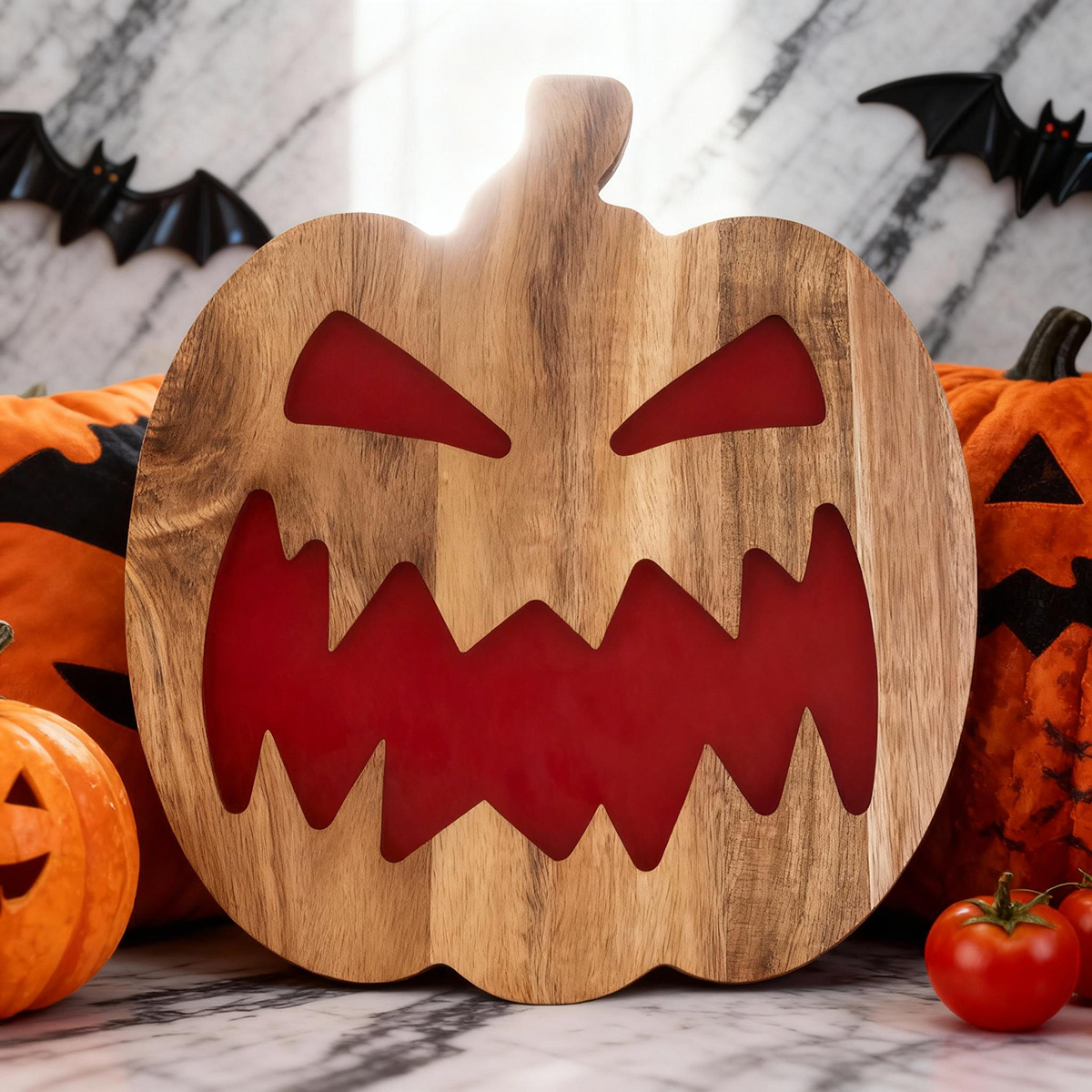
Understanding Food-Safe Requirements for Resin Wood Boards A resin wood board — where wood fibers or veneers are bonded with synthetic resin under heat and pressure — produces a dense, dimensionally stable surface ideal for cutting, cho...
VIEW MORE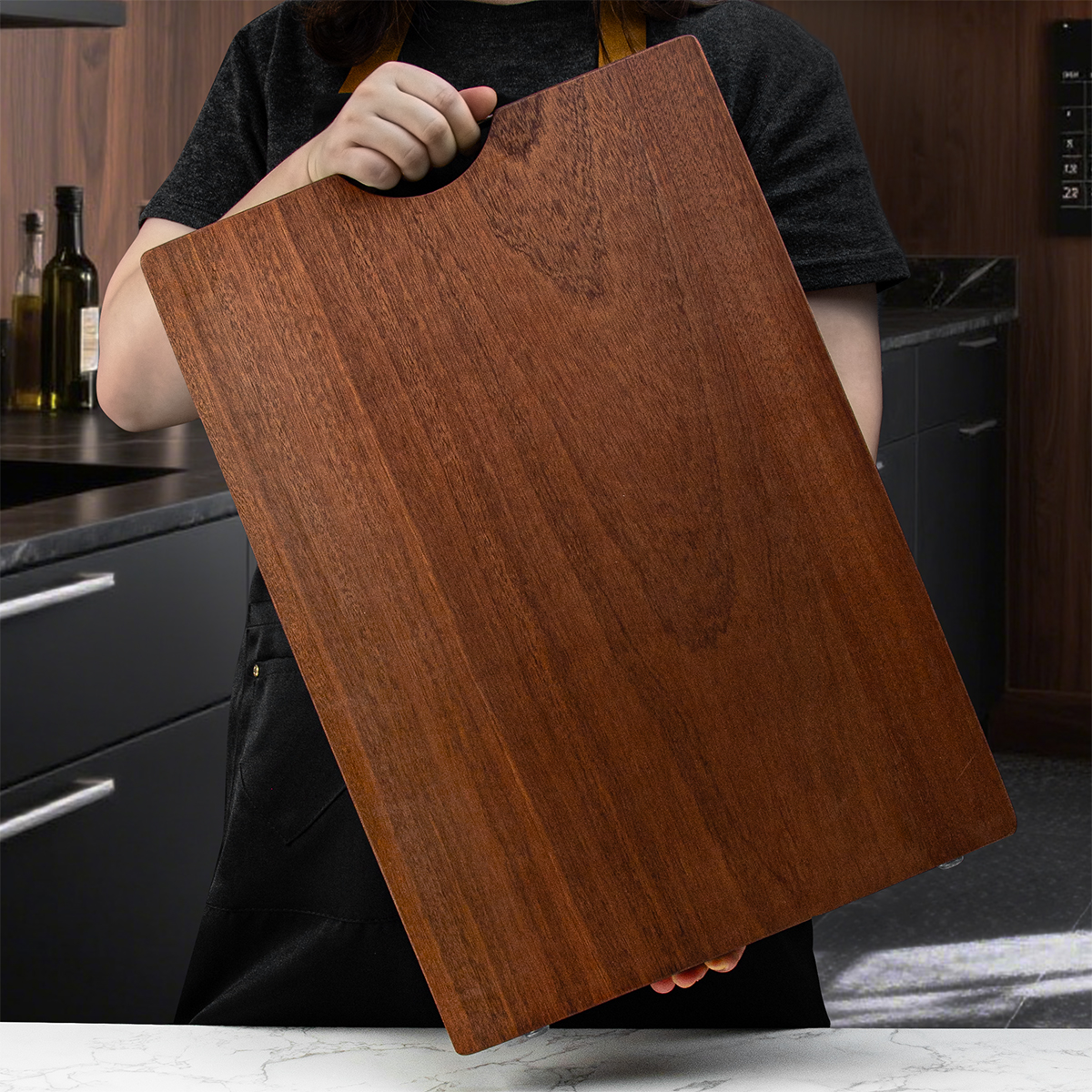
What Supply Chain Reliability Means for Cutting Board Buyers A wholesale cutting board order arriving three weeks late with 8% end-grain cracks and FSC documentation that does not match the shipment costs far more than a higher unit price...
VIEW MORE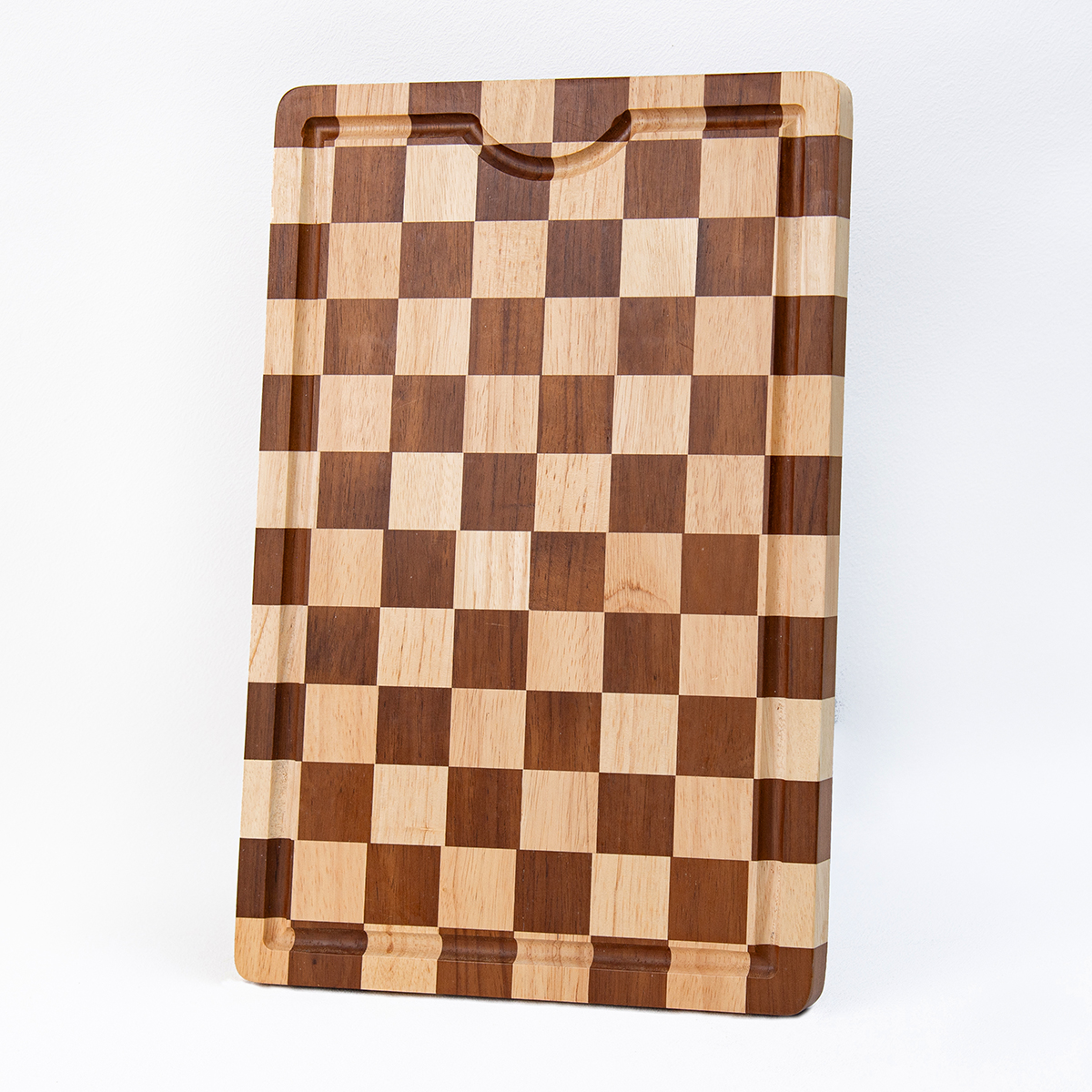
Why Surface Finishes Define the Lifespan of Commercial Wood Products The Hidden Cost of Ignoring Finish Quality A procurement manager for a mid-sized restaurant group places an order for 300 serving trays. The supplier's sample looked attractive &m...
VIEW MORE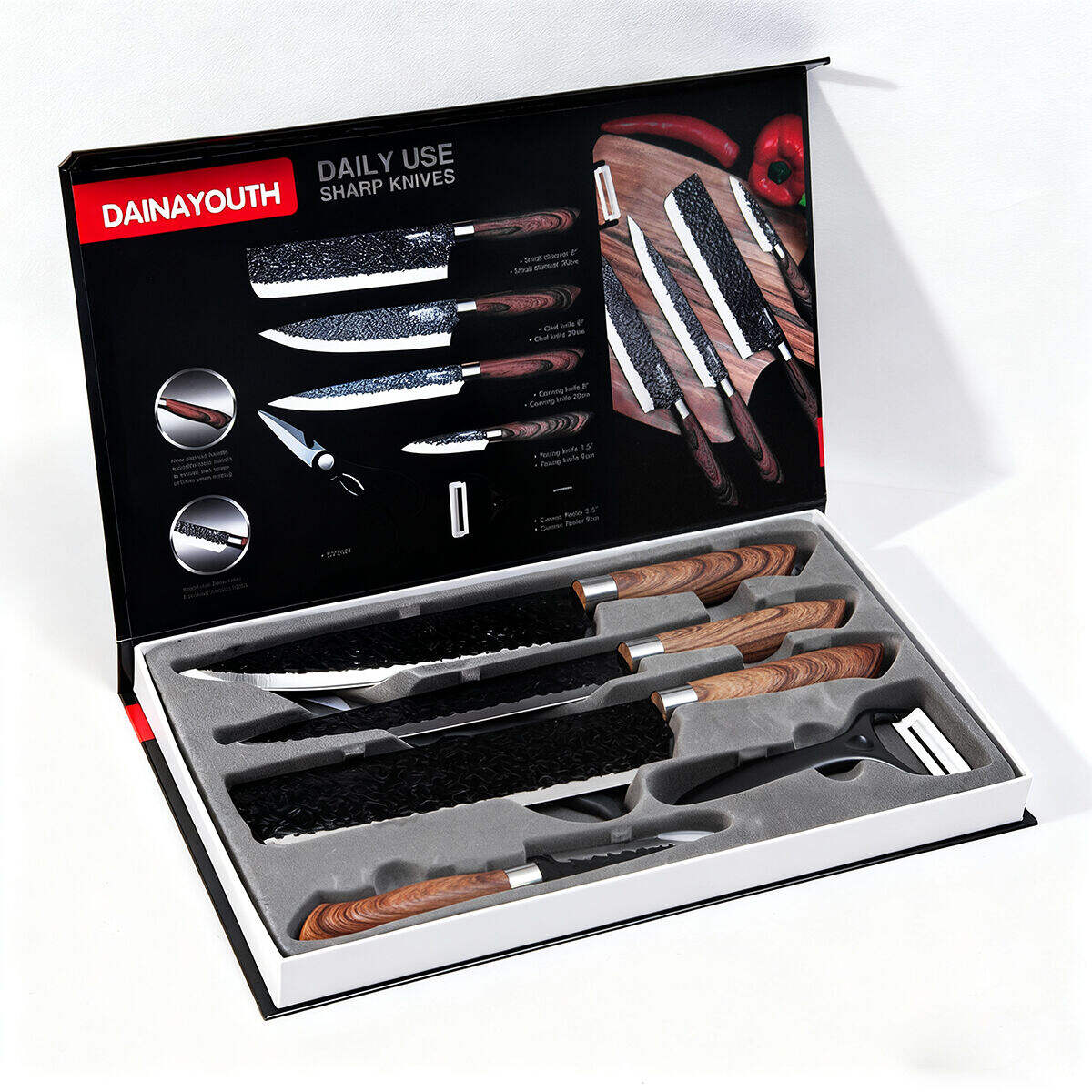
Addressing Workplace Safety and Efficiency Challenges in Commercial Food Preparation Common Operational Vulnerabilities of Traditional Countertop Storage for a Commercial Knife Holder Maintaining an organized prep station in a high-velocity culinar...
VIEW MORE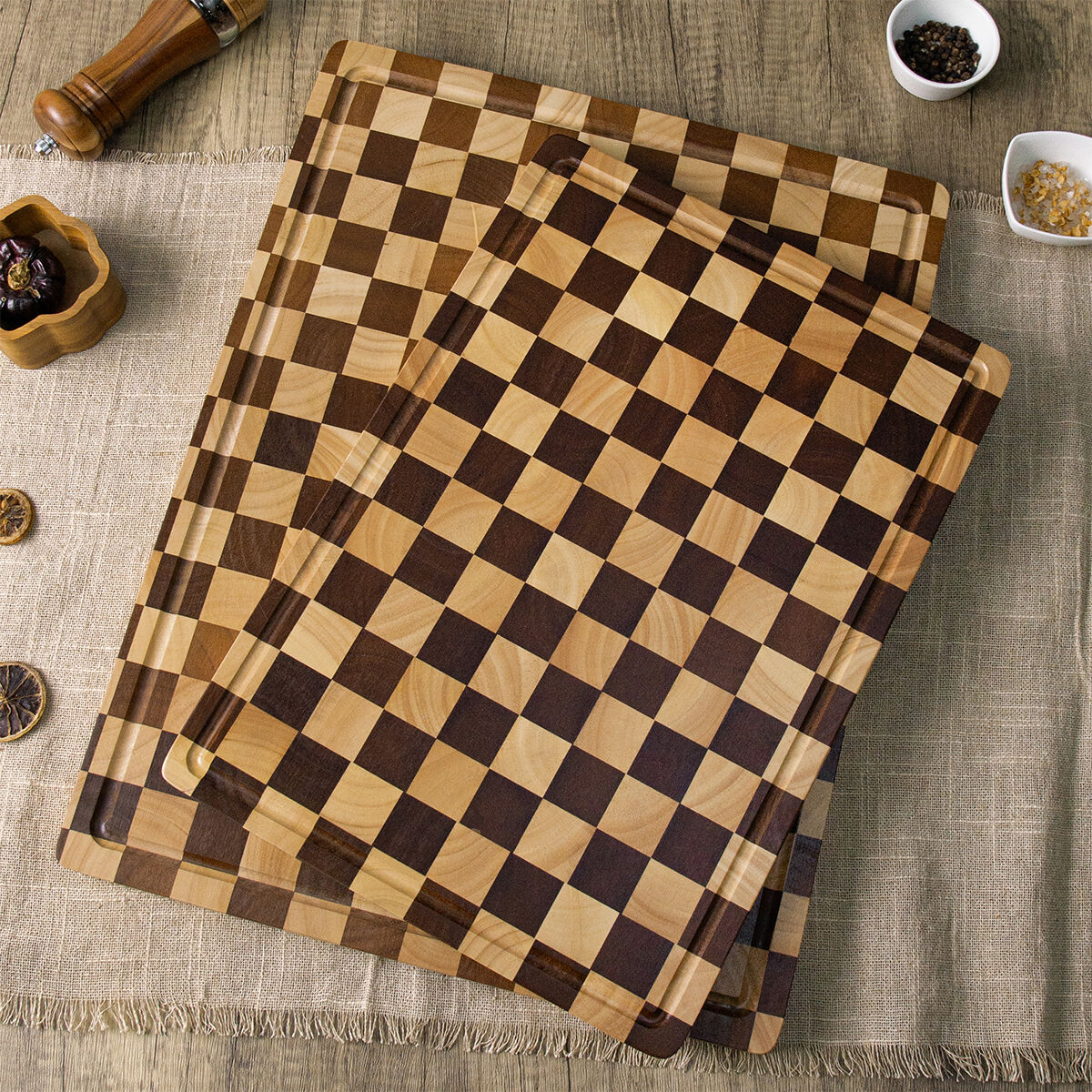
The Culinary Standard: Why Professionals Prioritize End Grain In the fast-paced, high-pressure environment of a professional kitchen, every single tool choice is a calculated, strategic decision. Beyond mere aesthetics or initial cost, the equipment ...
VIEW MORE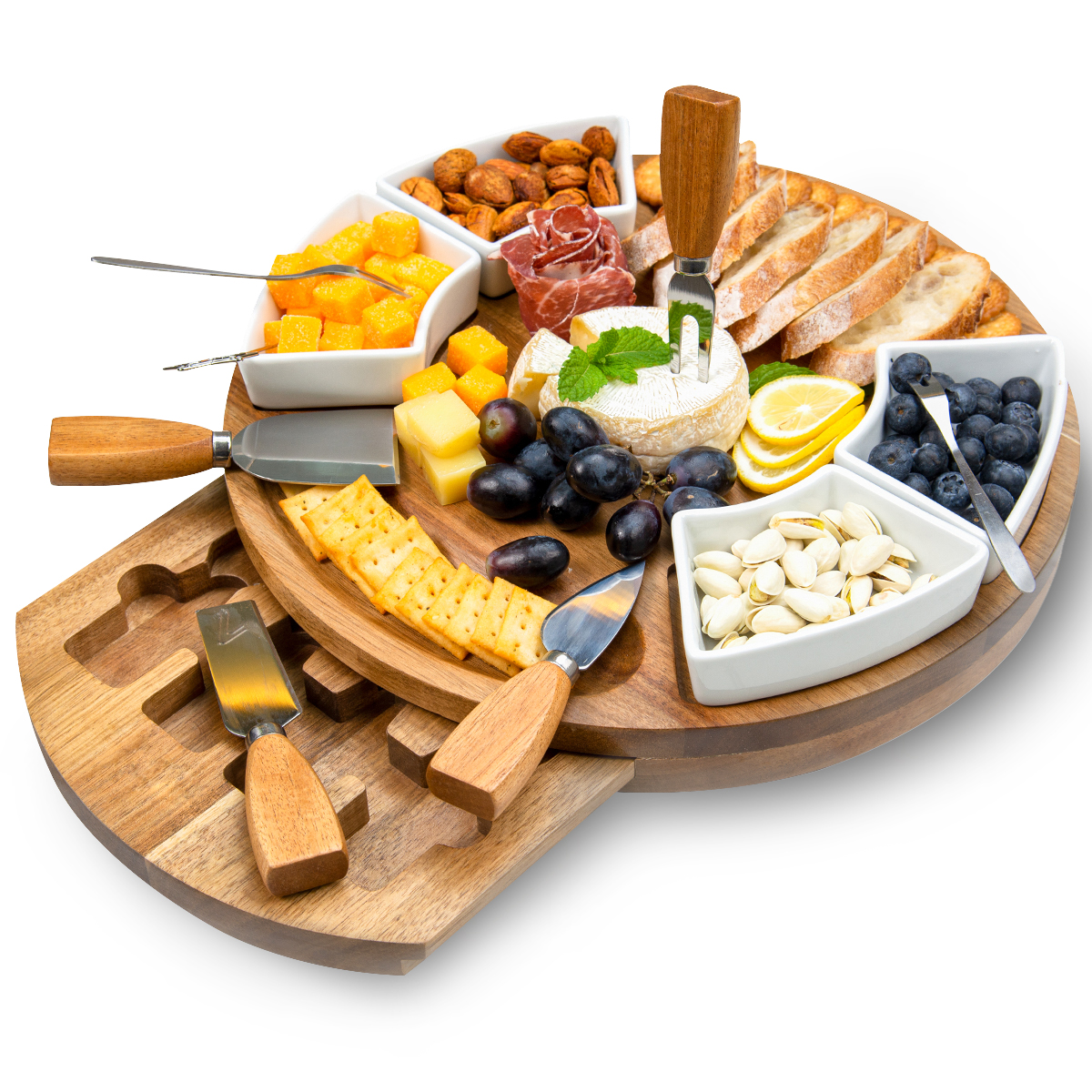
The Sensory and Strategic Impact of Wood Charcuterie BoardsHow natural grain, warmth, and tactile contrast elevate perception of luxuryA wood charcuterie board is more than a serving platter—it’s a deliberate sensory tool. Research shows that touchin...
VIEW MORE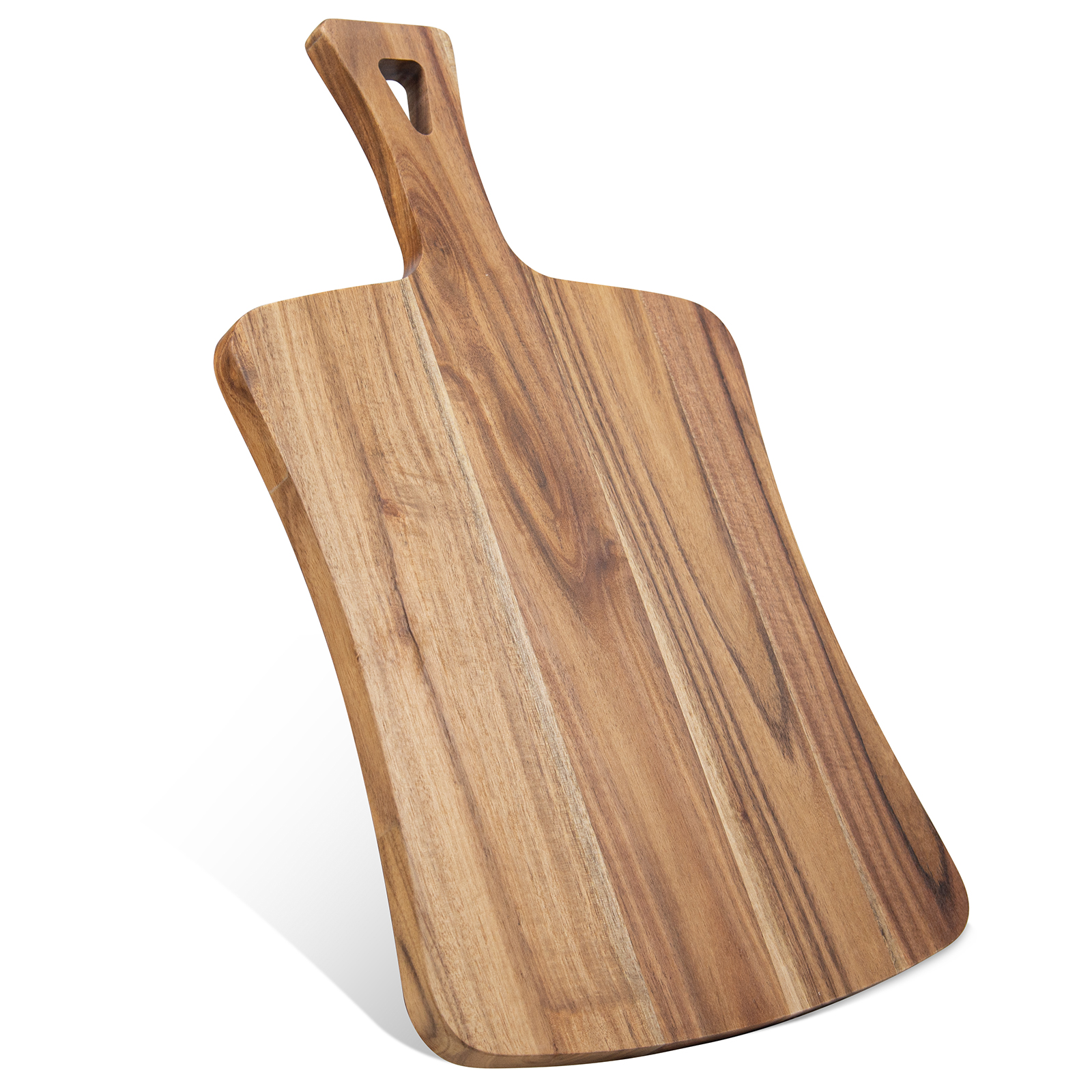
Root Causes of Warping and Cracking in Wood Cutting BoardsMoisture Imbalance: The Primary Driver of Dimensional InstabilityWood cutting boards warp and crack primarily due to uneven moisture absorption and release. As hygroscopic materials, wood fibe...
VIEW MORE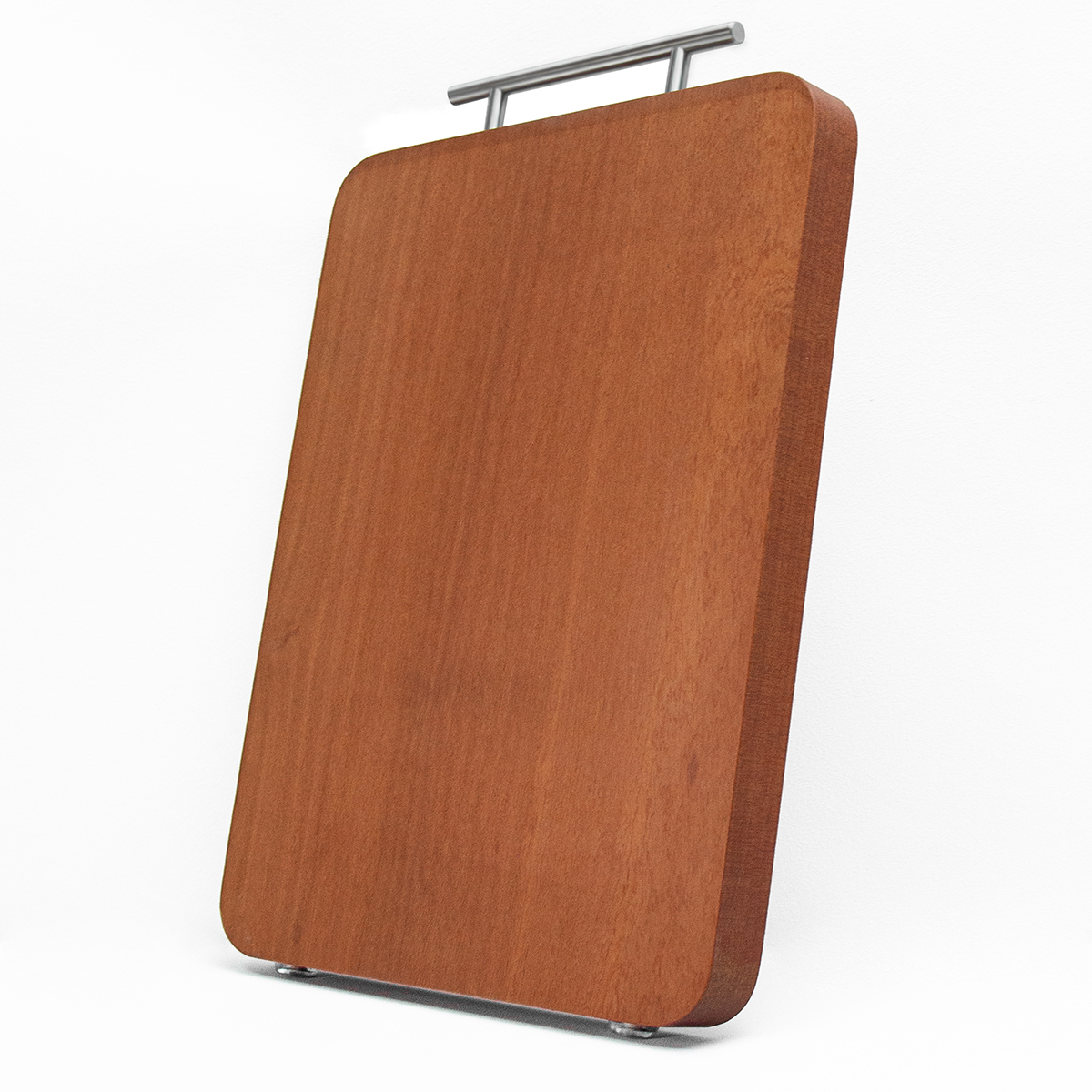
Wood Species Selection for Durability and Food SafetyJanka Hardness and Knife-Friendliness: Balancing Edge Retention and Board LongevityThe Janka hardness scale measures a wood’s resistance to denting and wear. For a custom chopping board, a rating b...
VIEW MORE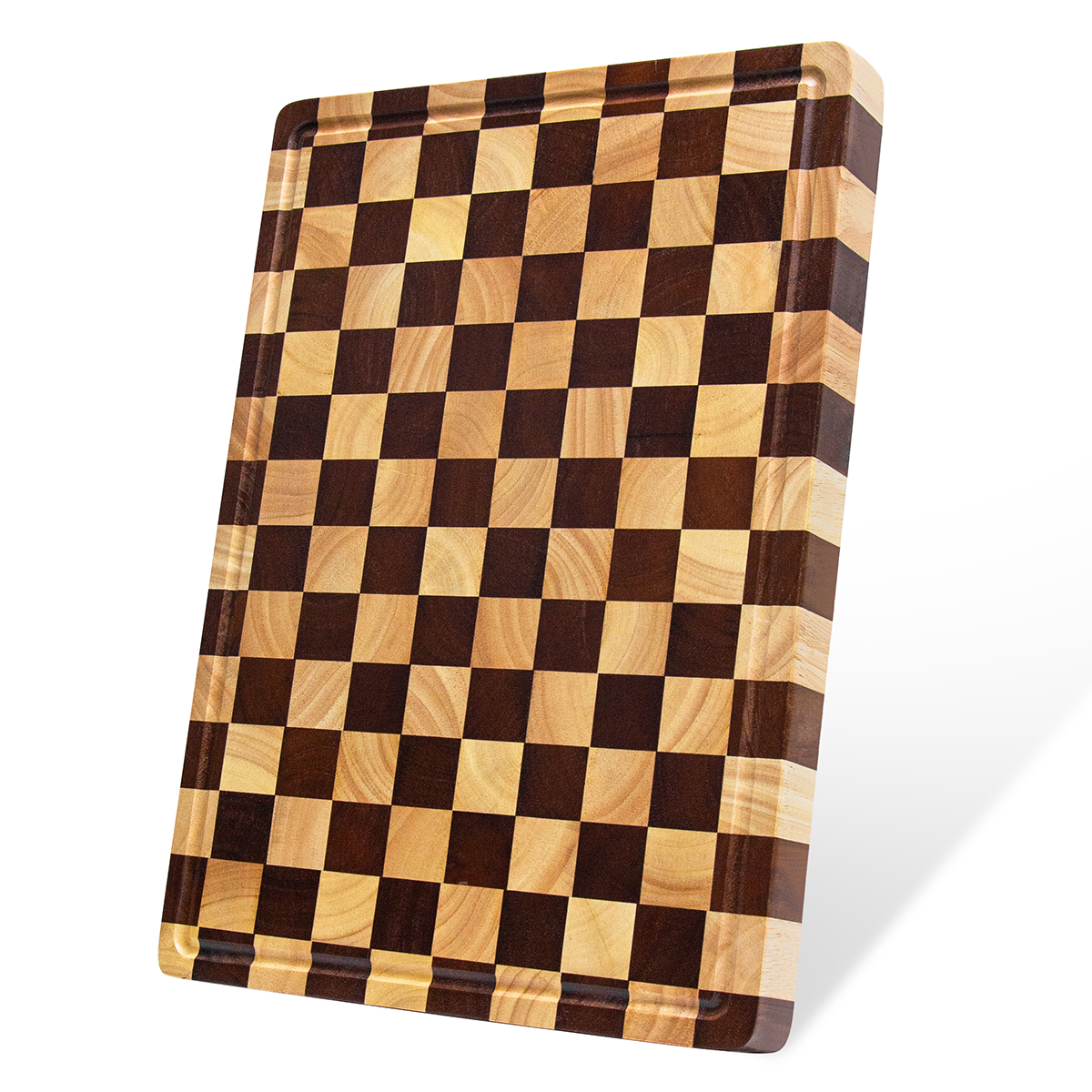
Durability and Knife-Friendliness: The Ideal Balance for Daily Chef UseA walnut cutting board excels in professional kitchens due to its optimal balance between durability and knife protection. Its unique properties allow chefs to maintain sharp blad...
VIEW MORE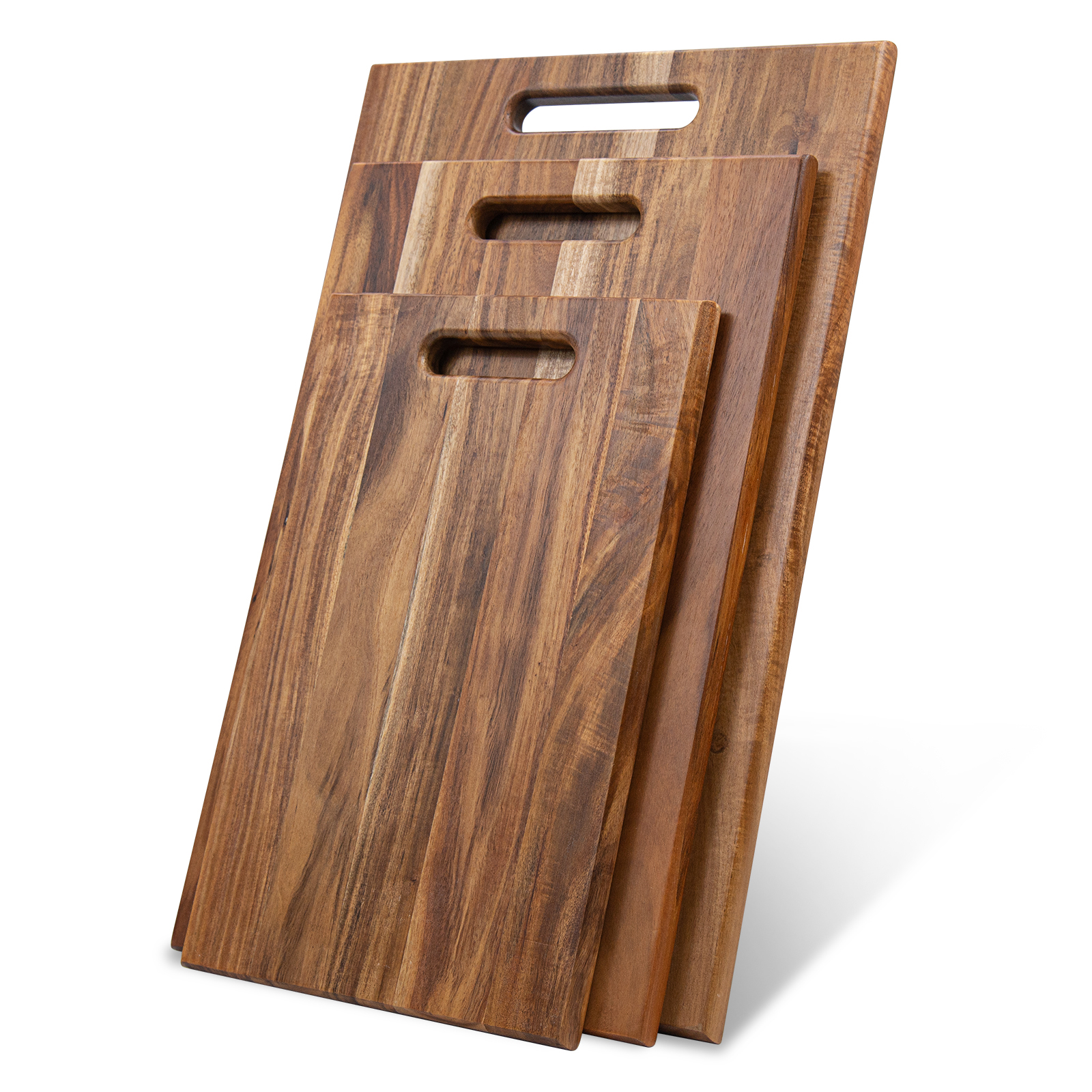
Superior Durability and Scratch Resistance for High-Volume UseJanka Hardness Benchmark: Acacia vs. Maple, Walnut, and BambooAcacia wood cutting boards excel in high-traffic kitchens thanks to their exceptional hardness—measured at over 1700 lbf on th...
VIEW MORE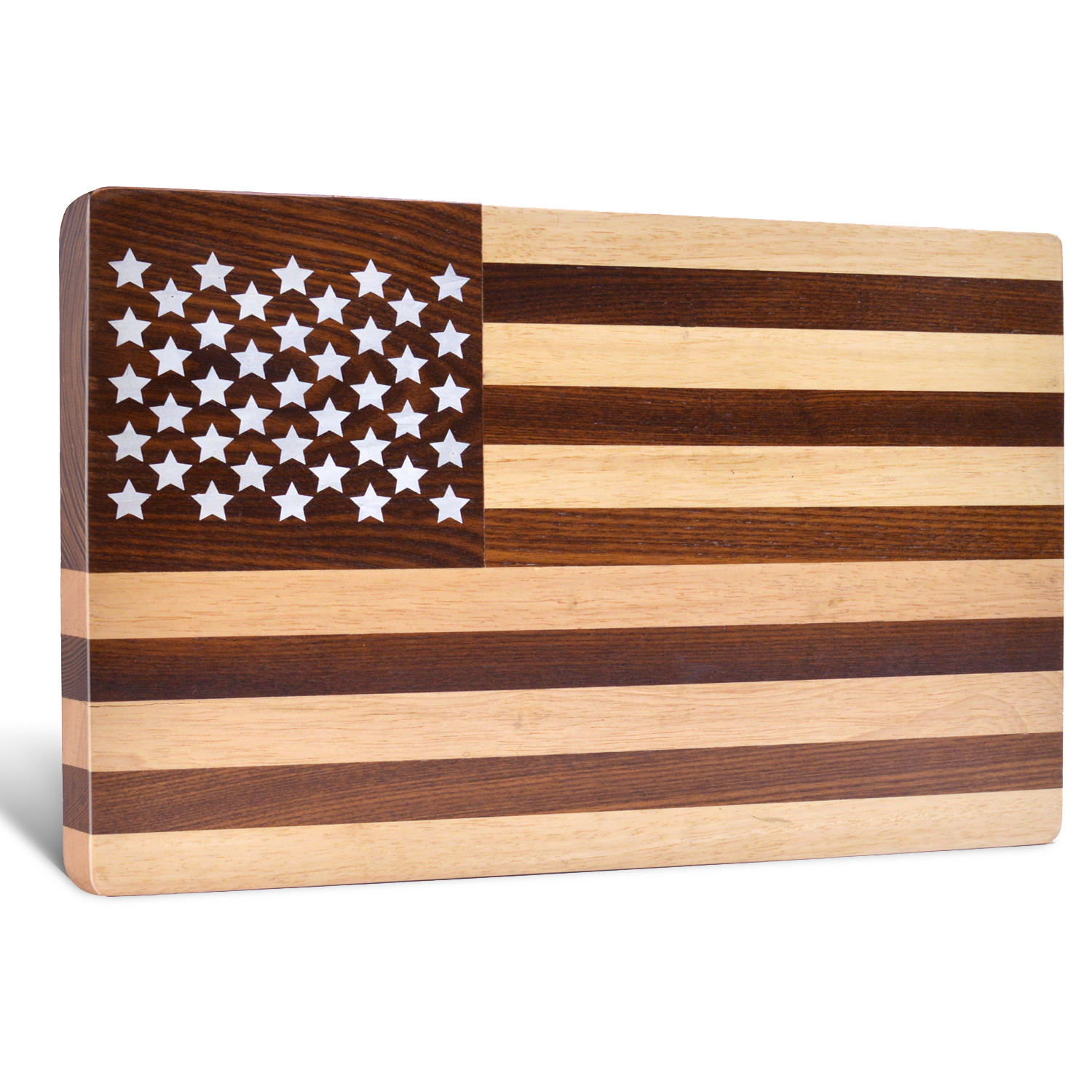
How the Janka Hardness Scale Guides Smart Wood Cutting Boards Selection What the Janka Test Measures–and Why It Predicts Real-World Performance Better Than Density or Grain Alone The Janka Hardness Scale tells us how resistant different woods are to...
VIEW MORE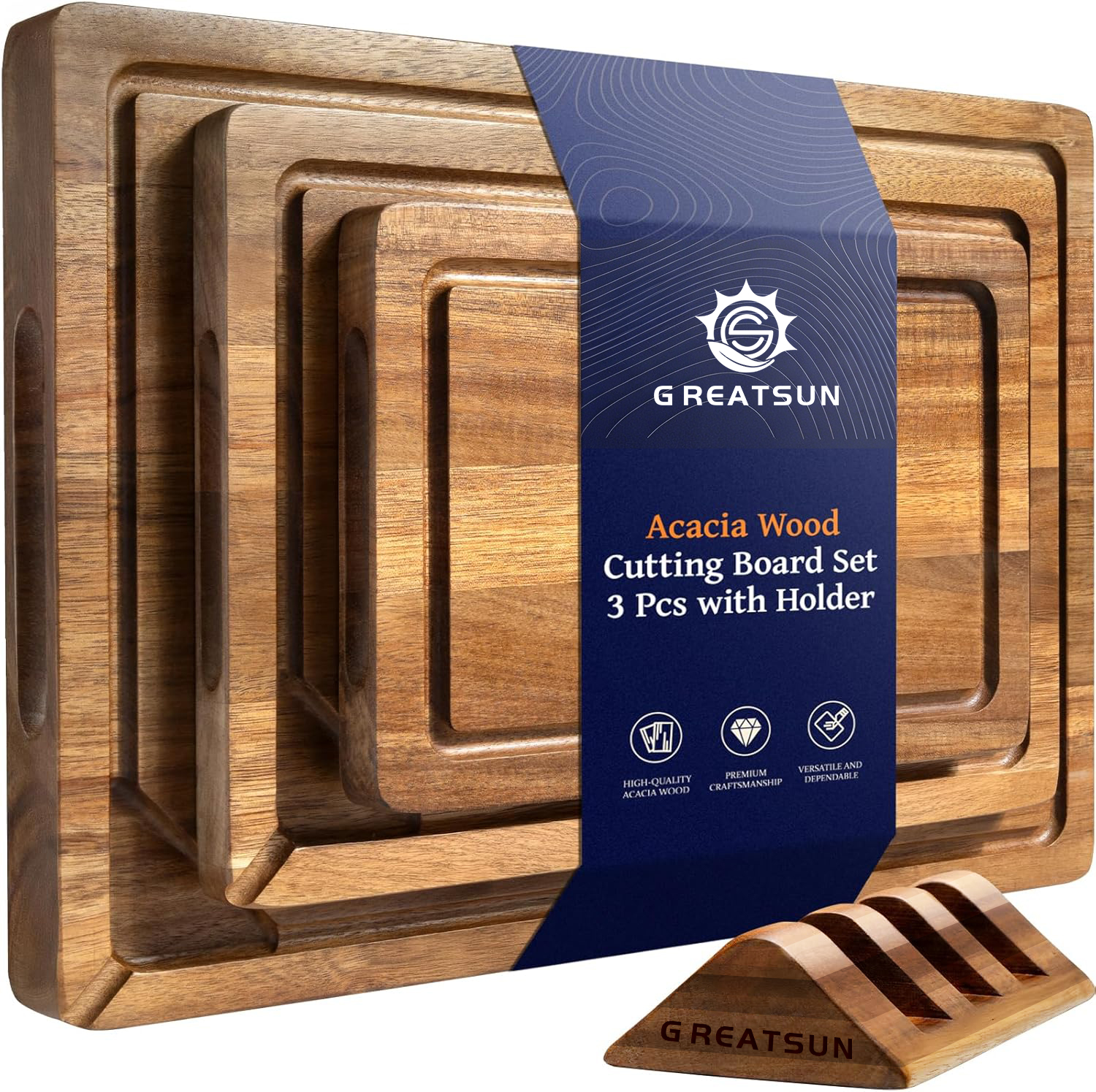
Why Wood Cutting Boards Require Natural Sanitizing MethodsThe Porous Structure of Wood and Its Unique Microbial RisksThe way wood is built at the cellular level means it has tiny channels throughout that soak up moisture and leftover bits of food. Th...
VIEW MORE EN
EN